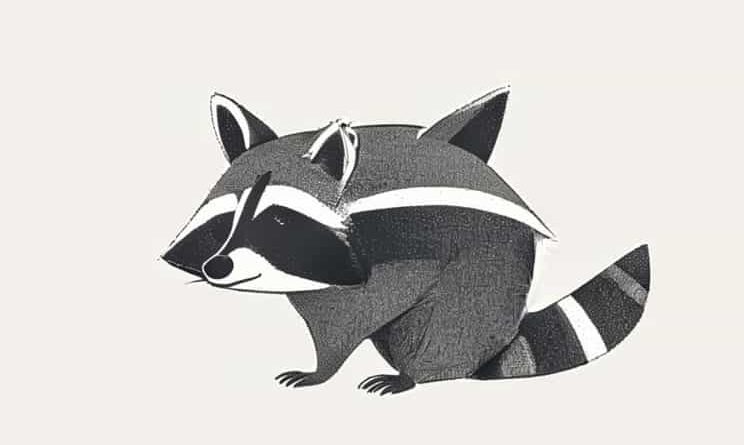
A Drawing Of A Raccoon
Creating a drawing of a raccoon is a popular artistic exercise for both beginners and experienced artists. Raccoons are known for their distinctive facial masks, bushy tails, and curious expressions, making them an engaging subject for sketches, illustrations, and digital art. A drawing of a raccoon can capture the playful and mischievous nature of this animal, while also helping artists develop skills in shading, texture, and anatomy. From realistic renderings to stylized interpretations, the process of drawing a raccoon offers numerous creative opportunities.
Understanding Raccoon Anatomy
Before beginning a drawing of a raccoon, it is important to understand the animal’s anatomy and proportions. Raccoons have a compact, stocky body with strong limbs that allow them to climb and forage efficiently. Their heads are rounded with prominent eyes and ears, and their black mask around the eyes is a signature feature that should be accurately captured in a drawing. The tail is bushy with alternating dark and light rings, adding both character and balance to the illustration.
Key Features to Capture
- Facial MaskThe dark markings around the eyes give the raccoon its iconic look and personality.
- PawsRaccoons have dexterous front paws that resemble human hands, ideal for showing interaction with objects or food in a drawing.
- TailThe striped, bushy tail is essential for completing the raccoon’s silhouette and adding visual interest.
- Body ProportionsCorrectly representing the body size, head-to-body ratio, and limb length enhances realism in the drawing.
Choosing Your Drawing Medium
When creating a drawing of a raccoon, artists have multiple mediums to choose from, each offering unique effects. Pencil sketches allow for fine detail, shading, and texture, ideal for capturing fur and facial features. Ink can provide bold outlines and high contrast, perfect for stylized or comic-style drawings. Watercolors or digital painting can add color and depth, bringing the raccoon to life in a more expressive manner. The choice of medium depends on the artist’s style, skill level, and the intended final effect.
Techniques for Realistic Drawings
For a realistic raccoon drawing, consider the following techniques
- ShadingUse light and shadow to define the raccoon’s rounded body, facial mask, and fur texture.
- Fur TextureShort, overlapping strokes can simulate the soft, dense fur of a raccoon.
- Detailing the EyesHighlighting the eyes creates a lifelike and engaging expression.
- LayeringGradually build up layers of tone or color to achieve depth and realism.
Creating a Stylized Raccoon Drawing
Artists may also choose to create a stylized drawing of a raccoon, emphasizing playful, cartoonish, or exaggerated features. In a stylized drawing, the raccoon’s large eyes, expressive face, and fluffy tail can be enhanced to convey personality and emotion. Simplified shapes and clean lines make the drawing visually appealing and suitable for animation, illustration, or children’s books. Stylized drawings allow more freedom with color and proportions, encouraging creative expression while maintaining recognizable raccoon traits.
Composition and Scene
A drawing of a raccoon can be presented in isolation or as part of a scene. Placing the raccoon in a natural environment, such as a forest, park, or urban backyard, adds context and storytelling elements to the artwork. Consider interactions with objects like trash cans, fruits, or small animals, which reflect the raccoon’s curious behavior. Background elements, such as trees, rocks, or foliage, can frame the subject and enhance the overall composition.
Step-by-Step Drawing Process
To create a drawing of a raccoon, follow these general steps
- Step 1 Outline the Basic ShapesStart with simple geometric shapes for the head, body, and limbs to establish proportions.
- Step 2 Add Facial FeaturesSketch the eyes, nose, ears, and iconic mask.
- Step 3 Draw the Limbs and PawsPosition the legs and paws naturally, paying attention to dexterity and balance.
- Step 4 Sketch the TailAdd the bushy, striped tail, ensuring correct curvature and proportion.
- Step 5 Refine DetailsAdd fur texture, shading, and small features like whiskers or claws.
- Step 6 Final TouchesReview the drawing, enhance contrast, and clean up any unnecessary lines.
Educational and Creative Benefits
Drawing a raccoon offers more than just artistic satisfaction. It helps improve observation skills, hand-eye coordination, and an understanding of animal anatomy. Artists learn to translate three-dimensional forms into two-dimensional representations, honing their technical abilities. For younger artists or students, drawing a raccoon can also be an engaging way to learn about wildlife, habitats, and the behavior of animals in their natural surroundings.
Inspiration from Nature
Observing raccoons in the wild or through photographs provides valuable reference material for drawings. Attention to details such as fur patterns, posture, and facial expressions ensures a more accurate and lifelike representation. Even studying animated or stylized depictions of raccoons can inspire unique artistic interpretations, blending realism with creative vision.
A drawing of a raccoon is a versatile artistic endeavor that can range from realistic renderings to imaginative, stylized interpretations. By focusing on the animal’s distinct features, including its facial mask, bushy tail, and dexterous paws, artists can create drawings that capture the raccoon’s playful personality and charm. Whether for educational purposes, creative expression, or personal enjoyment, drawing raccoons allows artists to explore techniques, develop skills, and appreciate the beauty of wildlife. With careful observation, attention to detail, and a touch of creativity, a raccoon drawing can become a captivating piece of art that resonates with viewers and showcases the artist’s talent.