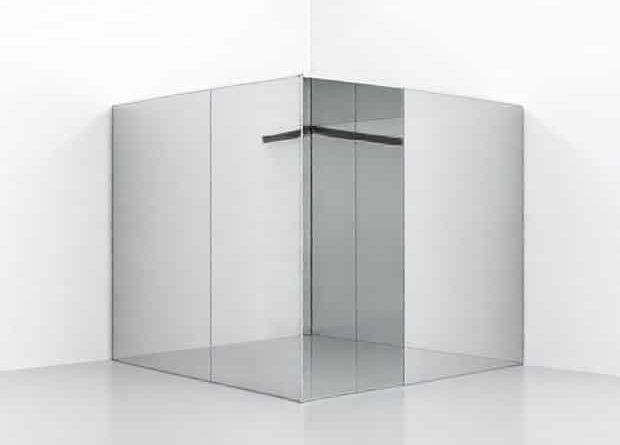
A Room Cubical Is Made Of Mirrors
Imagine stepping into a room where every surface reflects light, creating a dizzying and mesmerizing effect that seems to extend infinitely in all directions. A room cubical made of mirrors transforms a simple enclosed space into an extraordinary visual experience, where perception is challenged and reflections create illusions of endless depth. These mirrored cubes are more than just artistic curiosities they are fascinating demonstrations of physics, geometry, and human perception, captivating visitors with their ability to alter reality through reflection.
Understanding the Concept of a Mirror Cubical Room
A mirror cubical room is essentially a cube-shaped space where the walls, ceiling, and floor are covered with reflective surfaces. The fundamental idea is to create an environment where light bounces between mirrored surfaces, producing multiple reflections that seem to extend the space infinitely. This type of room is commonly used in art installations, science exhibits, and interactive experiences designed to engage and intrigue participants.
1. The Geometry of the Cube
The cube is one of the most symmetrical geometric shapes, and when combined with mirrors, it provides the perfect setup for multiple reflections. Each wall of the cube reflects the opposite wall, the ceiling reflects the floor, and the corners multiply these reflections in complex patterns. The result is a visually striking environment that challenges our perception of space, depth, and scale.
2. Optical Illusions and Reflections
The primary fascination of a mirror cubical room comes from the optical illusions it creates. As light reflects from one surface to another, viewers see repeated images of themselves and the room, sometimes appearing to stretch infinitely. These illusions can be disorienting, leading to a unique experience where the ordinary rules of spatial perception no longer seem to apply. Visitors often feel as if they are stepping into an alternate reality where boundaries are blurred.
Applications and Uses
Mirror cubical rooms are not only visually captivating but also serve multiple purposes across different fields. They can be used in artistic, scientific, and recreational contexts, providing unique experiences and learning opportunities.
1. Art Installations
Artists frequently use mirrored rooms to explore themes of infinity, reflection, and self-perception. Notable examples include Yayoi Kusama’s Infinity Mirror Rooms, which immerse viewers in endless reflections of lights and shapes. These installations invite participants to experience a sense of wonder, introspection, and even humility as they confront the infinite repetition of their own image within the mirrored space.
2. Science and Education
In science museums and educational exhibits, mirror cubical rooms demonstrate principles of optics, reflection, and geometry. They allow students to visualize how light behaves when it encounters reflective surfaces, teaching concepts such as angles of incidence, reflection, and infinite regression. These rooms provide a hands-on way to explore scientific phenomena while engaging with the experience interactively.
3. Entertainment and Recreational Uses
Mirror rooms are also popular in recreational settings such as funhouses, escape rooms, and interactive exhibitions. The reflective surfaces add a challenge by confusing spatial orientation, making navigation tricky and adding an element of playful suspense. Participants enjoy testing their ability to move through the maze-like environment, often laughing at the unexpected reflections and illusions created.
Design and Construction Considerations
Building a mirror cubical room requires careful planning and precision to achieve the desired optical effects. Several factors must be considered, from material selection to lighting and structural integrity.
1. Materials and Mirror Quality
The choice of mirrors is critical. High-quality, distortion-free mirrors produce clear and consistent reflections, which are essential for creating the illusion of infinite space. Safety is also a concern, so tempered glass or acrylic mirrors are often used to prevent injury in case of breakage.
2. Lighting
Proper lighting enhances the visual impact of a mirrored room. Soft, ambient lighting prevents glare, while strategically placed spotlights or colored lights can add depth, mood, and artistic effect. Lighting must be carefully balanced to maintain the illusion of infinite reflections without overwhelming or disorienting visitors.
3. Installation and Alignment
Mirrors must be installed with precise alignment to ensure that reflections are seamless. Even a slight misalignment can disrupt the intended optical effect. Special framing and mounting techniques are used to keep mirrors flush and stable, contributing to the overall durability and visual coherence of the room.
Psychological and Perceptual Effects
Walking into a mirror cubical room can be a psychologically intense experience. The environment challenges the brain’s ability to interpret spatial cues, often resulting in a sense of awe, wonder, or even mild disorientation. The endless reflections can provoke introspection as viewers see themselves repeated infinitely, creating a unique interplay between self-awareness and the environment.
1. Disorientation and Spatial Awareness
The mirrored walls disrupt normal visual references, making it difficult to judge distances and boundaries. This disorientation can be thrilling or unsettling, depending on the individual’s response to visual complexity. It also highlights how much humans rely on visual cues to navigate physical spaces.
2. Reflection and Self-Perception
Mirror cubical rooms offer an opportunity for reflection both literal and figurative. Seeing oneself repeated endlessly can prompt thoughts about identity, presence, and the concept of infinity. In artistic settings, this effect is often used deliberately to engage participants in deeper contemplation of themselves and their place in the world.
Popular Examples of Mirror Cubical Rooms
- Yayoi Kusama’s Infinity Mirror RoomsIconic installations featuring mirrors and LED lights that create a sense of infinite space.
- Museum of IllusionsExhibits in various cities that include mirror rooms designed for educational and recreational purposes.
- Funhouse MirrorsAmusement parks and carnivals often include mirrored maze rooms for entertainment and playful disorientation.
A room cubical made of mirrors is an extraordinary space that combines art, science, and psychology to create a captivating experience. Through reflections, light, and geometry, such rooms challenge perception, inspire awe, and engage visitors in ways that are both entertaining and educational. Whether used in art installations, science exhibits, or recreational settings, mirrored rooms continue to fascinate and inspire, reminding us of the limitless possibilities when creativity meets optical principles. The interplay of reflections and light turns an ordinary cube into an extraordinary exploration of infinity and self-perception, offering experiences that linger long after one has stepped out of the mirrored world.