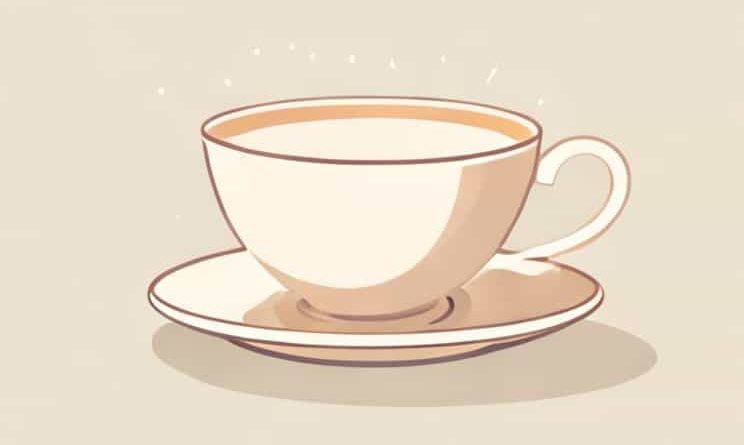
A Teacup And Saucer
A teacup and saucer have long been symbols of elegance, hospitality, and cultural tradition. These simple yet refined items are more than just vessels for drinking tea. They represent centuries of history, craftsmanship, and social customs that have developed around the world. Whether used in afternoon tea rituals, displayed as part of fine china collections, or enjoyed daily at home, the teacup and saucer hold both practical and aesthetic value. Exploring their origins, materials, cultural significance, and modern uses reveals why they remain timeless items across generations.
The Origin of the Teacup and Saucer
The teacup and saucer did not appear at the same time as tea itself. Tea drinking began in ancient China more than a thousand years ago, but early tea was often served in small bowls without handles. The introduction of the teacup with a saucer came later, particularly in Europe during the 17th and 18th centuries, when tea became a fashionable beverage among the wealthy. European potters began designing cups with handles and matching saucers to prevent spills and protect delicate table linens. Over time, this pairing became the standard way of serving tea across many cultures.
Chinese and Japanese Influence
In Asia, the design of teacups was heavily influenced by porcelain craftsmanship. The Chinese perfected porcelain production, creating thin yet durable teaware. Japanese tea ceremonies often used cups without saucers, focusing more on simplicity and mindfulness. These traditions laid the foundation for what later evolved in Europe, where the addition of saucers was more about practicality and refinement.
Design and Function of a Teacup and Saucer
The design of a teacup and saucer is not only about beauty but also functionality. Each element has a purpose, whether it is the handle, the curved rim, or the wide surface of the saucer. Together, they provide a balance of comfort and utility while elevating the tea-drinking experience.
Features of a Teacup
- The cup is usually small and delicate, designed to hold just enough tea for sipping rather than gulping.
- The handle allows the drinker to hold the cup without burning their fingers, especially when the tea is hot.
- The rim is thin and smooth, making it easy to drink comfortably.
- Different shapes and sizes exist, from tall and narrow to wide and shallow, depending on cultural preferences.
Role of the Saucer
The saucer serves as more than just a decorative plate beneath the teacup. Its role includes catching drips, protecting tabletops from heat, and providing a place to rest the spoon. In social settings, the saucer also adds elegance, framing the teacup in a way that makes the presentation more formal. Some traditions even allow for sipping tea directly from the saucer, though this practice is considered old-fashioned today.
Materials Used in Teacups and Saucers
Throughout history, teacups and saucers have been crafted from different materials, each giving them a unique look and feel. The choice of material affects durability, heat retention, and overall elegance.
- PorcelainKnown for its translucency and strength, porcelain is the most traditional choice. It is associated with fine tea sets and luxury.
- CeramicMore affordable and practical, ceramic teacups are common for everyday use and come in countless designs.
- GlassGlass teacups allow the drinker to see the color of the tea, adding a sensory experience. They are often heat-resistant.
- Bone ChinaA refined type of porcelain that is lightweight and elegant, often chosen for special occasions.
- StonewareHeavier and rustic, stoneware teacups are durable and popular for casual tea drinking.
Cultural Significance of Teacups and Saucers
The pairing of a teacup and saucer carries deep cultural symbolism. Different countries have developed their own customs around these objects, making them more than just tableware.
British Afternoon Tea
In Britain, the teacup and saucer are essential to the tradition of afternoon tea. Served with small sandwiches, scones, and cakes, tea in delicate cups represents refinement and etiquette. The way one holds the teacup, whether with or without raising the pinky finger, even became part of social manners.
European Aristocracy
During the 18th century, owning fine porcelain teacups and saucers was a symbol of wealth and sophistication among European aristocrats. Elaborately decorated sets were often displayed in cabinets as status symbols.
Modern Tea Culture
Today, teacups and saucers are still widely used in hotels, tea houses, and homes. They continue to bring a sense of ceremony to tea drinking, even in a fast-paced modern lifestyle. Collectors also value antique sets for their artistic and historical significance.
Collecting Teacups and Saucers
Many people collect teacups and saucers, appreciating them as both functional items and works of art. Collectors often look for rare patterns, specific brands, or limited-edition sets. Some well-known makers such as Wedgwood, Royal Albert, and Meissen have produced highly sought-after pieces. Collecting also provides a way to preserve history, as many designs reflect the art and culture of their time.
Modern Uses Beyond Tea
While traditionally meant for drinking tea, teacups and saucers today have found creative uses beyond their original purpose. Many people repurpose them in home décor or crafts, showing their versatility.
- They can be used as decorative planters for small succulents or herbs.
- Some turn vintage cups into candle holders, giving them a second life as décor pieces.
- Teacups may also serve as storage for jewelry, coins, or small trinkets.
- In events and weddings, teacup sets are often used as table decorations to create a charming atmosphere.
How to Care for Teacups and Saucers
Because teacups and saucers are often delicate, caring for them properly is essential to keep them in good condition. Simple steps can extend their lifespan and maintain their beauty.
- Always hand-wash fine porcelain or bone china instead of putting them in the dishwasher.
- Avoid sudden temperature changes that can crack delicate materials.
- Use mild soap and soft cloths to prevent scratching the surface.
- Store them carefully, ensuring cups are not stacked in a way that causes damage.
Symbolism of a Teacup and Saucer
Beyond function and beauty, the teacup and saucer symbolize comfort, hospitality, and connection. Sharing tea with someone often signifies warmth and friendship. In literature and art, a teacup is sometimes used to represent refinement or nostalgia. The saucer, supporting the cup, can even be seen as a metaphor for balance and harmony. Together, they remind us of the importance of simple rituals in daily life.
Conclusion on the Importance of a Teacup and Saucer
A teacup and saucer may seem like small household items, yet they carry with them centuries of tradition, artistry, and meaning. From their origins in Asia to their refinement in Europe and continued relevance today, they remain timeless symbols of tea culture. Their design blends beauty with utility, making every sip of tea a more refined experience. Whether admired as collectibles, used in formal tea service, or enjoyed in casual daily rituals, the teacup and saucer continue to hold a special place in homes around the world.