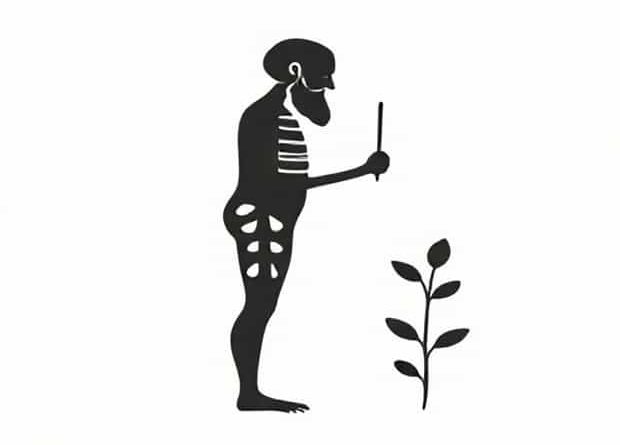
About Father Of Biology
The study of life has fascinated humanity for thousands of years, but one name stands out as the foundation of this science Aristotle. Often called the father of biology, Aristotle made significant contributions to understanding living organisms long before modern tools like microscopes or DNA analysis existed. His careful observations, classifications, and theories shaped how people studied nature for centuries. Exploring the life and work of Aristotle offers insight into how the science of biology began and why his legacy still influences modern scientific thought today.
Who Was Aristotle?
Aristotle was a Greek philosopher and scientist born in 384 BCE in Stagira, a small town in Macedonia. He studied under the famous philosopher Plato in Athens and later became the tutor of Alexander the Great. While he contributed to many areas of knowledge, including logic, ethics, and politics, his interest in nature and living beings made him the first true biologist. His curiosity about plants, animals, and the human body drove him to record detailed observations that were remarkably advanced for his time.
Why Aristotle Is Called the Father of Biology
Aristotle is considered the father of biology because he was the first to systematically study living organisms and attempt to classify them. He did not just describe animals or plants but tried to understand their behavior, structure, and function. Unlike myths or religious explanations of life, Aristotle sought natural causes for biological phenomena. This scientific approach set him apart and laid the foundation for future biological studies.
Aristotle’s Contributions to Biology
Aristotle made many important contributions that shaped the field of biology
- Classification of AnimalsHe grouped animals based on similarities in their anatomy, habits, and habitats. For example, he distinguished animals with blood (vertebrates) from those without blood (invertebrates).
- Study of AnatomyBy dissecting animals, Aristotle observed organs, tissues, and functions, making early progress in comparative anatomy.
- Reproduction and DevelopmentHe studied how animals reproduced and even described embryological development in chickens, observing stages of growth inside eggs.
- Behavioral StudiesAristotle noted the behavior of animals, such as migration, feeding, and social structures.
The Method of Observation
One of Aristotle’s strengths was his emphasis on direct observation. Instead of relying only on speculation, he watched animals in their natural environment and recorded what he saw. This method was revolutionary in his time, as many thinkers relied purely on philosophy or abstract reasoning. His approach combined logical thinking with evidence, which became a model for later scientists.
Aristotle’s Classification System
Aristotle’s system of classifying organisms was among the first attempts to organize the diversity of life. He divided animals into two major groups those with blood and those without blood. Within these groups, he further categorized them by features such as how they moved, how they reproduced, or where they lived. While modern taxonomy has advanced far beyond Aristotle’s system, his work was a crucial starting point for the science of classification.
Comparative Anatomy and Physiology
Through dissections, Aristotle studied the internal organs of animals and compared their structures. He described the heart, stomach, and other organs, linking form to function. This work helped establish comparative anatomy, which is still an important field in biology today. His efforts to connect structure with purpose demonstrated an early understanding of physiology, even if some of his conclusions were later corrected.
Aristotle’s Study of Embryology
One of Aristotle’s most impressive contributions was his study of embryology. By examining developing embryos inside chicken eggs, he observed how organisms grow and develop over time. He noted the stages of formation, from the first signs of life to the fully developed chick. Although his tools were limited, his careful records made him one of the first scientists to study development systematically.
Limitations and Mistakes
Despite his achievements, Aristotle also made mistakes. Without advanced instruments, some of his observations were inaccurate. For example, he believed the heart was the center of thought instead of the brain. He also proposed the theory of spontaneous generation, suggesting that some life forms could arise from nonliving matter. While these ideas were later disproven, they reflect the challenges of studying biology in ancient times.
Aristotle’s Influence on Later Science
Aristotle’s influence on biology and science as a whole lasted for centuries. His writings were studied throughout the Middle Ages and into the Renaissance. Scholars and scientists, including Islamic philosophers and European naturalists, built upon his work. Even when his ideas were challenged, they provided a foundation for scientific debate and discovery.
Father of Biology vs. Father of Modern Biology
While Aristotle is considered the father of biology, Charles Darwin is often referred to as the father of modern biology. Darwin’s theory of evolution by natural selection transformed the way we understand life and its diversity. The distinction highlights the evolution of biology as a science Aristotle laid the groundwork, while Darwin expanded it with new evidence and methods. Together, they represent the progression of biology from ancient to modern times.
The Legacy of Aristotle
Aristotle’s title as the father of biology is well-earned. His systematic approach, dedication to observation, and effort to explain life scientifically changed how humanity thought about nature. Even though many of his theories were revised or replaced, the fact that his work influenced scholars for over two thousand years shows the strength of his contribution. He did not just study biology; he created the foundation for the science itself.
Lessons from the Father of Biology
Studying Aristotle’s work reminds us of the importance of curiosity and observation. He did not have modern laboratories, microscopes, or genetic tools, yet he advanced knowledge by carefully watching and recording the natural world. His example shows that science begins with questions, observations, and a willingness to search for natural explanations.
The story of Aristotle, the father of biology, is a story about the birth of science itself. His pioneering spirit, commitment to observation, and early attempts at classification and explanation set the stage for centuries of discovery. While modern biology has moved far beyond Aristotle’s theories, his legacy remains central to the history of science. By looking back at his contributions, we gain a deeper appreciation for how biology developed and how the foundations laid thousands of years ago continue to influence the way we study life today.