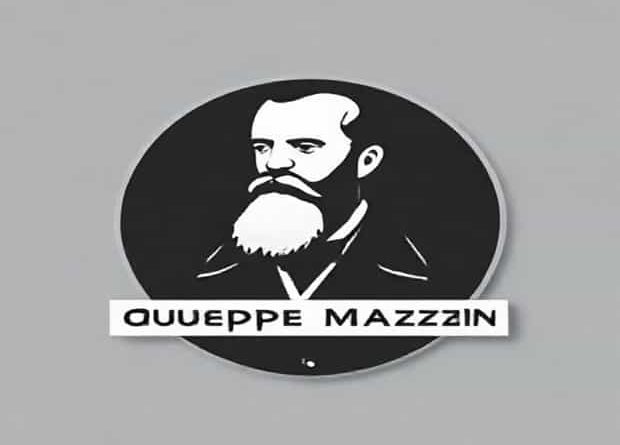
About Giuseppe Mazzini Class 10
contentReference[oaicite0] was one of the most influential figures in the 19th-century struggle for Italian unification, and his role is often highlighted in history lessons for class 10 students. He believed that Italy should be a single, independent, and democratic republic. Mazzini inspired many young people with his vision of nationalism, and he laid the ideological foundation for the later unification of Italy. Understanding his life, ideas, and contributions helps students see how strong ideals and organized activism can shape a nation’s future.
Early Life of Giuseppe Mazzini
Giuseppe Mazzini was born in 1805 in contentReference[oaicite1], which was part of the contentReference[oaicite2] at the time. He grew up during a period when Italy was divided into several small states, many of which were controlled by foreign powers such as contentReference[oaicite3]. This political fragmentation shaped his thinking from an early age. Mazzini studied law, but he was more interested in literature and politics, and he became involved in secret revolutionary groups as a young man.
His early exposure to nationalist ideas made him believe that Italy could only progress if it united as one nation. Mazzini felt that a free and independent Italy would also help bring freedom to other oppressed nations in Europe. This belief became the core of his political philosophy.
Formation of Young Italy
One of Mazzini’s most significant contributions was the formation of contentReference[oaicite4] in 1831. This was a secret organization aimed at creating a united Italian republic through popular uprisings and political education. Mazzini believed that young people had the energy and idealism needed to fight for national independence and democracy.
- Young Italy spread nationalist ideas through pamphlets and publications
- It encouraged Italians to fight for independence from foreign rule
- The organization sought to unite all Italian states under a single republic
Though many of Young Italy’s early revolts failed, the organization created a sense of unity and national purpose among Italians. It also inspired similar nationalist movements across Europe, making Mazzini a respected figure beyond Italy’s borders.
Mazzini’s Political Ideals
Mazzini’s political philosophy was rooted in the ideas of nationalism, democracy, and social justice. He believed that every nation had the right to self-determination and that governments should be accountable to the people. These ideas were quite revolutionary at a time when most European states were ruled by monarchs and empires.
Nationalism
For Mazzini, nationalism meant more than just love for one’s country. He saw it as a moral duty. He argued that people had to work together to create a unified nation where they could live with dignity and contribute to humanity. His vision of nationalism was inclusive and focused on the collective good.
Democracy
Mazzini believed that true national unity could only be achieved through a democratic system. He wanted Italy to become a republic with elected leaders who served the people, not kings or foreign rulers. This belief set him apart from other Italian leaders who supported constitutional monarchies.
Social Progress
Alongside nationalism and democracy, Mazzini promoted education, civic responsibility, and moral development. He wanted citizens to be not only politically active but also socially conscious. He thought that individuals had duties toward society and humanity as a whole, not just personal rights.
Exile and Revolutionary Activities
Because of his revolutionary activities, Mazzini spent much of his life in exile. He lived in contentReference[oaicite5], contentReference[oaicite6], and contentReference[oaicite7], where he continued to organize uprisings and publish his ideas. Despite constant surveillance and persecution, he never gave up on his dream of a united Italy.
Even from abroad, Mazzini played a central role in coordinating various revolutionary movements across Europe. He supported national liberation struggles in contentReference[oaicite8], contentReference[oaicite9], and other countries, believing that the freedom of one nation contributed to the freedom of all.
Role in the Italian Unification
Although many of Mazzini’s revolts failed, his work laid the groundwork for the eventual unification of Italy. He helped awaken nationalist feelings among Italians and inspired later leaders like contentReference[oaicite10] and contentReference[oaicite11]. While Cavour and Garibaldi used diplomacy and military campaigns to unite Italy under a constitutional monarchy, Mazzini had already created the ideological base for this movement.
Mazzini’s emphasis on popular participation and republicanism made him a hero for many ordinary Italians. Even though Italy ultimately became a kingdom instead of a republic, his vision continued to influence political thought in the country for decades.
Legacy of Giuseppe Mazzini
Giuseppe Mazzini’s legacy goes far beyond the borders of Italy. He is remembered as a champion of freedom, democracy, and national unity. His writings inspired later movements for independence in other parts of Europe and the world. Many of his ideas about citizenship, human rights, and education remain relevant even today.
- He inspired nationalist movements across Europe
- He promoted democratic values in a time of monarchy
- He showed how ideas can spark social and political change
For class 10 students studying European history, Mazzini is an example of how one person’s vision can transform an entire generation. His belief in the power of youth, education, and moral responsibility makes him an inspiring figure for young learners.
Interesting Facts about Mazzini
To better understand his life, it is helpful to know some interesting facts about Mazzini that reveal his character and commitment to his cause.
- He joined a secret revolutionary group called contentReference[oaicite12] as a young man
- He spent more than half his life in exile due to his activism
- He believed in the importance of music and arts in inspiring national spirit
- He opposed monarchies and wanted a republican form of government
Giuseppe Mazzini remains a key figure in the story of Italian unification and European nationalism. He demonstrated how powerful ideas and determined action can influence history. His belief in democracy, youth activism, and social responsibility helped shape the modern idea of a nation. Learning about Mazzini in class 10 history gives students valuable insight into how national identities are built and why active citizenship matters. His life serves as a reminder that meaningful change often begins with a clear vision and unwavering commitment.