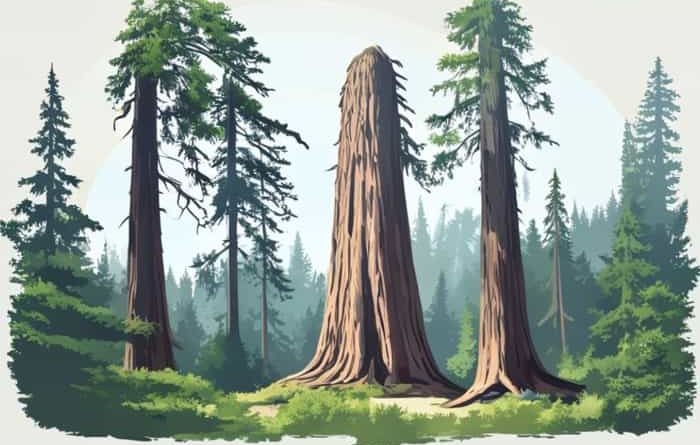
About Sequoia National Park
Sequoia National Park, located in the southern Sierra Nevada mountains of California, is a breathtaking destination known for its towering sequoia trees, dramatic landscapes, and diverse wildlife. Established in 1890, it is the second-oldest national park in the United States and covers over 400,000 acres of pristine wilderness. The park is home to some of the largest trees in the world, including the General Sherman Tree, which is renowned for being the largest living tree on Earth by volume. Visitors to Sequoia National Park can explore a variety of natural wonders, from deep canyons and granite peaks to lush forests and sparkling rivers, making it a must-see destination for nature enthusiasts, hikers, and anyone seeking to experience the grandeur of California’s wilderness.
History of Sequoia National Park
Sequoia National Park was established to protect the giant sequoia trees, which were rapidly being logged in the 19th century. Conservationists recognized the importance of preserving these ancient trees, some of which are over 3,000 years old. The park’s creation was part of a broader movement to establish protected natural areas in the United States, following the success of Yellowstone National Park. Early park rangers and naturalists worked to maintain trails, protect wildlife, and educate visitors about the park’s unique ecosystems. Today, the park continues to preserve not only the giant sequoias but also a wide range of plant and animal species, ensuring that future generations can experience this extraordinary natural treasure.
Major Attractions
Sequoia National Park offers numerous attractions for visitors of all ages. Some of the most notable include
- General Sherman TreeThe largest tree in the world by volume, standing over 275 feet tall and estimated to be around 2,200 years old.
- Moro RockA massive granite dome that offers panoramic views of the surrounding Sierra Nevada mountains.
- Giant ForestHome to more than 8,000 sequoias, including several of the largest and oldest trees in the park.
- Crystal CaveA marble cave filled with stunning stalactites, stalagmites, and underground chambers, accessible via guided tours.
- Tokopah FallsA scenic waterfall along the Marble Fork of the Kaweah River, popular for hiking and photography.
Wildlife and Ecology
Sequoia National Park supports a diverse range of wildlife and ecosystems, from low-elevation foothills to high mountain peaks. Visitors may encounter black bears, mule deer, bobcats, and various bird species such as the Steller’s jay and northern goshawk. The park’s rivers and streams are home to native fish, while meadows and forests support numerous plant species, including wildflowers, ferns, and shrubs. The giant sequoias themselves are remarkable ecological wonders, creating microhabitats that support other plant and animal life. Preserving these ecosystems is a key focus of the park’s management, balancing visitor access with conservation efforts.
Recreational Activities
Visitors to Sequoia National Park can enjoy a wide range of recreational activities, from hiking and camping to photography and wildlife observation. Popular hiking trails include
- Mist Falls TrailA moderate trail leading to a beautiful waterfall with scenic views along the way.
- Congress TrailA loop trail through the Giant Forest that passes by some of the park’s most famous sequoias.
- Alta Peak TrailA challenging hike offering panoramic views of the Great Western Divide.
Camping is available in designated campgrounds, allowing visitors to immerse themselves in the natural beauty of the park. Seasonal activities, such as snowshoeing and cross-country skiing in winter, offer additional ways to experience the park’s landscapes throughout the year.
Visiting Tips
To make the most of a visit to Sequoia National Park, planning ahead is essential. Here are some tips for visitors
- Check the park’s official website for current conditions, trail closures, and weather updates.
- Arrive early to popular attractions, such as the General Sherman Tree, to avoid crowds.
- Wear sturdy footwear and bring water, especially for longer hikes or summer visits.
- Respect wildlife and maintain a safe distance from animals, particularly black bears.
- Practice Leave No Trace principles, including packing out trash and minimizing impact on trails and natural areas.
- Consider visiting in spring or fall for milder temperatures and fewer crowds compared to peak summer months.
Educational and Cultural Programs
Sequoia National Park also offers educational programs and ranger-led activities that provide deeper insights into the park’s natural and cultural history. Visitors can attend talks, guided walks, and workshops to learn about the giant sequoias, wildlife, geology, and conservation efforts. These programs are suitable for all ages and help foster an appreciation for the park’s ecological and historical significance. Schools and youth groups often take part in field trips, creating hands-on learning experiences that connect students with nature and environmental stewardship.
Conservation Efforts
Conserving the giant sequoias and the park’s ecosystems is a top priority. Fire management plays a critical role, as natural fires help maintain the health of sequoia groves by clearing underbrush and triggering seed release. Controlled burns and careful monitoring help protect both trees and visitors. Invasive species are managed to preserve native plant and animal populations. Research programs study climate change, wildlife patterns, and forest health to inform long-term conservation strategies. By balancing recreation with ecological protection, Sequoia National Park serves as a model for sustainable park management.
Nearby Attractions
Sequoia National Park is often visited alongside Kings Canyon National Park, which shares a border and offers complementary landscapes of deep canyons, high peaks, and wilderness trails. Visitors can explore both parks in a single trip, experiencing the grandeur of the Sierra Nevada mountains. The nearby towns provide accommodations, dining, and local culture, enhancing the overall experience of visiting this remarkable region of California.
Sequoia National Park is a true natural treasure, offering visitors a chance to witness the majesty of the world’s largest trees and explore diverse landscapes filled with wildlife and scenic beauty. From the towering General Sherman Tree to the rugged peaks and flowing rivers, the park provides unforgettable experiences for nature lovers, hikers, and photographers. Its rich history, ecological significance, and recreational opportunities make it one of the premier national parks in the United States. By visiting and supporting Sequoia National Park, individuals contribute to the ongoing preservation of these ancient forests and ensure that future generations can enjoy the wonders of this extraordinary natural environment.