Ai And Human Collaboration
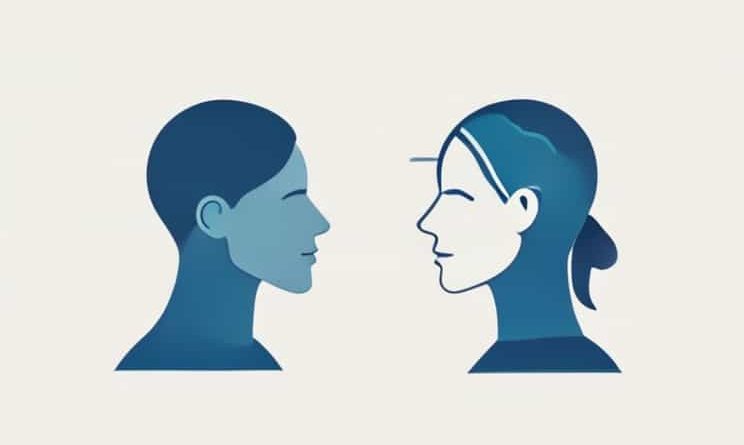
The relationship between AI and human collaboration is one of the most fascinating topics of our time. As artificial intelligence continues to advance, it is no longer just a tool that performs tasks but a partner that can assist humans in problem-solving, creativity, and decision-making. The combination of human intuition and machine precision opens new opportunities in almost every industry. By understanding how AI and humans can work together, we can build a future where technology enhances human potential rather than replacing it.
What AI and Human Collaboration Means
AI and human collaboration refers to the way humans and artificial intelligence systems work together to achieve shared goals. Instead of replacing workers, AI complements their skills. Machines handle repetitive or data-heavy tasks, while humans focus on creativity, judgment, and ethical considerations. This partnership allows for faster, smarter, and more accurate results in many fields such as healthcare, education, design, and business.
The Role of AI in Collaboration
Artificial intelligence can analyze large amounts of data, recognize patterns, and perform tasks at high speed. In collaboration, AI acts as an assistant that can suggest solutions, predict outcomes, and automate time-consuming processes. This frees up humans to focus on innovation and critical thinking. For example, AI can process medical images in seconds, allowing doctors to spend more time on patient care.
The Role of Humans in Collaboration
Humans bring emotional intelligence, creativity, and ethical reasoning to the table. While AI is powerful, it lacks empathy and moral judgment. Human collaborators ensure that AI systems are used responsibly and that decisions are fair and aligned with societal values. In creative work, humans provide originality and imagination, while AI offers inspiration and support by generating ideas or refining designs.
Benefits of AI and Human Collaboration
There are many benefits to combining human intelligence with artificial intelligence. Some of the most significant advantages include
- Increased efficiency by automating repetitive tasks.
- Improved decision-making through data-driven insights.
- Enhanced creativity by using AI to generate new ideas.
- Better problem-solving by combining machine precision with human intuition.
- Reduction of human error in complex processes.
Examples of Collaboration in Different Fields
AI and human collaboration is already happening in many industries. Here are a few examples that demonstrate how powerful this partnership can be
Healthcare
AI assists doctors by analyzing scans, predicting diseases, and suggesting treatments. Humans still make the final decisions and interact with patients, but AI reduces diagnostic errors and speeds up the process. This collaboration can save lives by catching illnesses earlier.
Education
Teachers use AI-powered tools to personalize learning for students. AI can recommend exercises, track progress, and highlight areas where students need improvement. The teacher then focuses on mentoring and providing emotional support, making education more effective.
Business
In the business world, AI helps analyze market trends, manage supply chains, and automate customer support. Humans work on strategy, building relationships, and creating innovative products. This combination leads to smarter business decisions and better customer experiences.
Creative Industries
Artists, designers, and writers use AI to experiment with new styles and generate inspiration. While AI can produce content, humans curate, refine, and add emotional depth. This allows for faster creation without losing the human touch that makes art meaningful.
Challenges of AI and Human Collaboration
Despite the benefits, there are also challenges in making AI and human collaboration successful. Some of the main concerns include
- Ensuring that AI systems are transparent and explainable so humans can trust them.
- Avoiding over-reliance on AI, which may reduce human skills over time.
- Addressing ethical issues, such as bias in AI algorithms.
- Protecting data privacy when AI systems handle sensitive information.
- Training workers to understand and use AI effectively.
How to Improve Collaboration
To make AI and human collaboration more effective, organizations should focus on the following steps
Building Trust
Humans must be able to trust AI systems. This means designing AI that is transparent, reliable, and fair. Users should understand how decisions are made so they can confidently use AI in their work.
Providing Education
Workers should receive training on how to interact with AI systems. This includes understanding their capabilities, limitations, and best practices. Education empowers people to use AI effectively and responsibly.
Balancing Roles
The key to successful collaboration is finding the right balance between human and machine tasks. Humans should remain in control of critical decisions, while AI handles tasks that are repetitive or data-intensive.
Continuous Improvement
AI systems should be updated and refined regularly to keep them accurate and useful. Humans can provide feedback, helping developers improve the algorithms and avoid mistakes.
The Future of AI and Human Collaboration
The future of work will likely involve even closer partnerships between humans and AI. As artificial intelligence becomes more advanced, it will take on more complex roles, from co-writing topics to assisting in scientific research. However, the human element will remain essential. Creativity, ethics, and emotional intelligence cannot be fully replaced by machines.
Opportunities Ahead
AI and human collaboration can lead to breakthroughs in science, medicine, and technology. For example, AI can help discover new materials or design more efficient renewable energy systems. When combined with human vision, these innovations can solve some of the world’s biggest challenges.
Maintaining Human Control
While collaboration is promising, it is important to maintain human oversight. AI should be used as a tool to empower people, not control them. Ethical guidelines and regulations will play an important role in shaping this future partnership.
AI and human collaboration represents a powerful shift in how we work, create, and solve problems. By combining the strengths of artificial intelligence with human insight, we can achieve results that neither could accomplish alone. The key is to use AI responsibly, keep humans at the center of decision-making, and continue learning how to make this partnership stronger. As technology advances, the relationship between AI and humans will shape the future of industries, education, and society itself, offering a world where both machine intelligence and human creativity work side by side.