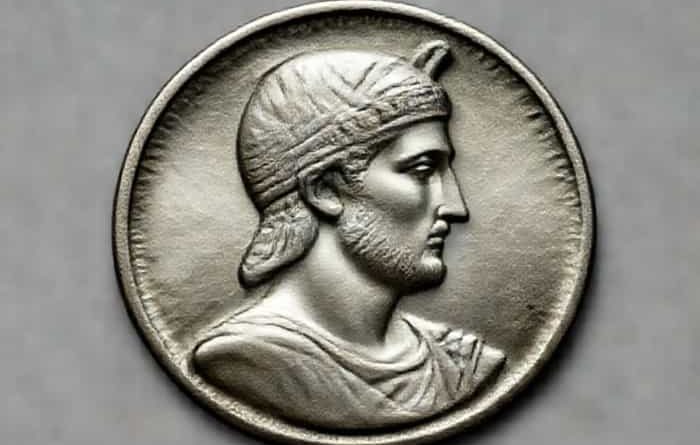
Alexander The Great Coinage
Alexander the Great is one of history’s most renowned figures, celebrated for his vast empire, military genius, and enduring cultural influence. Beyond his conquests and leadership, Alexander’s legacy is also evident in the coinage minted during and after his reign. These coins are not just currency; they are artifacts of history, propaganda tools, and expressions of political power. From the imagery and inscriptions to the distribution and metal composition, Alexander the Great coinage offers a fascinating glimpse into the economic, cultural, and political landscape of the ancient world. Collectors and historians alike study these coins to understand more about the man who shaped the ancient Mediterranean and Near Eastern world.
The Historical Context of Alexander the Great Coinage
Alexander the Great ruled Macedonia from 336 to 323 BCE, inheriting a kingdom strengthened by his father, Philip II. As he expanded his empire across Persia, Egypt, and into India, the need for a consistent and recognizable currency became paramount. Coinage served multiple purposes it facilitated trade, paid armies, and reinforced Alexander’s image as a legitimate and divine ruler. These coins were distributed across the vast territories of his empire, carrying symbols that communicated authority, military success, and divine favor.
Early Coinage in Macedonia
Before Alexander’s conquests, Macedonia already had a tradition of coin minting, primarily silver and gold coins with designs that reflected local culture and deities. The early coins issued during his reign often continued these motifs but introduced new elements that emphasized Alexander’s identity. Portraits of Alexander and depictions of gods became more prominent, setting a precedent for later Hellenistic coinage throughout his empire.
Designs and Symbols on Alexander’s Coins
Alexander the Great coinage is characterized by intricate designs that reflect both political and cultural messages. The coins typically featured
- ObverseThe front of the coin often depicted Alexander himself or a heroic figure, usually wearing a lion skin headdress symbolizing Heracles. This imagery linked Alexander to divine and heroic ancestry, reinforcing his authority.
- ReverseThe back of the coin frequently displayed symbols such as Zeus seated on a throne, holding a scepter and eagle, which signified power, justice, and divine support for Alexander’s rule.
- InscriptionsGreek inscriptions often identified Alexander by name and title, sometimes emphasizing his status as the son of Zeus-Ammon, particularly after his visit to the oracle at Siwa in Egypt.
- Imagery of ConquestsLater coinage sometimes included symbols of military victory or captured territories, showcasing the extent of Alexander’s empire.
Metals and Denominations
Alexander’s coins were minted in several metals, primarily gold, silver, and bronze, catering to different economic needs and audiences. Gold coins, often referred to as staters, were used for large transactions and paying high-ranking officials or soldiers. Silver coins, particularly the tetradrachm, became widespread in trade and everyday transactions across the empire. Bronze coins were minted in smaller denominations for local circulation. Each metal had a role in the economy, reflecting both Alexander’s wealth and the administrative sophistication of his empire.
Coinage as a Political Tool
Alexander’s coinage was not merely functional; it was a powerful political instrument. Coins circulated widely, reaching distant regions and reinforcing loyalty to Alexander. The use of divine imagery and heroic symbols conveyed that Alexander’s rule was sanctioned by the gods, legitimizing his authority in newly conquered territories. Coins also helped integrate diverse regions into a cohesive economic and political network, facilitating both trade and governance.
Posthumous Influence and Legacy
After Alexander’s death in 323 BCE, his generals, known as the Diadochi, continued to mint coins using his image. This practice kept his legacy alive, even as the empire fragmented into smaller Hellenistic kingdoms. Alexander’s portrait on coins became a standard template for Hellenistic rulers, influencing coinage for centuries. The use of consistent iconography helped maintain a sense of continuity and authority, even in regions far from Macedonia.
Collecting Alexander the Great Coinage
Today, Alexander the Great coinage is highly valued by historians, collectors, and numismatists. These coins provide tangible evidence of ancient history, artistic achievement, and economic systems. Collectors often seek coins based on rarity, condition, metal type, and historical significance. Some of the most sought-after pieces are gold staters and early silver tetradrachms featuring realistic portraits of Alexander. Modern scholars study these coins to gain insights into minting techniques, trade networks, and the political landscape of the ancient world.
Authentication and Preservation
Due to the high value of Alexander’s coins, authentication is critical. Experts examine weight, metal composition, inscriptions, and stylistic details to verify authenticity. Preserving these coins requires careful handling and storage to prevent corrosion and wear. Many collectors use protective cases, climate-controlled environments, and professional grading services to maintain the historical integrity and value of their coins.
Economic Significance
The circulation of Alexander the Great coinage played a crucial role in the economic integration of his empire. By standardizing currency, Alexander facilitated trade across vast territories, from Macedonia and Greece to Egypt and Persia. Merchants, soldiers, and local populations used these coins, which simplified transactions and helped unify diverse regions under a common economic system. The widespread acceptance of these coins also underscored Alexander’s influence and the efficiency of his administrative policies.
Cultural Impact
The coins also had a cultural and psychological impact. By depicting Alexander as both a god-like figure and a heroic warrior, the coins communicated ideals of leadership, bravery, and divinity. This visual propaganda helped solidify his image across the empire, promoting loyalty and reverence among subjects. The aesthetic quality of these coins influenced subsequent Hellenistic art and coinage, leaving a lasting mark on Mediterranean culture.
Alexander the Great coinage is more than a means of exchange; it is a window into the history, politics, and culture of one of the world’s greatest empires. From the heroic portraits and divine symbols to the choice of metals and widespread distribution, these coins reflect Alexander’s strategic use of art, economics, and propaganda to consolidate power. The legacy of his coinage endured long after his death, influencing Hellenistic rulers and providing valuable insights for modern historians and collectors. Understanding the significance of Alexander the Great coinage allows us to appreciate not only the economic sophistication of his empire but also the enduring power of imagery and symbolism in shaping historical memory.