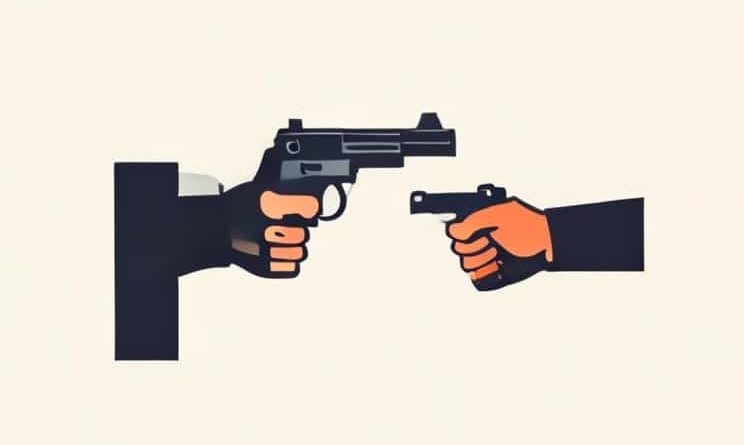
And They Both Reached For The Gun
Moments of intense suspense and high stakes often define the most memorable scenes in literature, film, and real-life narratives. The phrase and they both reached for the gun evokes an immediate sense of tension, conflict, and uncertainty. This moment signifies a climax where choices, consequences, and human instincts collide, forcing characters into a confrontation that can alter their fates irrevocably. Exploring this scenario requires examining character motivation, narrative structure, psychological tension, and the broader implications of conflict in storytelling and human behavior.
Understanding the Moment of Confrontation
When two characters simultaneously reach for a gun, it symbolizes more than just physical conflict. It reflects a struggle for control, power, and survival. This shared action often serves as a narrative pivot, escalating tension and pushing the story toward resolution or further complication. Writers and directors use such moments to engage the audience, creating suspense that keeps readers or viewers invested in the outcome.
Character Motivation
In scenarios where both characters reach for a weapon, understanding their motivations is crucial
- Self-preservation Each character may act out of fear for personal safety.
- Revenge or justice A desire to correct perceived wrongs can drive action.
- Misunderstanding or miscommunication Conflicts may arise from assumptions or misinformation.
- Power dynamics Control over the situation or over the other person often motivates these actions.
Narrative Techniques and Tension Building
Writers employ several techniques to heighten the suspense of simultaneous action toward a gun. Timing, perspective, and pacing all play pivotal roles. By controlling how and when the audience receives information, the tension can be magnified, making the climax more impactful.
Pacing and Timing
Slow, deliberate pacing can increase suspense, allowing readers to anticipate the action
- Use short, rapid sentences to convey urgency.
- Introduce hesitation or internal conflict to prolong tension.
- Alternate perspectives to show both characters’ thoughts and reactions.
Point of View
The choice of narrative perspective can dramatically influence tension
- First-person perspective immerses the audience in a character’s fear and decision-making process.
- Third-person limited allows insight into both characters’ intentions, creating dramatic irony.
- Omniscient perspective can reveal consequences and heighten anticipation of the outcome.
Psychological Tension and Conflict
The act of reaching for a gun simultaneously reflects psychological conflict. Each character grapples with fear, aggression, and ethical considerations. Exploring these internal dynamics adds depth and realism to the scene, making it resonate emotionally with the audience.
Fear and Survival Instincts
Humans are wired to respond to threats instinctively. In moments of perceived danger
- Adrenaline surges, triggering rapid decision-making and reflexive actions.
- Fight-or-flight responses influence both mental and physical reactions.
- Emotional tension is heightened, revealing character traits under pressure.
Moral Dilemmas
Characters may also face ethical conflicts, even in life-threatening situations
- Choosing between self-defense and harming another person.
- Struggling with loyalty, trust, or prior relationships.
- Weighing immediate survival against long-term consequences.
Real-Life Implications
While this phrase is often associated with fiction, similar situations occur in real life where conflict and rapid decision-making intersect. Understanding the dynamics of confrontation, human instincts, and conflict resolution can provide valuable lessons beyond the narrative context.
Decision-Making Under Pressure
Real-life scenarios involving threats require quick, informed decisions
- Assessing immediate danger and potential outcomes.
- Managing fear and emotional responses to maintain clarity.
- Balancing ethical considerations with practical survival needs.
Conflict Resolution
Exploring the simultaneous reach for a weapon can inform approaches to preventing escalation
- De-escalation techniques to reduce tension in volatile situations.
- Understanding body language and verbal cues to anticipate actions.
- Promoting negotiation and communication to avoid physical confrontation.
Symbolism and Thematic Significance
The image of two people reaching for a gun simultaneously carries symbolic weight. It often represents
- Equality of stakes Both characters face life-altering consequences.
- Duality of human nature Good versus evil, rationality versus impulse.
- The inevitability of conflict Actions and choices can create unavoidable tension.
- Interconnected fates The outcome depends on both individuals’ decisions.
Foreshadowing and Suspense
This moment often serves as a pivotal point that foreshadows future developments
- Preceding conflicts may hint at the escalation to violence.
- Subtle narrative cues can prepare the audience for the climax.
- Maintaining suspense requires careful control of timing, dialogue, and setting.
Storytelling Examples
Many classic novels, films, and plays employ scenarios where characters reach for a weapon simultaneously. These scenes are memorable because they combine tension, character depth, and moral complexity.
Film Examples
- Action thrillers often feature standoffs where the protagonist and antagonist reach for a gun, creating suspense and excitement.
- Crime dramas use similar moments to explore ethical dilemmas and character motivations.
- Western films frequently depict duels, emphasizing timing, skill, and psychological tension.
Literature Examples
- Classic novels use physical confrontations to symbolize broader societal or moral conflicts.
- Detective stories often include climactic moments where characters’ true intentions are revealed through simultaneous action.
- Psychological thrillers explore inner conflict as characters decide whether to escalate or de-escalate tension.
Writing Techniques for Maximum Impact
To create a compelling scene where both characters reach for a gun, writers can employ several techniques
Show, Don’t Tell
Illustrate tension through actions, gestures, and sensory details
- Describe trembling hands, widened eyes, or shallow breaths.
- Convey urgency through the rhythm of movement and heartbeat.
- Use environmental cues, like a creaking floorboard or sudden silence, to heighten suspense.
Internal Monologue
Providing access to characters’ thoughts enhances emotional engagement
- Reveal fears, doubts, and rationalizations.
- Explore conflicting impulses and moral considerations.
- Create empathy, allowing the audience to understand both perspectives.
Cliffhangers and Pacing
Maintaining tension requires careful control of pacing
- Alternate between quick action and slower, reflective moments.
- Use sentence structure to create urgency and rhythm.
- End scenes at critical moments to sustain suspense.
The phrase and they both reached for the gun encapsulates a moment rich with suspense, psychological complexity, and narrative significance. Whether in literature, film, or real-life analysis, it represents the convergence of fear, decision-making, and moral dilemma. Exploring this scenario provides insights into character development, storytelling techniques, and human behavior under pressure. By examining motivations, ethical considerations, and narrative structure, writers and audiences alike can appreciate the depth and tension inherent in such climactic confrontations. Ultimately, this phrase serves as a powerful lens through which to study conflict, suspense, and the intricate interplay of human choices in moments of extreme consequence.