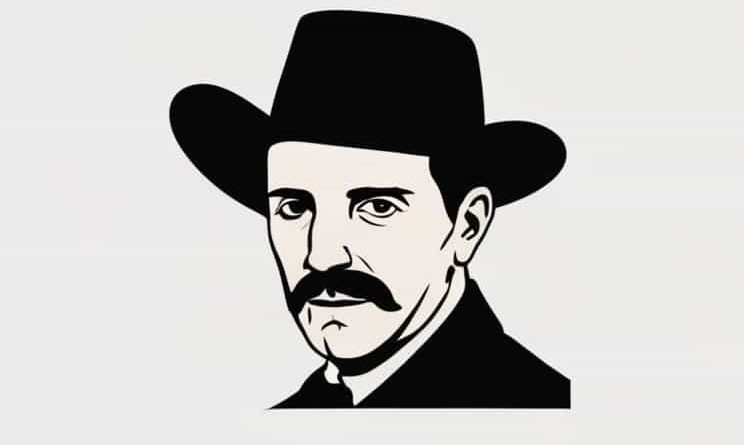
Andre Malraux Wikipedia Francais
André Malraux, born on November 3, 1901, in Paris, was a multifaceted French intellectual whose life intertwined literature, politics, and art. His legacy is preserved in various cultural institutions, including the Musée d’Art moderne André-Malraux (MuMa) in Le Havre, France, which stands as a testament to his contributions to the cultural landscape of France.
Early Life and Education
Malraux was born into a bourgeois family in Paris. His early life was marked by personal challenges, including the separation of his parents. Despite these hardships, he developed a passion for literature and art. He pursued his education in Paris, where he immersed himself in the study of art and history, laying the foundation for his future endeavors.
Adventurous Spirit and Political Engagement
In his youth, Malraux exhibited an adventurous spirit. At the age of 21, he embarked on an archaeological expedition to Cambodia, where he faced legal challenges for removing bas-reliefs from a temple. This incident marked the beginning of his complex relationship with colonialism and art. His experiences in Asia and his subsequent political engagements shaped his worldview, leading him to support various revolutionary movements.
Literary Contributions
Malraux’s literary works delve into themes of existentialism, revolution, and the human condition. His notable works include
- La Condition humaine (1933)– A novel set during the Chinese Revolution, exploring the lives of revolutionaries.
- Les Conquérants (1928)– A narrative focusing on the struggles of revolutionaries in Indochina.
- La Voie royale (1930)– A continuation of his exploration of revolutionary themes in Asia.
- Antimémoires (1967)– A reflective work that offers insights into his personal experiences and political thoughts.
Minister of Culture
In 1959, Malraux was appointed as France’s first Minister of Cultural Affairs under President Charles de Gaulle. During his tenure, he implemented policies that emphasized the importance of culture in national identity. One of his significant achievements was the establishment of the Maison de la Culture in Le Havre, a cultural center that combined art exhibitions, performances, and educational programs.
Musée d’Art moderne André-Malraux (MuMa)
In 1961, the Musée d’Art moderne André-Malraux was inaugurated in Le Havre, named in honor of Malraux’s contributions to French culture. The museum houses an extensive collection of Impressionist paintings, including works by Monet, Renoir, and Delaunay. It serves as a cultural hub, offering visitors a glimpse into the evolution of modern art and its impact on society.
Legacy
André Malraux’s multifaceted contributions to literature, politics, and art have left an indelible mark on French culture. His works continue to be studied for their profound insights into the human condition and their exploration of revolutionary ideals. The MuMa stands as a lasting tribute to his vision of integrating art into the fabric of everyday life, ensuring that his legacy endures for future generations.