Are Believing In Zodiac Signs A Sin
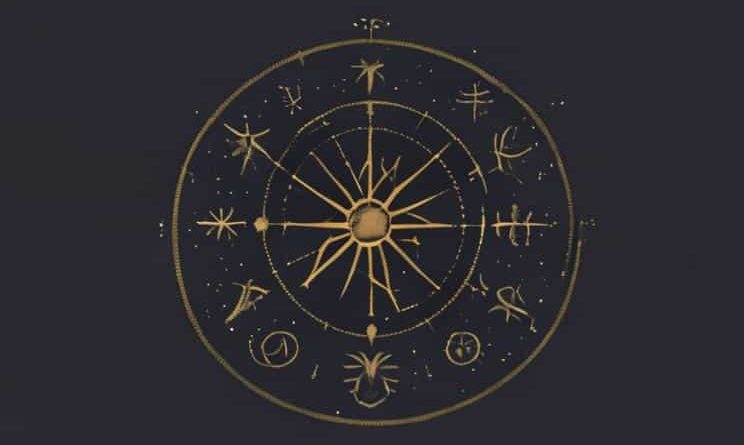
Believing in zodiac signs is a topic that generates curiosity, debate, and sometimes moral or religious questioning. For many people, astrology offers guidance, entertainment, or insight into personality traits, relationships, and life events. However, questions arise about whether placing trust in zodiac signs aligns with religious teachings or if it can be considered sinful. Exploring this topic involves understanding the nature of astrology, its cultural and historical context, and how different faith traditions view reliance on celestial predictions versus spiritual guidance.
Understanding Zodiac Signs
Zodiac signs are part of astrology, a system that interprets the positions and movements of celestial bodies to provide insight into human behavior and events. Each of the twelve zodiac signs is associated with specific personality traits, tendencies, and potential life paths. While some individuals consult their zodiac signs for daily guidance, compatibility in relationships, or career advice, others approach astrology purely as entertainment. Understanding the fundamental concept of zodiac signs is essential before evaluating their moral or religious implications.
The Origins of Astrology
Astrology has roots that date back thousands of years, with early systems developed in Mesopotamia, Egypt, and ancient Greece. These civilizations observed the stars and planets, creating frameworks to explain natural phenomena and human behavior. Over time, astrology became linked with culture, religion, and philosophy, influencing literature, art, and social practices. Modern zodiac astrology continues these traditions, though often simplified for popular consumption, providing horoscopes, personality assessments, and predictions.
Religious Perspectives on Believing in Zodiac Signs
Different religious traditions view astrology and belief in zodiac signs differently, often emphasizing faith, divine guidance, and moral conduct over celestial predictions. For those concerned with whether astrology is a sin, it is crucial to examine how religious teachings frame reliance on supernatural or external influences.
Christianity
In Christianity, the Bible contains passages warning against divination, sorcery, and seeking guidance from sources other than God. Some theologians interpret these passages as cautioning against placing trust in astrology. Believers are encouraged to seek wisdom, direction, and understanding through prayer, scripture, and the Holy Spirit rather than horoscopes or zodiac predictions. While reading astrology for entertainment may not be considered sinful, relying on it for major life decisions can conflict with Christian teachings.
Islam
Islamic teachings generally discourage astrology because it attributes knowledge of the unseen to humans or celestial bodies rather than Allah. Astrology can be seen as contradictory to the belief that only God has control over destiny and knowledge of the future. Muslims are advised to place trust in divine guidance through prayer, reading the Quran, and following the teachings of the Prophet Muhammad. Using zodiac signs as a form of amusement might be acceptable, but seeking decisions or insights through astrology is discouraged.
Judaism
Judaism also emphasizes reliance on God’s guidance over divination or astrology. While historical texts show some awareness of celestial influences, Jewish teachings generally prioritize study, ethical conduct, and prayer. Consulting zodiac signs for entertainment is usually not considered sinful, but allowing astrology to influence critical decisions may conflict with religious principles.
Psychological and Cultural Considerations
Beyond religious perspectives, it is useful to examine why people believe in zodiac signs and how such beliefs affect daily life. Astrology often provides a sense of identity, structure, or reassurance in uncertain times. The descriptions of personality traits associated with zodiac signs can create a framework for self-reflection, interpersonal understanding, and personal growth. Recognizing the psychological motivations behind zodiac belief can help contextualize it, distinguishing between harmless interest and overreliance that might conflict with faith.
Positive Effects of Astrology
- Self-reflection Encourages individuals to think about their personality, strengths, and weaknesses.
- Social Connection Offers conversation topics and shared experiences through astrology communities.
- Entertainment and Inspiration Provides enjoyment, motivation, or light-hearted guidance.
Potential Risks
- Overdependence Making major life decisions based solely on astrology rather than reason, prayer, or professional advice.
- Misinterpretation Assuming that zodiac predictions are absolute and neglecting personal responsibility.
- Conflict with Faith Prioritizing astrology over spiritual guidance or moral principles.
Balancing Faith and Interest in Zodiac Signs
For those who enjoy astrology but wish to maintain religious integrity, balance is key. Using zodiac signs for entertainment, social interaction, or mild self-reflection generally does not pose moral issues. However, it is important to avoid using astrology as a replacement for prayer, ethical decision-making, or reliance on divine guidance. Faith traditions consistently emphasize that ultimate trust should rest in God, while astrology can be treated as a cultural or psychological tool rather than a determinant of destiny.
Practical Guidance
- Enjoy astrology for fun or curiosity without letting it dictate major life choices.
- Maintain spiritual practices, such as prayer, scripture study, or meditation, as primary sources of guidance.
- Reflect critically on zodiac advice and use discernment in applying it to personal decisions.
- Educate yourself on religious teachings to ensure alignment with faith when exploring astrology.
Believing in zodiac signs is not inherently sinful, but the context and extent of reliance on astrology matter. Religious teachings across Christianity, Islam, and Judaism caution against allowing astrology to replace trust in God or ethical judgment. When approached as a form of entertainment, self-reflection, or cultural interest, zodiac signs can be harmless and enjoyable. However, overdependence or using astrology as a primary guide for life decisions may conflict with spiritual principles. By understanding the origins, cultural significance, and psychological appeal of zodiac signs while keeping faith and moral responsibility at the forefront, individuals can navigate astrology thoughtfully and responsibly, ensuring that it complements rather than compromises their spiritual journey.