Are Blue Blubber Jellyfish Dangerous
The ocean is home to countless fascinating creatures, and among them, the blue blubber jellyfish stands out for its striking appearance and unusual behavior. Found in coastal waters of Australia and parts of the Indo-Pacific, these jellyfish are notable for their vibrant blue bell and long, flowing tentacles. While their beauty is captivating, many swimmers and beachgoers wonder whether blue blubber jellyfish are dangerous. Understanding their anatomy, behavior, and potential risks is important for anyone encountering these creatures in their natural habitat.
Physical Characteristics of Blue Blubber Jellyfish
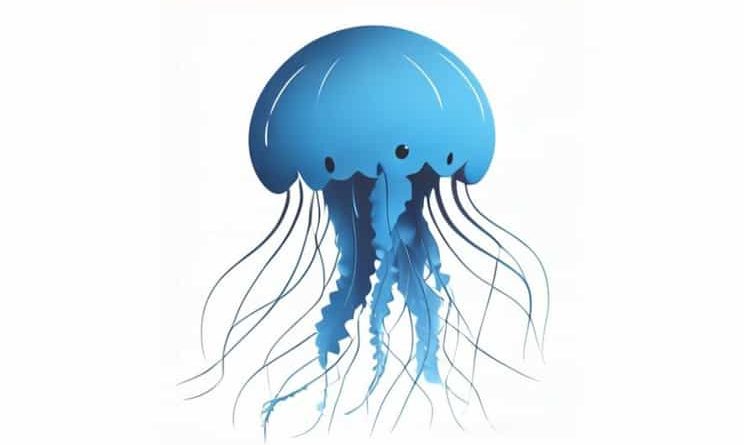
The blue blubber jellyfish, scientifically known asCatostylus mosaicus, is a medium-sized jellyfish with a distinctive blue or sometimes mauve bell. The bell can grow up to 35 centimeters in diameter and is dome-shaped with a soft, gelatinous texture. Beneath the bell are short oral arms that assist in feeding, and these arms are lined with small stinging cells called cnidocytes. The tentacles of the blue blubber jellyfish are relatively short compared to other jellyfish species, giving them a unique appearance. These physical traits are not only for show; they play a crucial role in capturing prey and defending against predators.
Diet and Behavior
Blue blubber jellyfish are primarily carnivorous, feeding on plankton, small fish, and other microscopic organisms. Their stinging cells help immobilize prey, allowing the jellyfish to transport food to their oral arms. Despite their appearance, blue blubber jellyfish are slow swimmers, drifting with ocean currents rather than actively pursuing prey. They tend to gather in large numbers during certain seasons, creating spectacular displays in coastal waters. While their movements are gentle and mesmerizing, interactions with humans are usually accidental rather than intentional.
Are Blue Blubber Jellyfish Dangerous to Humans?
The question of whether blue blubber jellyfish are dangerous is common among beachgoers. The short answer is that they can sting, but their stings are generally mild compared to other dangerous jellyfish species such as box jellyfish or Irukandji jellyfish. Blue blubber stings typically cause skin irritation, redness, and mild discomfort rather than severe pain or systemic reactions. In rare cases, sensitive individuals may experience an allergic reaction, but serious injuries are uncommon. This makes them less dangerous but still a species that requires caution.
Symptoms of a Blue Blubber Jellyfish Sting
- Redness and swelling at the site of contact
- Mild pain or burning sensation
- Itching or irritation that may last several hours
- Occasionally small blisters on the skin
Most stings are minor and can be treated with simple first aid measures such as rinsing the affected area with seawater and applying vinegar to neutralize any remaining stingers. Medical attention is rarely required unless the person experiences severe allergic reactions or the sting occurs over a large area of the body.
Comparison with More Dangerous Jellyfish
While the blue blubber jellyfish is visually impressive, it is far less hazardous than some of its relatives. For example, the box jellyfish, found in the same regions of Australia, is highly venomous and can cause heart failure, severe pain, and even death. Irukandji jellyfish, though tiny, have extremely potent venom that can induce life-threatening symptoms. In comparison, blue blubber jellyfish stings are mild and typically not life-threatening. Understanding this distinction helps beachgoers assess risk and respond appropriately when encountering jellyfish in the ocean.
Precautions When Encountering Blue Blubber Jellyfish
Even though blue blubber jellyfish are not highly dangerous, it is important to take precautions to avoid stings. Simple safety measures can prevent uncomfortable encounters
- Avoid touching jellyfish in the water or on the beach
- Wear protective clothing such as a stinger suit if swimming in areas with jellyfish
- Observe local warnings and beach notices about jellyfish presence
- Use caution when wading near floating jellyfish blooms
By following these precautions, swimmers can enjoy the beauty of blue blubber jellyfish without putting themselves at significant risk.
Ecological Role of Blue Blubber Jellyfish
Blue blubber jellyfish play an important role in marine ecosystems. They serve as both predators and prey. As predators, they help control populations of plankton and small marine organisms. As prey, they provide a food source for larger marine animals, including sea turtles, some species of fish, and seabirds. This dual role contributes to the balance of coastal marine environments. Understanding their ecological importance emphasizes that even relatively harmless jellyfish like the blue blubber have a significant place in the ocean food web.
Interactions with Humans Beyond Stings
In addition to their stings, blue blubber jellyfish have other interactions with humans. During jellyfish blooms, they may wash up on beaches in large numbers, creating obstacles for swimmers and beach visitors. While this can be an inconvenience, it also offers opportunities for scientific observation and ecological study. Researchers study jellyfish populations to monitor environmental changes, ocean currents, and the effects of climate change on marine life. The blue blubber jellyfish is thus both a subject of curiosity and a valuable indicator species for marine ecosystems.
First Aid and Treatment for Stings
In the event of a sting from a blue blubber jellyfish, basic first aid is usually sufficient. The following steps can help manage symptoms effectively
- Rinse the affected area with seawater, not freshwater, to avoid triggering additional stingers
- Remove any visible tentacles carefully using tweezers or gloves
- Apply vinegar to neutralize the stinging cells
- Use cold packs to reduce pain and swelling if necessary
- Seek medical attention if severe reactions occur or if stings cover a large area
Most cases resolve within a few hours, and long-term complications are rare. Understanding proper first aid helps reduce fear and ensures safe encounters with these creatures.
Blue blubber jellyfish are fascinating marine animals with a visually striking appearance and unique behaviors. While they are capable of stinging, they are generally not considered dangerous to humans. Stings are usually mild and manageable with basic first aid, making them far less threatening than highly venomous jellyfish species. Beyond their interactions with humans, blue blubber jellyfish play a crucial role in marine ecosystems, serving as both predator and prey. By respecting their space and following simple precautions, people can safely observe and appreciate these beautiful creatures in the wild. Understanding the blue blubber jellyfish not only promotes safety but also deepens our appreciation for the diversity and complexity of marine life.