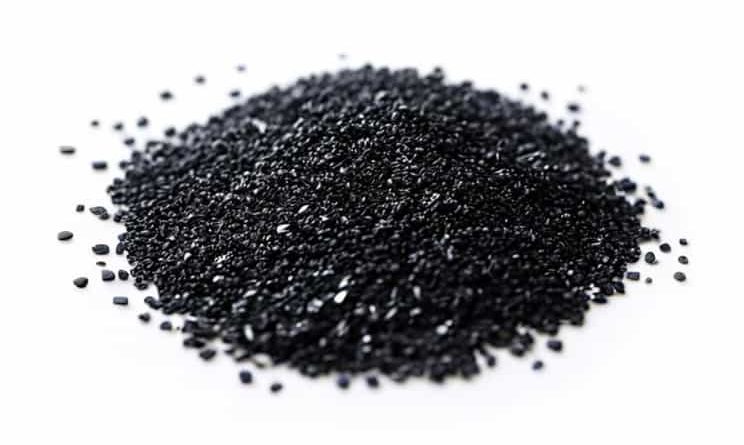
Are Iron Filings A Pure Substance
Iron filings are a commonly discussed material in chemistry and physics, often used in experiments to demonstrate magnetic fields, chemical reactions, and physical properties of metals. They are tiny ptopics or shavings of iron metal, usually obtained by filing a piece of iron. A frequent question that arises in science education is whether iron filings constitute a pure substance. Understanding this requires a closer look at what defines a pure substance, the characteristics of iron filings, and how impurities and physical properties influence their classification.
Understanding Pure Substances
In chemistry, a pure substance is a material that consists of only one type of ptopic or chemical element throughout, with consistent properties and a uniform composition. Pure substances can be classified into elements and compounds. Elements are substances made up of only one type of atom, such as iron (Fe), gold (Au), or oxygen (O2). Compounds consist of two or more different elements chemically bonded in fixed proportions, like water (H2O) or sodium chloride (NaCl). For a substance to be considered pure, it must not contain any contaminants or mixtures of other substances.
Properties of Pure Substances
- Uniform chemical composition throughout
- Consistent physical properties, such as melting point, density, and color
- Cannot be separated into other substances by physical means
- Maintains the same chemical identity regardless of sample size
Characteristics of Iron Filings
Iron filings are composed primarily of iron metal, which is an element. In a controlled laboratory setting, iron filings made from pure iron can be considered a pure substance because they consist of only iron atoms. However, in real-world applications, the purity of iron filings often depends on how they were produced and handled. Commercially available iron filings may contain trace amounts of other metals, oils from machinery, or dust ptopics from the environment. These impurities can affect whether iron filings are considered truly pure.
Physical Appearance and Magnetic Properties
Iron filings are small, metallic ptopics with a characteristic grayish-silver color. They exhibit strong magnetic properties, which is why they are commonly used in experiments to visualize magnetic fields. The filings align along magnetic field lines when exposed to a magnet, making patterns that help illustrate the invisible forces at work. These physical properties are consistent with elemental iron, but the presence of impurities can slightly alter magnetic behavior or color.
Chemical Reactivity
Iron filings are reactive, particularly with oxygen and water, leading to the formation of rust (iron oxide). Pure iron filings react in predictable ways in chemical experiments, such as reacting with acids to produce hydrogen gas. The chemical properties of iron filings provide insight into their composition, and any deviations from expected reactions may indicate the presence of other substances.
Factors Affecting Purity
Several factors determine whether iron filings can be classified as a pure substance
- Source of IronLaboratory-grade iron filings produced from refined iron are likely to be much purer than industrial filings.
- ContaminationDust, oil, and other metal shavings can contaminate iron filings, making them a mixture rather than a pure substance.
- OxidationExposure to air and moisture can cause surface oxidation, creating a thin layer of iron oxide on the filings, which introduces a compound to the surface.
- Handling and StorageImproper storage in a non-controlled environment may lead to mixing with other substances, affecting purity.
Experimental Considerations
When determining whether iron filings are pure, scientists often conduct tests to measure physical and chemical properties. Magnetic response, melting point, density, and chemical reactivity are indicators of purity. In controlled experiments, using freshly prepared or high-purity iron filings ensures consistent results. Teachers and students performing classroom experiments must be aware that commercially available filings may contain minor impurities that do not significantly affect simple demonstrations but are relevant in precise chemical analyses.
Visualizing Purity in the Lab
One common demonstration is to sprinkle iron filings around a magnet to observe the magnetic field. If the filings are relatively pure, they respond predictably, forming smooth lines along the field. If impurities are present, some ptopics may not align correctly or may introduce irregularities. In chemical tests, such as reaction with hydrochloric acid, pure iron filings will produce hydrogen gas and form iron chloride in a predictable manner, whereas impure filings might yield slower or inconsistent reactions.
Comparison with Other Substances
To understand the classification of iron filings, it helps to compare them with other materials. A block of pure iron metal is an elemental pure substance because it consists entirely of iron atoms. In contrast, steel filings, which contain iron and carbon, are not a pure substance because they are an alloy composed of multiple elements. Similarly, filings contaminated with oil or dust are considered mixtures rather than pure substances. Therefore, the context and source of the filings are crucial when determining purity.
Implications for Scientific Use
Understanding whether iron filings are a pure substance is important for scientific experiments, material science research, and educational demonstrations. Using high-purity iron filings ensures reliable results and accurate observations. In industrial and commercial settings, the presence of minor impurities is often acceptable for applications like magnetic demonstrations or artistic purposes. For precise chemical analysis, however, purity levels must be verified through laboratory techniques such as spectroscopy or chemical assays.
Iron filings can be considered a pure substance if they consist entirely of iron atoms and are free from contaminants such as oils, dust, or other metals. In laboratory settings where high-purity iron is used, filings demonstrate uniform chemical and physical properties consistent with elemental iron. However, commercially available or industrially produced iron filings may contain minor impurities, making them technically a mixture rather than a pure substance. The classification of iron filings depends on their source, handling, and intended use. Understanding these factors is essential for both educational and scientific applications, ensuring accurate results and a proper grasp of the concept of purity in chemistry.