Are Iron Filings Magnetic
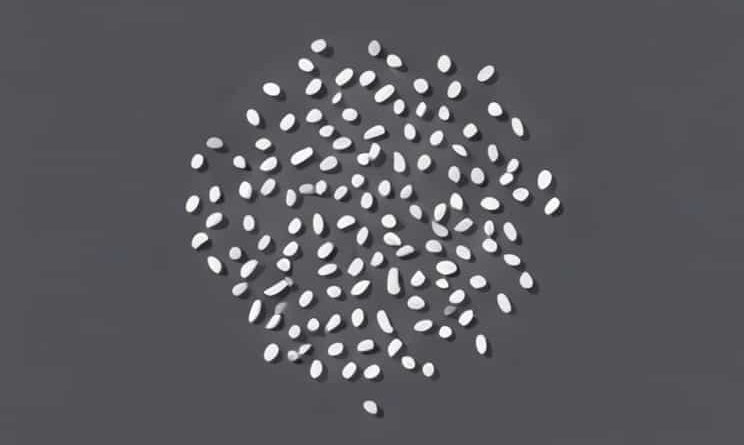
Iron filings are tiny fragments of iron that are often used in science experiments to visualize magnetic fields. They have fascinated students and researchers alike because of their unique response to magnets. Many people wonder whether iron filings themselves are magnetic, and understanding this phenomenon requires exploring the properties of iron, magnetism, and how materials interact with magnetic fields. Iron filings provide a clear, visible way to observe the invisible forces of magnetism, helping explain fundamental physics concepts in an accessible way for learners of all ages.
What Are Iron Filings?
Iron filings are small, powdered pieces of iron, typically created by filing or grinding larger pieces of iron. Because of their small size, they can move freely and align easily when exposed to a magnetic field. This property makes them ideal for classroom demonstrations and laboratory experiments. When sprinkled near a magnet, iron filings often form patterns that reveal the shape and direction of magnetic field lines. This visual representation allows people to see how magnetic forces act in space, bridging the gap between abstract physics concepts and tangible observation.
Magnetic Properties of Iron
Iron is a ferromagnetic material, which means it can be magnetized and strongly attracted to magnets. Ferromagnetism arises from the alignment of magnetic domains within the material, where groups of atomic magnetic moments point in the same direction. In solid iron, these domains can be aligned to create a net magnetic effect. This intrinsic property of iron is the key reason iron filings interact so noticeably with magnetic fields. Even when broken into tiny filings, the fundamental ferromagnetic nature of iron remains, although the strength of individual filings may be less than that of a solid chunk.
Are Iron Filings Magnetic?
Iron filings themselves are not permanently magnetic in most cases, meaning they do not retain magnetism after the external magnetic field is removed. However, they are strongly attracted to magnets because they are made of ferromagnetic material. When brought close to a magnet, the domains in the iron filings align temporarily, allowing them to be influenced and move according to the magnetic field. This property is called induced magnetism. Essentially, iron filings act like tiny magnets when in the presence of a magnetic field, but they generally lose their magnetization when the field is removed.
Induced Magnetism in Iron Filings
Induced magnetism occurs when a non-permanent magnetizable material, like iron filings, is exposed to an external magnetic field. The magnetic domains inside the filings align with the field, creating temporary magnetic poles. This alignment causes the filings to move toward the source of the magnetic field, making them an excellent visual tool for observing field patterns. Induced magnetism explains why iron filings appear to stick to magnets or form distinct shapes along field lines. While the effect is temporary, it demonstrates the basic principles of how materials can respond to magnetic forces.
How Iron Filings Show Magnetic Fields
One of the most common uses of iron filings is to visualize magnetic fields. When placed near a bar magnet or other magnetic sources, the filings arrange themselves along the invisible field lines, revealing the shape and strength of the field. This occurs because each tiny filing becomes a temporary magnet under the influence of the external field. The filings’ north and south poles align with the magnetic forces, creating chains and patterns that outline the field’s structure. These patterns are particularly dense near the magnet’s poles, where the magnetic force is strongest, and spread out where the force is weaker.
Practical Experiments with Iron Filings
Iron filings are frequently used in educational settings to demonstrate magnetism. Simple experiments can show how the filings respond to bar magnets, horseshoe magnets, or even electromagnets. By sprinkling filings on a piece of paper and placing a magnet underneath, students can observe the field lines directly. This hands-on approach helps explain abstract concepts like magnetic flux, pole attraction, and field strength. Additionally, experiments with iron filings can reveal how multiple magnets interact, how fields combine, and how shielding affects the magnetic field.
Safety and Handling
While iron filings are useful, they must be handled carefully. Being fine ptopics, they can be inhaled or get into eyes, which may be harmful. It’s recommended to use iron filings under supervision, in well-ventilated areas, and with appropriate protective equipment such as gloves and goggles. Clean-up should be done carefully because filings can stick to magnets or metal surfaces easily. Proper handling ensures that experiments with iron filings are both safe and educational.
Difference Between Permanent and Temporary Magnetism
It is important to distinguish between permanent magnets and materials like iron filings that exhibit temporary magnetism. Permanent magnets retain their magnetic properties over time due to the stable alignment of magnetic domains. Iron filings, on the other hand, usually demonstrate temporary magnetism. They respond to external magnetic fields but do not maintain their magnetization once the field is removed. This difference explains why iron filings are attracted to magnets but generally cannot hold a magnetic field themselves without being specially treated or magnetized.
Applications Beyond Education
Iron filings are not only used in classrooms but also in industrial and scientific applications. They are used in magnetic testing to detect flaws in metal structures, as well as in certain filtration systems where magnetic separation is required. Their sensitivity to magnetic fields allows for precise detection and analysis of magnetic behavior. In engineering and physics research, iron filings can help visualize complex magnetic field interactions that are otherwise difficult to measure.
Iron filings are composed of iron, a ferromagnetic material, which makes them highly responsive to magnetic fields. While they are not typically permanent magnets, they exhibit induced magnetism when exposed to a magnetic field, temporarily behaving like tiny magnets. This property allows them to visually demonstrate magnetic field lines and the behavior of magnetism in a clear and engaging way. Whether used in education, research, or practical applications, iron filings remain a powerful tool for understanding and observing magnetic phenomena. By studying how iron filings interact with magnets, learners can gain insight into fundamental physics concepts, bridging the gap between theoretical principles and real-world observation.