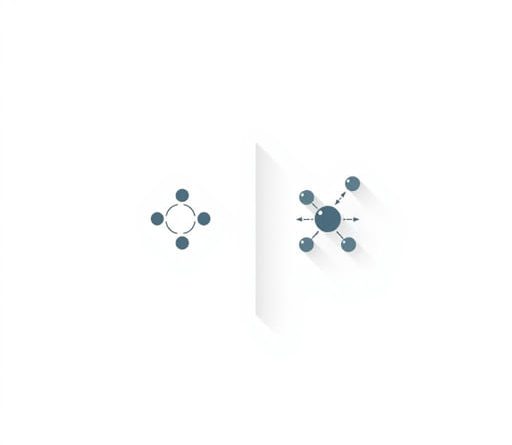
Associate And Dissociate In Chemistry
Chemistry is full of processes that describe how atoms, ions, and molecules interact, combine, and separate. Two fundamental concepts that frequently appear in chemical reactions are association and dissociation. These processes play a crucial role in understanding solutions, ionic compounds, acids, bases, and many biochemical reactions. By examining how substances associate and dissociate, chemists can predict the behavior of solutions, understand reaction mechanisms, and even design drugs and industrial chemicals. Both concepts involve changes at the molecular level, and the balance between them is critical for reactions to proceed efficiently.
Understanding Association in Chemistry
Association, also known as molecular association, refers to the process by which two or more molecules, atoms, or ions combine to form a larger complex. This process often involves non-covalent interactions such as hydrogen bonding, van der Waals forces, ionic interactions, or coordination bonds. Association is commonly observed in solutions, especially in polar solvents like water, where molecules may cluster together due to attractive forces.
Examples of Association
- Hydrogen BondingWater molecules associate with each other through hydrogen bonds, creating a network that accounts for water’s high boiling point and surface tension.
- Ion PairingIn solutions, cations and anions may temporarily associate to form ion pairs, which can affect the conductivity and reactivity of the solution.
- Protein FoldingIn biochemistry, amino acids in a polypeptide chain associate through hydrogen bonds and hydrophobic interactions to form the three-dimensional structure of proteins.
- Complex FormationMetal ions can associate with ligands to form coordination complexes, which are crucial in catalysis and biochemical processes.
The Concept of Dissociation
Dissociation is the reverse process of association, where a molecule, compound, or ion breaks apart into smaller units such as ions, atoms, or simpler molecules. Dissociation is a key concept in understanding acids, bases, salts, and electrolytes. It is influenced by factors such as temperature, solvent properties, and concentration. Dissociation allows substances to conduct electricity, participate in chemical reactions, and maintain chemical equilibrium in biological and industrial systems.
Examples of Dissociation
- Salt DissociationCommon table salt (NaCl) dissociates in water to form sodium (Na⁺) and chloride (Cl⁻) ions, enabling the solution to conduct electricity.
- Acid DissociationStrong acids like hydrochloric acid (HCl) dissociate completely in water to release hydrogen ions (H⁺) and chloride ions (Cl⁻).
- Base DissociationBases such as sodium hydroxide (NaOH) dissociate in water to produce hydroxide ions (OH⁻) and sodium ions (Na⁺).
- Weak Electrolyte DissociationWeak acids and bases only partially dissociate, establishing an equilibrium between the associated and dissociated forms.
The Relationship Between Association and Dissociation
Association and dissociation are often opposing processes that occur simultaneously, especially in solutions. The balance between these two processes can determine the concentration of free ions, the strength of acids and bases, and the stability of complexes. Chemists study this equilibrium to understand reaction dynamics, solubility, and biochemical pathways.
Chemical Equilibrium
In many chemical systems, the processes of association and dissociation reach a state of dynamic equilibrium, where the rates of association and dissociation are equal. At equilibrium, the concentration of associated species and dissociated ions remains constant over time, even though individual molecules continue to associate and dissociate. This concept is crucial in acid-base chemistry, buffer solutions, and solubility equilibria.
Factors Affecting Association and Dissociation
Several factors influence the tendency of molecules to associate or dissociate, including
- ConcentrationHigher concentrations can favor association because molecules collide more frequently.
- TemperatureIncreasing temperature often promotes dissociation by providing energy to overcome attractive forces between molecules.
- Solvent PropertiesPolar solvents like water can stabilize ions, promoting dissociation, while nonpolar solvents may encourage association.
- PressureIn gaseous systems, higher pressure can favor association by forcing molecules closer together.
- pH and Ionic StrengthIn aqueous solutions, the presence of other ions or changes in pH can shift the balance between association and dissociation, especially in weak acids and bases.
Applications of Association and Dissociation in Chemistry
Understanding association and dissociation is critical for numerous applications in chemistry, biology, and industry. These processes are central to the behavior of electrolytes, biological molecules, and chemical reactors.
In Analytical Chemistry
Many analytical techniques, such as titrations and conductivity measurements, rely on the dissociation of acids, bases, and salts. Proper knowledge of association-dissociation equilibria ensures accurate determination of concentrations and reaction stoichiometry.
In Biochemistry
Association and dissociation processes govern the function of proteins, enzymes, DNA, and RNA. For example, enzyme-substrate complexes form through association, and product release occurs via dissociation. Similarly, hydrogen bonding in DNA strands represents a form of association that can be disrupted during replication.
In Industrial Chemistry
Many industrial processes, such as the production of fertilizers, pharmaceuticals, and polymerization reactions, require careful control of association and dissociation. For instance, controlling the dissociation of acids and bases in a reactor can influence reaction yields and product purity.
Associate and dissociate are fundamental concepts in chemistry that describe how molecules, ions, and atoms interact and separate. Association involves the formation of larger complexes through attractive forces, while dissociation refers to the breaking apart of compounds into smaller units. Both processes are influenced by factors such as temperature, concentration, solvent properties, and pressure. The interplay between association and dissociation underpins chemical equilibrium, solution chemistry, and biological processes. By understanding these concepts, chemists can predict reaction behavior, design experiments, and apply chemical principles to real-world challenges, from medicine to industrial manufacturing.