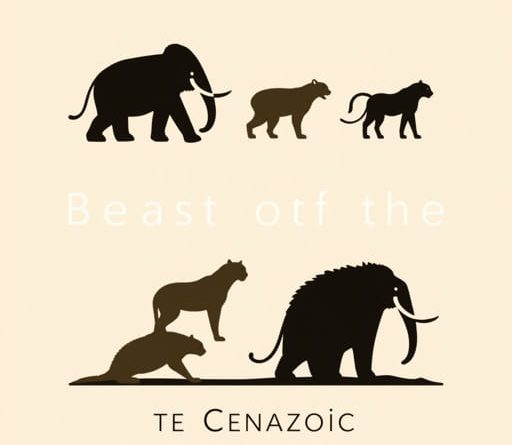
Beasts Of The Cenozoic
The Cenozoic Era, often referred to as the Age of Mammals,” marks a significant period in Earth’s history, beginning around 66 million years ago and continuing to the present day. This era followed the mass extinction event that ended the reign of the dinosaurs, opening ecological niches for new species to evolve and dominate. The beasts of the Cenozoic showcase an incredible variety of adaptations, sizes, and behaviors, reflecting the dynamic changes in climate, geography, and ecosystems over millions of years. From towering mammalian predators to giant herbivores and even early primates, this era provides a fascinating glimpse into how life on Earth diversified after the Mesozoic period.
Introduction to Cenozoic Fauna
The Cenozoic Era is divided into three main periods the Paleogene, Neogene, and Quaternary. Each of these periods experienced unique evolutionary trends and climatic shifts that influenced the rise and fall of various animal species. During the Paleogene, mammals began to radiate rapidly, taking over ecological roles previously occupied by dinosaurs. By the Neogene, many modern mammal families had appeared, and the Earth saw the emergence of large grazing herds and predatory species that shaped ecosystems. The Quaternary period, which includes the present day, introduced humans and their impact on megafauna, including the extinction of many large animals.
Early Cenozoic Beasts
After the extinction of the dinosaurs, mammals that had previously been small and nocturnal began to grow larger and occupy new ecological roles. Some of the most notable early Cenozoic mammals include
- HyaenodontsPredatory mammals resembling modern hyenas and big cats, dominating the early Cenozoic food chains.
- PhenacodontsAmong the earliest large herbivores, they evolved into diverse lineages, eventually giving rise to modern ungulates.
- PrimatesSmall tree-dwelling mammals that diversified, laying the groundwork for future human evolution.
These early mammals displayed rapid diversification, adapting to changing climates and the absence of large reptilian predators. They were crucial in establishing the foundations of modern mammalian ecosystems.
Giant Herbivores of the Cenozoic
One of the most remarkable features of the Cenozoic is the emergence of giant herbivores. These species grew to enormous sizes, often as a response to predation pressure and competition for resources. Examples include
- ParaceratheriumKnown as one of the largest land mammals to have ever existed, this hornless rhinoceros-like creature could reach up to 7.4 meters in length and weigh over 15 tons.
- Mastodons and MammothsMembers of the elephant family that thrived in the Quaternary period, adapting to colder climates with thick fur and specialized teeth for grazing.
- Giant Ground SlothsEnormous herbivores of South America, capable of reaching heights over 6 meters when standing upright.
These massive herbivores played a key role in shaping vegetation patterns, dispersing seeds, and interacting with predators, which in turn influenced the evolution of the surrounding ecosystems.
Predatory Mammals and Apex Hunters
The Cenozoic also saw the rise of diverse predatory mammals that filled ecological niches once occupied by large carnivorous dinosaurs. Some notable predators include
- Sabre-toothed cats (Smilodon)These fearsome predators used their elongated canine teeth to hunt large herbivores efficiently, demonstrating specialized hunting strategies.
- Bears and WolvesVarious bear species evolved into dominant omnivores and predators, while wolves and related canids developed sophisticated pack-hunting behaviors.
- CreodontsAlthough they eventually went extinct, these early predators were crucial in maintaining ecological balance during the Paleogene and Neogene.
The predatory pressure exerted by these mammals influenced herbivore behavior and morphology, driving an evolutionary arms race that shaped the Cenozoic landscape.
Marine Beasts of the Cenozoic
While terrestrial mammals evolved dramatically, the oceans also hosted a remarkable array of marine beasts during the Cenozoic. Cetaceans, including whales and dolphins, evolved from land-dwelling ancestors into fully aquatic forms. Highlights include
- BasilosaurusOne of the earliest fully aquatic whales, reaching lengths of over 18 meters, dominating early Cenozoic oceans.
- MegalodonA giant predatory shark that existed during the Neogene, growing up to 18 meters and preying on large marine mammals.
- SireniansSea cows, including manatees and dugongs, which adapted to warm coastal waters and fed on aquatic vegetation.
Marine adaptations during the Cenozoic highlight the incredible versatility of mammals and other vertebrates in exploiting diverse habitats, from land to sea.
Avian and Small Vertebrate Evolution
Birds and small vertebrates also flourished during the Cenozoic. Modern bird families diversified, filling ecological niches left vacant by extinct reptiles. Examples include
- RaptorsBirds of prey evolved into diverse forms capable of hunting mammals and other birds.
- Flightless BirdsSuch as terror birds in South America, which were apex predators before the arrival of large mammalian predators.
- Rodents and LagomorphsSmall mammals that thrived in various environments, providing food for larger predators and influencing vegetation dynamics.
These small creatures played essential roles in Cenozoic ecosystems, ensuring balance and contributing to evolutionary pressures on larger species.
Impact of Climate and Geography
Climate and geography heavily influenced the evolution of Cenozoic beasts. Shifts in temperature, sea levels, and continental positions created new habitats and migration routes. For instance
- Glacial and interglacial cycles in the Quaternary shaped the distribution of megafauna.
- Mountain formation and tectonic shifts influenced local climates, driving adaptive evolution in isolated populations.
- Changes in vegetation patterns forced herbivores to adapt teeth, digestive systems, and behaviors for survival.
The interplay between environment and evolution underscores why Cenozoic mammals and other creatures exhibit such diverse forms and lifestyles.
Extinctions and Evolutionary Legacies
Throughout the Cenozoic, many species went extinct due to climate changes, human activity, or competition. Iconic examples include the woolly mammoth and the giant ground sloth. However, these extinctions often paved the way for new species to evolve, ensuring continued diversification. Modern mammals, birds, and marine species owe their existence to the evolutionary experimentation that occurred during this era.
The beasts of the Cenozoic illustrate the resilience and adaptability of life on Earth. From the massive herbivores and specialized predators to marine giants and small vertebrates, this era highlights a remarkable period of evolutionary experimentation. By studying these creatures, scientists can better understand how climate, geography, and ecological interactions shape life over millions of years. The legacy of the Cenozoic continues to influence modern ecosystems, offering insights into evolution, adaptation, and survival in a changing world.