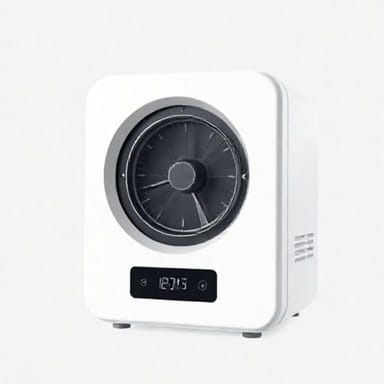
Best Centrifuge Machine For Prp
Platelet-rich plasma (PRP) therapy has gained significant popularity in recent years for its applications in regenerative medicine, dermatology, orthopedics, and aesthetic procedures. Central to the preparation of PRP is the use of a high-quality centrifuge machine, which separates platelets from whole blood efficiently and safely. The selection of the best centrifuge machine for PRP can have a direct impact on the concentration and quality of platelets, influencing the therapeutic outcomes. Understanding the essential features, types, and specifications of centrifuge machines is crucial for clinics and practitioners who aim to provide reliable and effective PRP treatments.
Understanding PRP and Its Requirements
Platelet-rich plasma is derived from a patient’s own blood and contains a higher concentration of platelets than normal blood levels. These platelets release growth factors that aid in tissue repair, wound healing, and hair or skin rejuvenation. To produce PRP, blood must be processed under controlled conditions using a centrifuge that separates the plasma and platelets from red and white blood cells. The efficiency of this process depends on the centrifuge machine’s speed, rotor type, and duration of centrifugation.
Importance of Centrifuge Quality
A reliable centrifuge machine ensures uniform platelet concentration, minimal contamination, and reproducibility across different batches of PRP. Poor-quality centrifuges may produce inconsistent platelet counts, which can compromise the efficacy of PRP therapy. Therefore, clinics must prioritize factors such as speed control, rotor type, safety features, and ease of use when selecting a centrifuge for PRP preparation.
Key Features of the Best Centrifuge Machines for PRP
When evaluating centrifuge machines, several features determine their suitability for PRP applications. These include
Adjustable Speed and Time Settings
- Variable speed control allows precise adjustment of revolutions per minute (RPM) to optimize platelet separation.
- Programmable timers ensure consistent centrifugation duration for reproducible results.
Rotor Type and Capacity
- Fixed-angle rotors are commonly used for rapid separation of platelets.
- Swing-out rotors provide gentle separation, reducing platelet damage.
- Tube capacity must match the volume of blood typically processed in a clinical setting, ranging from 10 mL to 50 mL tubes.
Safety Features
- Lid-lock mechanisms prevent operation when the lid is open, ensuring operator safety.
- Imbalance detection systems automatically stop the centrifuge if tubes are unevenly loaded.
- Stable construction minimizes vibrations and reduces noise during operation.
User-Friendly Interface
- Digital displays with clear controls simplify speed and time adjustments.
- Memory functions allow storage of preset programs for different PRP protocols.
- Compact and ergonomic design facilitates integration into clinic settings.
Types of Centrifuge Machines for PRP
Several types of centrifuge machines are available for PRP preparation, each with advantages and limitations
Benchtop Centrifuges
These are commonly used in clinics and small laboratories. They are compact, easy to operate, and suitable for processing small to moderate volumes of blood. Benchtop centrifuges often include digital controls and safety features, making them ideal for routine PRP preparation.
High-Speed Centrifuges
High-speed centrifuges operate at higher RPMs and can achieve faster separation of platelets from blood components. They are suitable for clinics that process multiple samples simultaneously and require consistent high-quality PRP. However, improper use may damage platelets, so training and calibration are essential.
Double-Spin Centrifuges
Some PRP protocols require a two-step centrifugation process to achieve a higher platelet concentration. Double-spin centrifuges are designed to perform both soft spin and hard spin steps with programmable settings. These machines are ideal for advanced PRP therapy where precise platelet enrichment is crucial.
Factors to Consider When Choosing a Centrifuge for PRP
Choosing the best centrifuge for PRP requires careful consideration of several factors beyond technical specifications
Quality and Reliability
Invest in centrifuge machines from reputable manufacturers with proven reliability and after-sales support. Reliable machines reduce the risk of mechanical failure and ensure consistent PRP quality.
Ease of Maintenance
Regular maintenance is necessary to keep centrifuge machines functioning optimally. Machines with simple maintenance procedures, accessible parts, and easy cleaning options save time and reduce operational costs.
Cost and Value
While advanced centrifuges may have higher upfront costs, their durability, safety features, and precision often justify the investment. Clinics should weigh cost against long-term value and clinical outcomes.
Regulatory Compliance
Centrifuge machines should comply with relevant medical device regulations and standards to ensure safety and efficacy. FDA or CE approval is often required for devices used in clinical PRP preparation.
Top Centrifuge Machines for PRP Applications
Several centrifuge models are widely recommended for PRP preparation due to their performance, reliability, and ease of use. Clinics may choose machines based on their volume requirements and preferred protocols. Popular options include benchtop centrifuges with programmable settings, double-spin capable machines, and high-speed rotors that preserve platelet integrity. Selecting a machine with digital controls, safety features, and a compatible rotor design ensures high-quality PRP production consistently.
PRP Protocol Compatibility
Different clinics follow various PRP protocols depending on the treatment area, patient condition, and platelet concentration goals. The best centrifuge machine should accommodate soft spin, hard spin, and double-spin techniques without compromising platelet viability. Programmable settings and preloaded programs streamline the preparation process and reduce operator error.
Maintaining PRP Quality
Beyond selecting the best centrifuge, proper handling of blood samples and PRP is essential. Use sterile tubes, minimize time from blood collection to centrifugation, and avoid excessive force during separation to prevent platelet activation. Regular calibration and validation of centrifuge machines ensure that platelet yield and concentration remain consistent.
The best centrifuge machine for PRP is one that combines reliability, precision, safety, and user-friendly features to deliver high-quality platelet-rich plasma for clinical applications. Key considerations include adjustable speed and time settings, rotor type, safety features, and compliance with medical standards. Benchtop, high-speed, and double-spin centrifuges each offer distinct advantages for different clinical needs. Investing in a high-quality centrifuge, maintaining proper protocols, and following manufacturer guidelines ensures consistent PRP quality, which is essential for effective regenerative therapy, dermatology, and orthopedic treatments. Clinics aiming to provide the best patient outcomes should prioritize centrifuge machines that enhance PRP preparation accuracy, reproducibility, and safety.