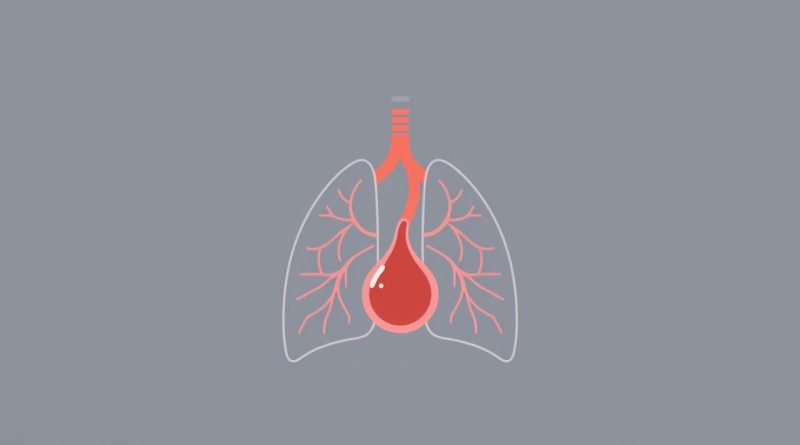
Blood Clot Bronchial Tree
When a blood clot forms within the bronchial tree, it can create a medical situation that requires urgent attention. The bronchial tree refers to the branching network of airways inside the lungs, beginning with the trachea and dividing into bronchi and smaller bronchioles. A blood clot in this structure is unusual but can occur due to trauma, surgery, certain lung diseases, or bleeding disorders. Understanding how a clot develops in the bronchial passages, the potential risks, and available treatments can help patients and caregivers recognize the signs early and seek prompt medical care.
Understanding the Bronchial Tree
The bronchial tree is an intricate airway system responsible for directing air from the trachea into the lungs. It consists of
- Main bronchi– large branches leading from the trachea into each lung.
- Lobar bronchi– secondary branches that direct airflow into specific lobes of the lungs.
- Segmental bronchi– smaller divisions that distribute air deeper into lung regions.
- Bronchioles– tiny airways ending in alveoli, where gas exchange occurs.
Because the bronchial tree is lined with delicate mucosa and blood vessels, injury or certain conditions can lead to bleeding. If blood accumulates and clots in this area, it can partially or completely block airflow.
How a Blood Clot Forms in the Bronchial Tree
Blood clots in the bronchial tree often develop after internal bleeding in the airway. This bleeding may be caused by physical trauma, invasive medical procedures, chronic lung inflammation, or diseases such as bronchiectasis and lung cancer. As the blood pools within the airway, the body’s natural clotting process works to stop the bleeding, resulting in a thickened mass that can obstruct airflow.
Common causes include
- Post-surgical complications– especially after lung or heart surgery.
- Trauma to the chest or airway– leading to ruptured blood vessels.
- Severe respiratory infections– which weaken blood vessel walls.
- Tumors or abnormal growths– which can erode into blood vessels.
- Blood clotting disorders– increasing the risk of uncontrolled clot formation.
Symptoms of a Blood Clot in the Bronchial Tree
The presence of a blood clot in the bronchial tree can cause sudden or progressive breathing difficulties. The symptoms can vary depending on the size and location of the clot but may include
- Coughing up blood (hemoptysis)
- Sudden shortness of breath
- Wheezing or noisy breathing
- Chest discomfort or pain
- In severe cases, complete airway blockage and respiratory distress
Potential Risks and Complications
If left untreated, a blood clot in the bronchial tree can lead to serious consequences. Airway obstruction prevents oxygen from reaching the lungs, which may result in hypoxia and organ damage. Additionally, the trapped clot can become a source of infection or cause localized lung collapse (atelectasis). In some cases, repeated clots or ongoing bleeding signal an underlying condition that needs further investigation.
Diagnosis of a Blood Clot in the Bronchial Tree
Doctors use a combination of clinical evaluation, imaging, and direct airway examination to diagnose a bronchial clot. Common diagnostic tools include
- Chest X-ray– to detect lung collapse or fluid buildup.
- CT scan– providing a detailed image of airway structures.
- Bronchoscopy– using a flexible tube with a camera to visualize the clot directly and sometimes remove it.
- Blood tests– to check clotting function and detect signs of infection.
Treatment Options
The choice of treatment depends on the clot’s size, location, and cause. The primary goals are to restore airflow, stop any ongoing bleeding, and address the underlying condition.
Common treatments include
- Bronchoscopic removal– A minimally invasive procedure where doctors use specialized tools to remove or break up the clot.
- Suctioning– To clear the airway and allow normal breathing.
- Medication– Such as antifibrinolytic drugs to control bleeding or antibiotics if an infection is present.
- Surgery– In rare cases, surgical intervention may be needed for large or inaccessible clots.
Prevention and Long-Term Care
While not all cases can be prevented, certain measures can reduce the risk of developing a blood clot in the bronchial tree
- Careful monitoring after chest or lung surgery.
- Prompt treatment of respiratory infections.
- Avoiding chest trauma through protective measures.
- Managing chronic lung conditions effectively.
- Regular medical check-ups for individuals with clotting disorders.
Recovery and Prognosis
Recovery depends on how quickly the clot is detected and treated. Many patients recover fully if the obstruction is cleared promptly and the bleeding source is managed. However, individuals with underlying lung disease may require longer-term respiratory therapy and follow-up care to prevent recurrence.
Key Takeaways
- A blood clot in the bronchial tree is a rare but potentially dangerous condition.
- It can arise from trauma, surgery, lung disease, or bleeding disorders.
- Symptoms include coughing blood, shortness of breath, and wheezing.
- Prompt diagnosis and removal of the clot are critical to restoring normal breathing.
- Preventive measures focus on protecting airway health and managing underlying risks.
Understanding the dangers of a blood clot in the bronchial tree and seeking immediate medical help when symptoms appear can make a significant difference in outcomes. With timely treatment, most patients can return to normal breathing and avoid long-term complications.