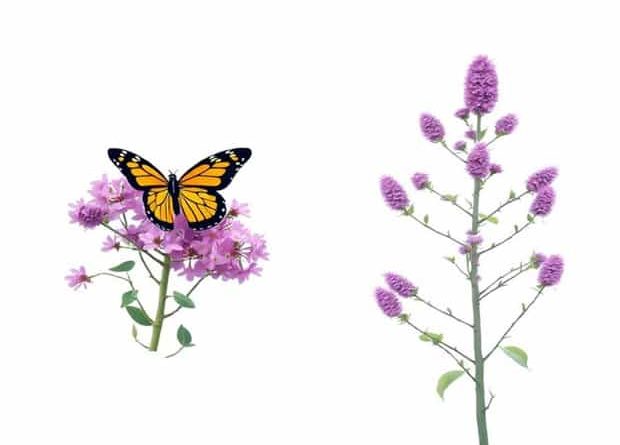
Butterfly Bush Vs Chaste Tree
When planning a garden or landscaping project, choosing the right plants can make a significant difference in aesthetics, maintenance, and environmental impact. Two popular choices for gardeners seeking visually appealing and functional plants are the butterfly bush and the chaste tree. Both are admired for their attractive flowers and ability to draw pollinators, yet they differ significantly in growth habits, maintenance requirements, and ecological effects. Understanding these differences helps gardeners make informed decisions when selecting between a butterfly bush and a chaste tree for their outdoor spaces.
Overview of Butterfly Bush
The butterfly bush, scientifically known asBuddleja davidii, is a deciduous shrub renowned for its long, fragrant flower spikes that attract butterflies, bees, and hummingbirds. Native to China and Japan, it has become widely popular in gardens across temperate regions due to its vibrant blooms and easy care. The plant typically grows between 5 and 10 feet tall, with an equal spread, and produces clusters of flowers in shades of purple, pink, white, and blue. Its primary appeal lies in its ability to support pollinators while providing a striking visual display during the growing season.
Key Characteristics of Butterfly Bush
- FloweringLong, cone-shaped clusters that bloom from summer to fall.
- Growth HabitFast-growing, often reaching mature size within a few years.
- Sun RequirementsThrives in full sun with well-draining soil.
- MaintenanceRequires pruning to maintain shape and encourage reblooming.
- Ecological ImpactAttracts butterflies and other pollinators, though it can be invasive in some areas.
Overview of Chaste Tree
The chaste tree, orVitex agnus-castus, is a deciduous shrub or small tree native to the Mediterranean region and western Asia. It is highly valued for its aromatic leaves and spikes of purple-blue flowers that bloom during the summer months. The chaste tree typically grows between 10 and 20 feet tall and has a more tree-like structure compared to the bushy form of the butterfly bush. Its fragrant flowers attract bees, butterflies, and other pollinators, making it an excellent choice for pollinator-friendly gardens.
Key Characteristics of Chaste Tree
- FloweringLong, spiked clusters of purple-blue flowers appearing in summer.
- Growth HabitCan develop into a small tree with a central trunk or remain a multi-stemmed shrub.
- Sun RequirementsPrefers full sun and well-drained soil, tolerant of drought once established.
- MaintenanceLow-maintenance; occasional pruning to shape or remove dead wood is sufficient.
- Ecological ImpactSupports pollinators and wildlife, generally non-invasive in most regions.
Comparison Butterfly Bush vs Chaste Tree
While both plants are admired for their flowers and attractiveness to pollinators, they differ in several key aspects. The butterfly bush is faster-growing and often more compact, making it suitable for hedges or garden borders. In contrast, the chaste tree has a larger growth potential and can serve as a focal point or shade tree in a landscape. Gardeners should consider growth habit, lifespan, and environmental concerns when choosing between these two species.
Growth and Size
The butterfly bush generally reaches 5 to 10 feet in height and spread, with a rounded, bushy form. Its fast growth means it can quickly fill space in a garden, but it also requires regular pruning to prevent overgrowth. The chaste tree, however, grows taller, typically 10 to 20 feet, and can develop a tree-like appearance. Its slower growth rate makes it easier to manage for long-term planning but requires sufficient space to accommodate its larger size.
Flowering and Pollinators
Both plants produce attractive flowers that draw pollinators. Butterfly bushes bloom from summer to fall with long, colorful spikes, providing continuous food for butterflies. Chaste trees produce fragrant purple-blue flower spikes in summer, attracting bees, butterflies, and other beneficial insects. While both are excellent for pollinator gardens, the butterfly bush may offer a longer flowering period, whereas the chaste tree contributes more robust structural interest.
Maintenance and Care
The butterfly bush requires more maintenance due to its fast growth and tendency to self-seed, which can lead to invasiveness in some regions. Pruning spent flowers and shaping the shrub is essential to promote reblooming. The chaste tree, by contrast, is relatively low-maintenance. It tolerates drought, requires minimal pruning, and is generally well-behaved in a garden setting. This makes it a practical choice for gardeners seeking a long-term, low-effort plant.
Environmental Considerations
One of the critical differences between the two plants is their environmental impact. Butterfly bushes can become invasive in certain climates, spreading aggressively through seeds and outcompeting native species. Gardeners should check local guidelines before planting to prevent ecological issues. Chaste trees, however, are typically non-invasive and provide habitat and food for pollinators without significant ecological disruption, making them a more environmentally friendly option for sustainable gardens.
Landscape Uses
Gardeners can utilize both plants in creative ways depending on their design goals. Butterfly bushes are ideal for borders, hedges, and containers, providing quick color and attracting pollinators to specific areas. Their compact form makes them versatile in smaller gardens or formal landscapes. Chaste trees, with their taller, tree-like structure, serve as focal points, privacy screens, or accents in larger spaces. Their fragrant flowers and attractive foliage add interest and provide shade in suitable landscapes.
Design Tips
- Plant butterfly bushes in sunny areas with well-drained soil, spacing them to allow for growth and airflow.
- Prune butterfly bushes annually to encourage reblooming and prevent invasiveness.
- Position chaste trees in areas where their height and spread will not interfere with structures or other plants.
- Combine chaste trees with perennials or ground covers to create layered, pollinator-friendly landscapes.
- Consider mixing both plants in large gardens for variety in height, texture, and flowering season.
Both the butterfly bush and the chaste tree offer unique benefits and characteristics that can enhance any garden or landscape. The butterfly bush is fast-growing, colorful, and highly attractive to butterflies, though it may require more maintenance and monitoring for invasiveness. The chaste tree grows taller, offers fragrant summer flowers, and is generally low-maintenance and environmentally friendly. Gardeners should consider space, climate, ecological impact, and design goals when choosing between these two species. By understanding their differences and complementary qualities, one can create a garden that is both beautiful and supportive of pollinators, enjoying the vibrant blooms and unique appeal of either the butterfly bush or the chaste tree throughout the growing season.