Calcareous Deposits In Kidney In Hindi
Calcareous deposits in the kidney, also known as kidney stones or renal calculi, are a common health issue that can cause significant discomfort and complications if not addressed properly. These deposits are primarily composed of calcium salts that accumulate in the kidneys over time. Understanding the causes, symptoms, and treatment options for calcareous deposits is essential for preventing long-term kidney damage. In India and other parts of the world, the prevalence of kidney stones has been increasing due to dietary habits, dehydration, and lifestyle factors. Awareness about these deposits in the kidney can help individuals take preventive measures and seek timely medical attention.
What Are Calcareous Deposits in the Kidney?
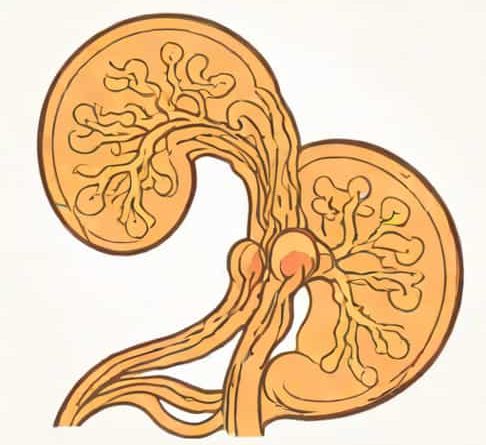
Calcareous deposits in the kidney are solid accumulations of minerals, mainly calcium, within the kidney tissue or urinary tract. These deposits form when substances in the urine, such as calcium, oxalate, and phosphate, become concentrated and crystallize. Over time, these crystals can grow into larger stones, causing pain and sometimes obstruction of urine flow. Although small deposits may not cause noticeable symptoms, larger stones can lead to severe pain, blood in urine, and other complications.
Causes of Calcareous Deposits in Kidney
There are several factors that contribute to the formation of calcareous deposits in the kidney. Some of the most common causes include
- Dehydration Insufficient fluid intake increases the concentration of minerals in urine, promoting crystal formation.
- Dietary Factors High intake of calcium, oxalate-rich foods, and certain proteins can increase the risk of deposits.
- Genetic Predisposition Family history of kidney stones can make individuals more susceptible.
- Medical Conditions Disorders such as hyperparathyroidism, urinary tract infections, and kidney diseases can contribute to the development of calcareous deposits.
- Obesity and Lifestyle Sedentary lifestyle and obesity may influence urine composition and stone formation.
Symptoms of Calcareous Deposits in the Kidney
Symptoms of kidney stones can vary depending on the size and location of the calcareous deposits. Some people may remain asymptomatic, while others experience severe discomfort. Common symptoms include
- Sharp pain in the back, side, or lower abdomen, often referred to as renal colic.
- Pain during urination or frequent urge to urinate.
- Blood in urine, which may appear pink, red, or brown.
- Nausea and vomiting, often associated with intense pain.
- Cloudy or foul-smelling urine due to infection or crystal presence.
- Fever and chills in cases of urinary tract infection associated with stones.
Diagnosis of Calcareous Deposits
Early diagnosis of calcareous deposits in the kidney is essential to prevent complications. Doctors use several methods to identify kidney stones, including
- Ultrasound A non-invasive imaging technique commonly used to detect kidney stones.
- X-Ray Can reveal larger stones but may miss small or radiolucent stones.
- CT Scan Highly accurate for detecting all types of kidney stones and their exact location.
- Urine and Blood Tests Help identify underlying metabolic disorders contributing to stone formation.
Treatment Options
The treatment of calcareous deposits in the kidney depends on the size, location, and composition of the stones, as well as the severity of symptoms. Treatment options include
Conservative Management
Small stones may pass naturally with increased fluid intake and pain management. Doctors often recommend
- Drinking plenty of water to flush out the stones.
- Medications to relieve pain and facilitate stone passage.
- Dietary modifications to reduce calcium and oxalate intake.
Medical Procedures
For larger stones that cannot pass on their own, medical interventions may be required, including
- Extracorporeal Shock Wave Lithotripsy (ESWL) Uses shock waves to break stones into smaller fragments for easier passage.
- Ureteroscopy A small scope is inserted into the urinary tract to remove or break the stone.
- Percutaneous Nephrolithotomy Surgical procedure for removing very large stones directly from the kidney.
Prevention of Calcareous Deposits in Kidney
Preventing calcareous deposits in the kidney involves lifestyle changes, dietary adjustments, and regular medical checkups. Some effective preventive measures include
- Drinking adequate water daily to dilute urine.
- Reducing intake of high-oxalate foods such as spinach, nuts, and chocolate.
- Moderating calcium intake without eliminating it completely, as calcium is essential for bone health.
- Limiting salt and animal protein consumption.
- Regular exercise and maintaining a healthy weight.
- Monitoring and managing underlying medical conditions that may promote stone formation.
When to Consult a Doctor
It is important to seek medical attention if you experience severe pain, blood in urine, persistent nausea, or symptoms of infection such as fever and chills. Early intervention can prevent complications such as kidney damage, urinary tract infection, or blockage of urine flow.
Calcareous deposits in the kidney are a common health concern that can range from asymptomatic small deposits to painful and potentially dangerous stones. Understanding the causes, recognizing the symptoms, and seeking timely medical care are crucial steps in managing kidney stones. Preventive measures, including hydration, dietary modifications, and lifestyle changes, play an important role in reducing the risk of calcareous deposits. With proper awareness and management, most individuals can avoid severe complications and maintain healthy kidney function. Regular checkups and prompt treatment of kidney stones ensure a healthier life and help individuals continue their daily activities without interruption.