Can You Go Inside The Kaaba
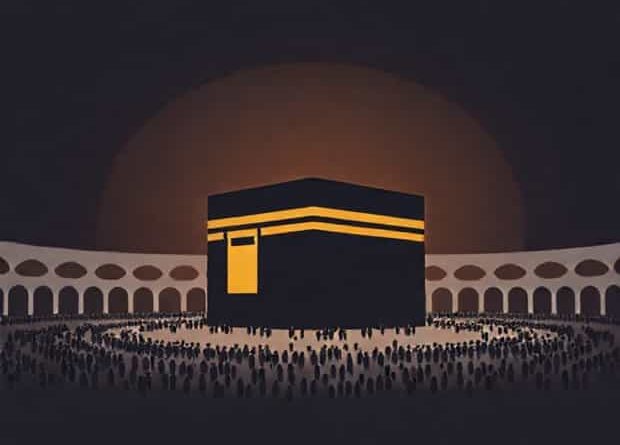
The Kaaba, located in the heart of Masjid al-Haram in Mecca, Saudi Arabia, is the most sacred site in Islam and the focal point of Muslim prayer worldwide. Millions of pilgrims travel to Mecca each year during Hajj and Umrah to perform rites surrounding this revered structure. The question of whether one can enter the Kaaba itself often arises among Muslims and non-Muslims alike. Understanding this requires exploring the history, religious significance, and current practices regarding access to the interior of the Kaaba.
Historical and Religious Significance of the Kaaba
The Kaaba holds profound historical and spiritual significance in Islam. According to Islamic tradition, it was originally built by the Prophet Ibrahim (Abraham) and his son Ismail (Ishmael) as a monotheistic house of worship. Over centuries, it became the central sanctuary for various Arab tribes, eventually restored and sanctified under Islamic principles. The Kaaba represents the unity of Muslims, as all prayers worldwide are directed toward it, known as the Qibla.
The Role of the Kaaba in Muslim Worship
During daily prayers, Muslims face the Kaaba, symbolizing unity and devotion to Allah. The circumambulation of the Kaaba, known as Tawaf, is an essential component of both Hajj and Umrah pilgrimages. Pilgrims walk around the Kaaba seven times in a counterclockwise direction, reflecting the spiritual journey toward closeness with God. The rituals around the Kaaba are accessible to all pilgrims, but entering the Kaaba itself is a different matter.
Can You Go Inside the Kaaba?
Access to the interior of the Kaaba is highly restricted and not part of the general pilgrimage experience. Only a select few individuals, usually dignitaries, religious scholars, or officials, are granted permission to enter. The interior is considered extremely sacred, and entry is controlled by the Saudi authorities to preserve its sanctity and historical integrity.
Interior of the Kaaba
The inside of the Kaaba is a small, cube-shaped room covered with a black cloth known as the Kiswah. The interior features a marble floor, three pillars supporting the roof, and inscriptions of Quranic verses on the walls. A small staircase leads to a mezzanine used for storage of sacred items. Despite its modest size, the Kaaba’s interior exudes immense spiritual significance, and those who enter often describe it as a profoundly humbling experience.
Who Is Allowed Inside?
Traditionally, the following individuals may enter the Kaaba under controlled circumstances
- Saudi officials and custodians responsible for maintaining the Kaaba.
- Selected religious scholars or dignitaries visiting Mecca.
- Occasionally, notable figures or heads of state, usually by special invitation from the Saudi authorities.
The general public, including ordinary pilgrims performing Hajj or Umrah, cannot enter the Kaaba. Instead, pilgrims express their devotion through rituals surrounding the Kaaba, such as Tawaf, touching the Black Stone, and prayers offered in Masjid al-Haram.
Reasons for Restricted Access
The strict regulation of access to the Kaaba’s interior is rooted in religious, historical, and practical considerations.
Preservation of Sanctity
The Kaaba is considered the holiest structure in Islam, and unrestricted access could compromise its spiritual sanctity. Limiting entry ensures that the sacred space is respected and that the rituals performed around it remain central to the pilgrimage experience.
Historical and Cultural Preservation
The Kaaba has undergone numerous restorations over centuries. Controlling entry protects its architectural integrity, preventing wear and tear from excessive traffic. The Kiswah, intricate calligraphy, and historical inscriptions require careful maintenance, which is more feasible with restricted access.
Managing Large Crowds
Millions of Muslims gather in Masjid al-Haram during Hajj, and allowing unrestricted access to the Kaaba itself would create logistical challenges and safety concerns. The controlled environment inside the Kaaba ensures that it remains secure while allowing pilgrims to engage in surrounding rituals safely.
Spiritual Experience Without Entering
Although the interior of the Kaaba is generally inaccessible, pilgrims can still have a deeply spiritual experience through other practices. Performing Tawaf, praying in Masjid al-Haram, and touching or pointing toward the Black Stone offer opportunities for connection with God. Pilgrims often describe these experiences as profoundly moving, emphasizing that physical entry is not necessary to attain spiritual fulfillment.
Alternative Ways to Connect
- Praying in Masjid al-Haram while facing the Kaaba.
- Performing the circumambulation (Tawaf) around the Kaaba seven times.
- Kissing or touching the Black Stone if possible, or pointing toward it when crowds are dense.
- Engaging in personal supplications (Dua) and reflection in the sacred mosque environment.
These practices allow pilgrims to feel spiritually close to the Kaaba, reinforcing the importance of devotion and humility in Islam.
Special Occasions for Entry
Occasionally, the Saudi authorities open the Kaaba to selected visitors during special religious occasions. These visits are highly ceremonial and involve strict supervision. The opportunity to enter the Kaaba is considered a rare honor, often accompanied by religious ceremonies and maintenance activities.
Significance of Entering the Kaaba
Those who are allowed inside often describe a sense of awe and profound spiritual connection. It is viewed as a privilege that underscores the holiness of the Kaaba and the importance of stewardship, emphasizing that such access is not for ordinary personal desire but for maintaining and honoring the sacred site.
In summary, while the Kaaba is the central point of Islamic worship and millions of Muslims surround it during Hajj and Umrah, entry into the interior is extremely restricted. Only select officials, scholars, and dignitaries may enter under controlled circumstances. For the vast majority of Muslims, the spiritual connection to the Kaaba is experienced through rituals such as Tawaf, prayers in Masjid al-Haram, and interaction with the Black Stone. Understanding the sanctity, historical significance, and rules surrounding access allows Muslims to appreciate the Kaaba deeply and experience profound devotion without necessarily entering its interior. The Kaaba continues to symbolize unity, faith, and submission to Allah, offering a spiritually transformative experience to all who approach it with sincerity and reverence.