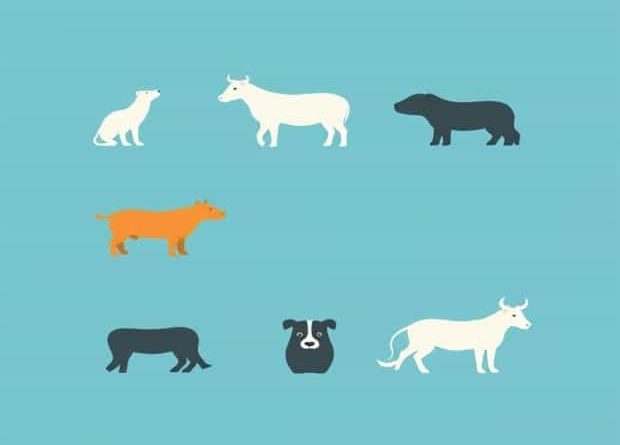
Canine Feline Bovine Murine Equine
Understanding the terminology used to describe different animal species is essential for anyone interested in veterinary science, animal biology, or agriculture. Terms like canine, feline, bovine, murine, and equine are commonly used in scientific literature to classify and discuss various animals. Each term corresponds to a specific group of animals, highlighting their unique characteristics, behaviors, and interactions with humans. By exploring these categories, we can better appreciate the diversity of the animal kingdom and understand how these creatures contribute to ecosystems, agriculture, companionship, and scientific research.
Canine Dogs and Their Relatives
The term canine refers to members of the family Canidae, which includes domestic dogs, wolves, foxes, and coyotes. Canines are known for their social behavior, intelligence, and adaptability. They are often domesticated for companionship, work, or security purposes. Canines have a highly developed sense of smell, acute hearing, and strong predatory instincts, which make them effective hunters and loyal companions.
Characteristics of Canines
- Domesticated dogs exhibit a wide variety of breeds with distinct sizes, temperaments, and abilities.
- Wild canines such as wolves and foxes live in packs or solitary structures depending on the species.
- Canines are generally carnivorous, relying on meat as a primary food source, though domestic dogs are often omnivorous.
- They communicate using vocalizations, body language, and scent marking.
Importance to Humans
Dogs are valued for companionship, security, and assistance in tasks such as hunting, herding, and search-and-rescue operations. Wolves and other wild canines play an ecological role as apex predators, helping maintain balanced ecosystems.
Feline Cats and Their Kin
Feline refers to animals of the family Felidae, including domestic cats, lions, tigers, leopards, and other wild cats. Felines are known for their agility, sharp retractable claws, keen eyesight, and stealthy hunting techniques. They are carnivorous predators, and their hunting skills have made them both admired and feared by humans throughout history.
Characteristics of Felines
- Highly flexible bodies and strong musculature allow for powerful leaps and agile movements.
- Sharp teeth and claws are adapted for hunting and self-defense.
- Domestic cats often exhibit independent behavior but are capable of forming strong bonds with humans.
- Communication occurs through vocalizations like purring, meowing, growling, and through body language.
Significance to Humans
Domestic cats serve as companions and pest controllers, while large felines contribute to biodiversity and ecological balance. Conservation efforts are vital for protecting endangered wild feline species from habitat loss and poaching.
Bovine Cattle and Related Species
The term bovine refers to animals in the subfamily Bovinae, which includes domestic cattle, bison, buffalo, and yaks. Bovines are herbivorous, primarily grazing on grasses and plants. They have played a critical role in human agriculture for thousands of years, providing meat, milk, leather, and labor.
Characteristics of Bovines
- Large, muscular bodies adapted for grazing and long-distance travel.
- Ruminant digestive systems, including a multi-chambered stomach, allow efficient processing of plant material.
- Social herd behavior enhances protection against predators.
- Domestication has led to selective breeding for meat, milk production, or labor purposes.
Human Interaction
Bovines are integral to agriculture, providing food products and raw materials. They also contribute to cultural practices and traditions in many societies. Efficient livestock management ensures sustainability and animal welfare.
Murine Mice, Rats, and Small Rodents
Murine refers to animals of the family Muridae, which includes mice, rats, and other small rodents. These creatures are highly adaptable, reproduce quickly, and occupy diverse habitats worldwide. Murines play significant roles in ecosystems, as well as in scientific research due to their genetic similarities to humans.
Characteristics of Murines
- Small body size with sharp incisors for gnawing.
- High reproductive rate, producing multiple litters per year.
- Excellent adaptability to various environments, from urban areas to forests.
- Highly social and intelligent, with complex behaviors and learning abilities.
Importance to Humans
Murines are widely used in laboratory research, contributing to medical and genetic studies. However, they can also become pests, causing damage to crops, stored food, and infrastructure.
Equine Horses, Donkeys, and Zebras
The term equine refers to animals in the family Equidae, which includes horses, donkeys, and zebras. Equines are known for their speed, endurance, and strength. They have been closely associated with human civilization, serving as transport, work animals, and companions for centuries.
Characteristics of Equines
- Large, muscular bodies built for running and carrying loads.
- Herbivorous diet consisting mainly of grasses and hay.
- Strong social structures in the wild, often forming herds with defined hierarchies.
- Highly trainable and intelligent, capable of forming bonds with humans and other animals.
Role in Human History
Equines have been essential for transportation, agriculture, and warfare. Modern horses participate in sports, recreation, and therapy programs. Conservation of wild equines, such as zebras, is important for biodiversity and ecological balance.
Comparing Canine, Feline, Bovine, Murine, and Equine
While all five terms refer to different animal groups, they share certain commonalities such as their importance to humans, ecological roles, and biological adaptations. Understanding these distinctions helps in veterinary science, animal husbandry, and wildlife management. Key differences include
- DietCanines and felines are primarily carnivorous, bovines and equines are herbivorous, and murines are omnivorous.
- SizeBovines and equines are large, canines and felines vary, and murines are small.
- DomesticationDogs, cats, cattle, horses, and some murines are domesticated, while many remain wild.
- BehaviorSocial structures differ, from herd-oriented bovines to solitary large felines.
- Human UtilityRoles range from companionship (dogs and cats) to labor (horses, cattle) to scientific research (murines).
Ecological and Cultural Significance
Each animal group contributes uniquely to ecosystems and human society. Canines and felines help control pests and provide companionship, bovines and equines support agriculture and transport, and murines serve as both research models and ecological participants. Understanding these roles promotes better animal care, conservation, and coexistence.
Canine, feline, bovine, murine, and equine represent distinct groups of animals with unique characteristics, behaviors, and interactions with humans. From loyal dogs and stealthy cats to domesticated cattle, laboratory mice, and versatile horses, these animals shape ecosystems, agriculture, science, and culture. Learning about their traits and significance enhances our appreciation for biodiversity and encourages responsible care, management, and conservation. By understanding these classifications, people can better address the needs of different species, ensuring both their well-being and the ecological balance of the environments they inhabit.