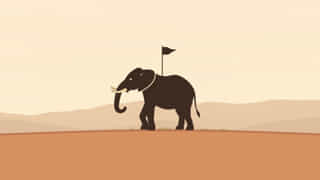
Circus Elephant Butte Montana
Tucked away in the rugged and scenic landscape of Montana lies a location known as Elephant Butte. While it may not be as widely recognized as other landmarks in the state, it has long captured the imagination of locals and travelers alike. Combining natural beauty with legends of traveling entertainment, the story of Circus Elephant Butte Montana blends geological marvels with cultural folklore. It is a place where rocky terrain meets echoes of the past, and where the name itself sparks curiosity. This topic explores the mystery, history, and local fascination surrounding this uniquely named feature in Montana.
The Name Behind Elephant Butte
Geological Origins
Elephant Butte refers to a large, isolated hill or rock formation, known geologically as a butte. These landforms are common throughout the American West, created over time by erosion. The elephant part of the name typically comes from a resemblance to the shape of an elephant when viewed from certain angles massive, rounded, and with trunk-like slopes.
Why Circus Elephant?
The term Circus Elephant attached to the butte may stem from local stories or oral histories. According to regional folklore, traveling circuses once passed through Montana towns during the early 20th century. It is said that one such event involved an elephant escaping or being temporarily housed near this location, inspiring locals to nickname the butte in memory of the event. While historical records are sparse, the idea has been passed down and celebrated in community tales.
Location and Natural Setting
Remote and Rugged Beauty
Elephant Butte is typically referenced in the context of remote parts of Montana, often described as part of the state’s iconic wide-open spaces. Surrounded by high plains, rolling grasslands, and distant mountain ranges, it presents a striking silhouette against the Montana sky. The region around the butte is rich in natural attractions, offering hiking trails, wildlife viewing, and endless photographic opportunities.
Accessibility and Exploration
For those eager to explore, access to the Elephant Butte area may require travel over gravel roads or trails. While it may not be part of an official park, some adventurers and locals regard it as a hidden gem. Visitors are advised to prepare properly with maps, supplies, and respect for private land boundaries if applicable.
Cultural and Historical Significance
Traveling Circuses in Montana
In the late 1800s and early 1900s, traveling circuses brought exotic animals, performances, and colorful tents to rural towns across the United States. Montana, with its booming mining towns and growing railroads, was often on their route. Towns such as Butte, Billings, and Helena welcomed circus caravans that thrilled local families and inspired lasting memories.
Legacy of the Elephants
One persistent story tells of an elephant that either wandered off or was briefly kept near the butte after a performance. Though likely apocryphal, the tale stuck. Locals began to refer to the nearby butte as Circus Elephant Butte, blending the area’s geological shape with the lively circus culture of the time. Today, whether fully factual or not, the story adds character to the landscape and reflects the way human experiences can reshape how we see natural formations.
Why It Captures the Imagination
Folklore and Geography
Folklore has a way of blending with geography to make places feel more personal and memorable. In the case of Circus Elephant Butte, the whimsical name turns an otherwise ordinary rock formation into a location filled with storytelling potential. It gives the land a voice and invites people to see more than just rocks and sky.
Symbolism of the Elephant
Elephants are symbolic creatures in many cultures, often representing wisdom, strength, and memory. The image of an elephant in the Montana wilderness, whether real or imagined, brings a sense of wonder. It’s not just a name it becomes a symbol of imagination and the collision between wild nature and human storytelling.
Modern-Day Interest and Travel
Off-the-Beaten-Path Tourism
Montana is known for its national parks, expansive wilderness, and wide-open roads. Yet, places like Circus Elephant Butte attract a different kind of traveler those interested in lesser-known destinations that offer solitude, scenic views, and a touch of mystery. These quiet landmarks provide a break from crowds and a chance to connect with local history and nature.
Visiting Tips
- Preparation: Check weather conditions and bring plenty of water and food.
- Navigation: Use offline maps or GPS devices as cell service may be limited.
- Respect: Be mindful of local properties, leave no trace, and respect wildlife.
- Timing: Visit during daylight hours to make the most of the views and safety.
Educational Value and Community Storytelling
Teaching Through Local Lore
For teachers, parents, and local historians, Circus Elephant Butte offers a case study in how geography and human history intertwine. Stories passed down through generations help preserve the cultural memory of rural communities and keep young people connected to the land. It can spark interest in both natural science and storytelling traditions.
Oral Histories and Community Memory
In many Montana communities, oral histories are still highly valued. Older residents may share stories of circuses rolling through town, parades down Main Street, and animals that seemed to belong to another world. These recollections are part of what keeps places like Elephant Butte alive in the minds of locals even if they are not marked on every official map.
Circus Elephant Butte Montana may not have the fame of national parks or the grandeur of towering peaks, but it holds a special place in the cultural and natural landscape of the state. Through a blend of geological curiosity and human imagination, it represents the connection between people and the land they live on. Whether you’re drawn by its name, its rumored history, or simply its quiet beauty, this butte offers more than just a photo opportunity it offers a story. And like all good stories, it continues to grow with each retelling, each visit, and each new pair of eyes that gazes upon its form and sees the shape of an elephant. Whether real or myth, it reminds us that sometimes, the most magical places are those that live in both the earth and the mind.