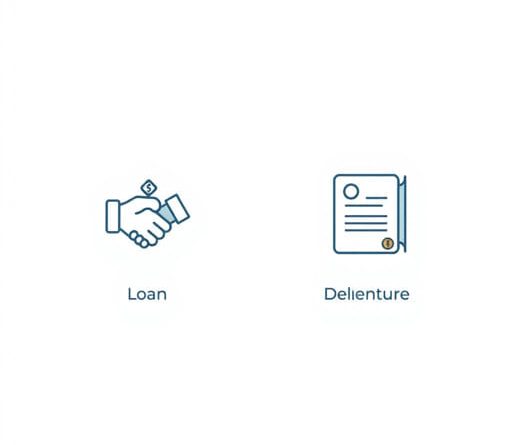
Difference Between Loan And Debenture
In the world of finance, understanding the tools available for raising or borrowing funds is critical. Two common methods that often come up are loans and debentures. Although they both involve borrowing money, they operate under different frameworks and serve different purposes. Knowing the difference between loan and debenture is essential for business owners, investors, and individuals who want to make informed financial decisions. While both offer ways to access capital, their legal structure, security, interest terms, and usage vary greatly.
Understanding the Basics
What is a Loan?
A loan is a financial agreement in which a lender gives money to a borrower, who agrees to repay the principal amount along with interest over a defined period. Loans can be secured by collateral or unsecured, depending on the terms and the creditworthiness of the borrower. Banks, credit unions, and other financial institutions are the most common sources of loans.
What is a Debenture?
A debenture is a type of long-term debt instrument issued by a company to raise capital from the public. It is typically unsecured, meaning it is not backed by specific assets. Instead, it is supported by the creditworthiness and reputation of the issuing entity. Debentures offer fixed interest rates and are repayable after a fixed term, often used by corporations for expansion or funding major projects.
Key Differences Between Loan and Debenture
Though both involve the concept of borrowing, several crucial differences separate loans and debentures:
1. Nature of Agreement
- Loan: A loan is a private agreement between a borrower and a financial institution or lender. It is more of a one-on-one financial transaction.
- Debenture: A debenture is a public borrowing instrument issued to multiple investors. It is available to anyone willing to invest.
2. Security
- Loan: Can be secured or unsecured. Secured loans are backed by collateral, reducing risk for lenders.
- Debenture: Usually unsecured. Debenture holders rely on the financial health of the issuing company rather than any physical security.
3. Issuer
- Loan: Typically offered by banks, credit unions, or financial institutions to individuals or businesses.
- Debenture: Issued by companies to raise funds from the public or institutional investors.
4. Regulation and Documentation
- Loan: Loan agreements are detailed contracts outlining terms, interest rates, repayment schedules, and collateral if applicable.
- Debenture: Debenture terms are defined in a trust deed and are subject to financial market regulations since they are public instruments.
5. Interest Rate
- Loan: Interest rates on loans may be fixed or floating, depending on the lender’s policies and market conditions.
- Debenture: Debentures generally offer a fixed interest rate, providing predictable returns to investors.
6. Repayment Terms
- Loan: Repayment is typically done in installments, including both principal and interest, over the agreed loan term.
- Debenture: Most debentures repay the principal at maturity, while interest is paid periodically during the term.
7. Convertibility
- Loan: Loans are not convertible into shares or equity.
- Debenture: Some debentures can be converted into equity shares at the discretion of the holder or issuer under certain terms.
Practical Examples
To understand how loans and debentures function in the real world, consider the following examples:
- A small business owner approaches a bank to secure a loan of $100,000 to purchase equipment. The loan is secured by the equipment itself, with a repayment plan over five years. This transaction involves a personal agreement and is not open to the public.
- A large corporation wants to fund the construction of a new factory and issues $50 million in debentures to the public, offering a 6% annual interest rate over 10 years. Investors purchase these debentures, expecting interest income and full principal repayment at maturity.
Advantages and Disadvantages
Loan
- Advantages:
- Flexible repayment structures.
- Available for individuals and businesses.
- Secured options reduce lender risk.
- Disadvantages:
- May require collateral.
- Credit score affects terms and approval.
- Interest costs can be high for unsecured loans.
Debenture
- Advantages:
- Helps companies raise large sums of money.
- Fixed interest rate provides stability to investors.
- No dilution of ownership unless convertible.
- Disadvantages:
- Usually unsecured, increasing investor risk.
- Companies must maintain strong financial credibility.
- Not suitable for individual borrowers.
Legal Rights and Responsibilities
In case of company insolvency or liquidation, loan providers, especially secured creditors, are typically paid before debenture holders. This makes loans a less risky option for lenders. Debenture holders are treated as creditors but may have lower priority in repayment if their debentures are unsecured. This difference impacts the potential return and risk involved in both instruments.
When to Choose Loan or Debenture
The right choice between a loan and a debenture depends on the financial objective:
- Loanis ideal for short- to medium-term funding needs, where immediate capital is required for specific purposes such as inventory, vehicles, or operations.
- Debentureis more suitable for companies with long-term projects or expansion plans that require significant capital investment without giving up equity or going through traditional banking procedures.
Understanding the difference between loan and debenture is crucial for anyone involved in borrowing or investing money. While both serve the purpose of raising funds, loans are typically private, secured arrangements between a borrower and a lender, whereas debentures are unsecured public instruments issued by companies. Choosing between the two depends on the financial context, risk tolerance, and funding goals. By evaluating the terms, repayment structures, and the nature of the agreement, individuals and businesses can make informed decisions that align with their financial needs and strategies.