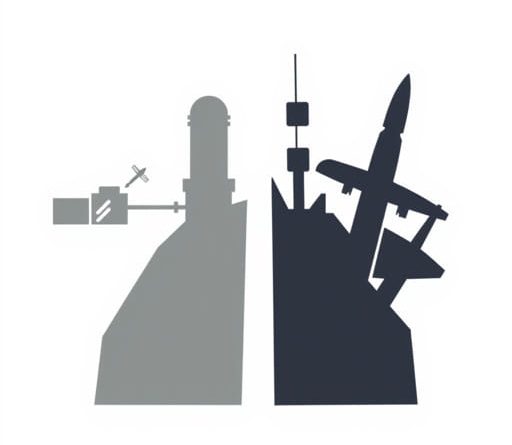
Difference Between Militarization And Weaponization Of Space
As nations continue to advance their space technologies, discussions surrounding the militarization and weaponization of space are becoming increasingly important. These two terms though often used interchangeably have distinct meanings and implications in the realm of international security, global politics, and technological development. Understanding the difference between militarization and weaponization of space is crucial for policymakers, researchers, and global citizens concerned with the future of peace and warfare beyond Earth’s atmosphere.
Understanding Militarization of Space
Definition and Scope
Militarization of space refers to the integration of space-based technologies and infrastructure to support military operations on Earth. This does not necessarily involve placing weapons in orbit but rather using space systems for communication, navigation, surveillance, and intelligence gathering. Examples include satellites used for GPS, early missile detection, and global military communications.
Historical Context
The militarization of space began during the Cold War, when the United States and the Soviet Union launched satellites for military purposes. Although these satellites did not carry weapons, they played a vital role in gathering intelligence and improving the strategic advantage of their respective armed forces.
Examples of Militarized Space Systems
- Global Positioning System (GPS) satellites controlled by the U.S. Department of Defense.
- Reconnaissance satellites that provide high-resolution imagery for surveillance.
- Communication satellites used by military branches for secure transmissions.
Purpose and Limitations
The goal of militarization is to enhance the effectiveness of terrestrial military operations. While it does involve military use, militarization remains distinct from directly deploying offensive weapons in space. Many countries engage in space militarization, and it is generally accepted under current international law, including the Outer Space Treaty of 1967, which prohibits placing nuclear weapons in orbit but does not ban all military uses of space.
Exploring Weaponization of Space
Definition and Characteristics
Weaponization of space takes the military use of space one step further. It involves deploying or developing actual weapons that can attack targets in space or from space to Earth. These can include kinetic energy weapons, space-based lasers, or anti-satellite (ASAT) systems designed to destroy satellites.
Forms of Space Weapons
- Kinetic energy weapons: Objects that destroy targets by colliding with them at high speeds, such as ASAT missiles.
- Directed-energy weapons: Laser or microwave systems that can damage or disable satellites or other equipment.
- Orbital weapons platforms: Hypothetical space stations or satellites armed with weapons capable of striking terrestrial or space targets.
Strategic Concerns
The weaponization of space introduces significant global security challenges. It threatens to trigger an arms race in space, increases the risk of space debris, and can lead to destabilization of international relations. Unlike militarization, weaponization is more contentious and is widely debated in international forums such as the United Nations Conference on Disarmament.
Real-World Examples
Though no country has yet deployed confirmed space-based weapons, some actions suggest an interest in weaponization:
- China’s 2007 anti-satellite missile test, which destroyed one of its own weather satellites.
- The United States’ successful ASAT operation in 2008, known as Operation Burnt Frost.
- Development of ‘counter-space’ technologies by countries like Russia and India, aimed at disrupting or destroying enemy satellites.
Key Differences Between Militarization and Weaponization of Space
Intent and Functionality
The most fundamental difference lies in the purpose. Militarization supports Earth-based military operations without necessarily introducing weapons into orbit. Weaponization, however, involves the creation and deployment of systems intended for offensive or defensive attacks in or from space.
Legal and Ethical Considerations
Militarization is generally tolerated under international law. The Outer Space Treaty allows for peaceful use and military support functions, so long as no weapons of mass destruction are placed in orbit. Weaponization, in contrast, risks violating the spirit if not the letter of this treaty. It also raises serious ethical questions about the extension of warfare into outer space.
Technological Complexity
While both processes involve advanced technologies, weaponization demands far more complex, precise, and destructive systems. Militarized satellites often serve non-lethal roles, whereas weaponized platforms are explicitly designed to damage or destroy.
Security Implications
Militarization, though significant, usually supports deterrence and defense rather than provocation. Weaponization, on the other hand, increases the potential for conflict escalation, as nations may feel compelled to retaliate or develop their own space-based weapons to match rivals.
Current International Stance and Future Outlook
Global Treaties and Agreements
While the Outer Space Treaty lays the groundwork for peaceful space activities, it does not fully prohibit weaponization. Attempts have been made, such as the Prevention of an Arms Race in Outer Space (PAROS) initiative, to establish more specific bans. However, no binding global treaty currently exists to explicitly outlaw all space weapons.
Efforts Toward Regulation
Various organizations and governments have proposed transparency and confidence-building measures to address space threats. These include:
- Voluntary codes of conduct for responsible behavior in space.
- Data sharing agreements on space object tracking to avoid collisions.
- Diplomatic talks to prevent deployment of destructive technologies in orbit.
The Role of Emerging Technologies
As private companies and new nations enter the space race, the line between peaceful exploration, militarization, and weaponization may become increasingly blurred. Artificial intelligence, autonomous satellites, and miniaturized weapons could complicate existing frameworks. The international community will need to act swiftly to create updated laws that address the realities of 21st-century space activities.
The difference between militarization and weaponization of space is more than just semantics it defines how humanity chooses to extend its presence beyond Earth. While militarization involves using space to enhance military operations on the ground, weaponization crosses into more dangerous territory, involving the deployment of actual space-based weapons. Understanding these distinctions helps frame future discussions about space security, diplomacy, and the potential for peaceful coexistence in orbit. As space becomes increasingly contested, these terms will remain critical in shaping global policy and maintaining stability in the final frontier.