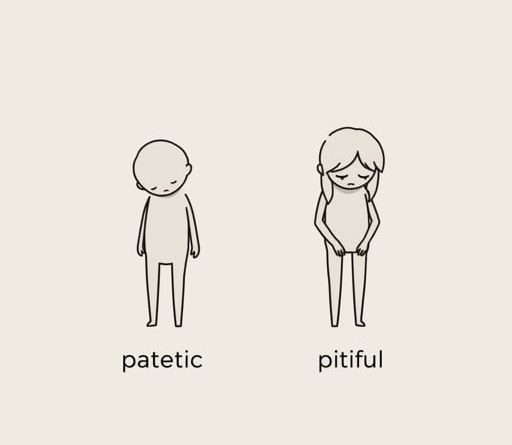
Difference Between Pathetic And Pitiful
In everyday English, words like ‘pathetic’ and ‘pitiful’ are often used to describe similar situations or emotions, yet they carry slightly different connotations and are not always interchangeable. Understanding the difference between pathetic and pitiful can help you use them more accurately in both writing and conversation. These two adjectives can describe people, behaviors, or situations that evoke sadness or pity, but the nuances between them depend on context, tone, and intention.
Understanding the Meaning of Pathetic
The word pathetic originates from the Greek word pathos, which means suffering or emotion. Over time, the word has evolved in the English language to describe something that arouses pity, sympathy, or even contempt. In modern usage, ‘pathetic’ is often used with a negative tone, suggesting something that is not just sad, but also inadequate or deserving of scorn.
Common Usage of Pathetic
Here are some ways pathetic is commonly used:
- To express disapproval: His excuse for being late was absolutely pathetic.
- To show disdain for weakness: She gave a pathetic attempt to lift the heavy box.
- To refer to something emotionally moving (less common today): The scene in the movie was truly pathetic and brought tears to the audience.
In most cases, when someone calls a situation or person ‘pathetic,’ they are highlighting not only sadness but also a sense of hopelessness or failure. It is not typically used to express genuine compassion.
Exploring the Meaning of Pitiful
Pitiful, on the other hand, also comes from pity, but it tends to carry a slightly more sympathetic tone. It describes something that deserves or provokes feelings of pity. While it can still be negative, it often lacks the harsher, judgmental connotation that pathetic may carry.
Common Usage of Pitiful
Examples of how pitiful is used include:
- To express sympathy: The pitiful condition of the abandoned dog made everyone want to help.
- To describe something inadequate: His savings were pitiful compared to the cost of the surgery.
- To suggest weakness: She gave a pitiful cry for help.
While ‘pitiful’ can be used to criticize, it more often emphasizes vulnerability and sadness. The tone is usually less harsh than with ‘pathetic.’
Key Differences Between Pathetic and Pitiful
Though these two adjectives may sometimes appear interchangeable, the difference between pathetic and pitiful lies in their emotional tone and implication. Below are several important distinctions:
1. Emotional Connotation
Patheticoften carries a tone of ridicule or contempt. It suggests that something is so sad or weak that it deserves scorn. In contrast,pitifulusually evokes sympathy or compassion without mocking the subject.
2. Intensity of Criticism
Calling someone pathetic is generally more critical than calling them pitiful. For instance, saying That was a pathetic performance might indicate embarrassment or disgust, while That was a pitiful performance may suggest that it was simply unfortunate or lacking.
3. Use in Sarcasm or Insults
Pathetic is more likely to be used sarcastically or in a derogatory sense. It is common in casual or aggressive speech when someone wants to mock or shame. Pitiful is rarely used sarcastically and maintains a more neutral or even empathetic tone.
4. Linguistic Formality
Both words can be used in formal or informal contexts, but pitiful is slightly more formal and literary, whereas pathetic has become very common in everyday speech and media.
Examples in Sentences
Using Pathetic
- He looked so pathetic begging for his job back.
- Your argument is completely pathetic and doesn’t make sense.
- It was a pathetic sight a grown man crying over spilled milk.
Using Pitiful
- The injured bird made a pitiful attempt to fly.
- She had a pitiful amount of food in her fridge.
- It was a pitiful scene that moved many people to tears.
Similarities Between Pathetic and Pitiful
Although we’ve discussed the distinctions, it’s important to acknowledge why these words are often confused. Both can be used to describe:
- Situations that evoke emotion
- People who appear weak, helpless, or in need
- Conditions that are less than ideal or tragic
The overlap in their definitions and emotional triggers makes them closely related. The confusion arises primarily from subtle differences in tone and intent rather than entirely separate meanings.
Choosing the Right Word
When deciding whether to use pathetic or pitiful, consider the message you want to convey:
- Use patheticif your aim is to express disapproval, mockery, or disappointment. It’s best used when highlighting failure or inadequacy with a critical tone.
- Use pitifulif you want to express sympathy or point out a sad situation without sounding harsh or cruel. It leans more toward empathy than insult.
Context always matters. In sensitive situations, using pathetic may come across as rude or offensive, while pitiful might offer a more thoughtful or considerate choice.
Understanding the difference between pathetic and pitiful can improve your communication skills and help you convey emotions with precision. Though both words describe unfortunate circumstances, pathetic is usually more judgmental, while pitiful tends to be sympathetic. Choosing the right term depends on the tone, intent, and emotional effect you wish to produce. With these nuances in mind, you can confidently use these adjectives to express yourself clearly and effectively.