Difference Between Stuffing And Dressing
When preparing for a holiday feast or a comforting family dinner, the question often arises: should you call it stuffing or dressing? While both dishes may appear similar typically made from a seasoned bread base with herbs and vegetables the difference between stuffing and dressing can be traced to tradition, preparation method, and even regional preferences. Understanding this culinary distinction helps not only in cooking the dish properly but also in appreciating the cultural roots that shape our meals.
Origins and History
Ancient Beginnings
The concept of stuffing food with seasoned mixtures has been around since ancient times. Early records show that Romans stuffed animals and poultry with ingredients like nuts, herbs, and grains. The term stuffing in English-speaking countries became common around the 16th century. Dressing began appearing in American cookbooks in the 19th century, primarily used by Southern cooks who preferred a more refined term.
Evolution in American Cuisine
In the United States, the evolution of stuffing and dressing took a regional path. While both refer to a similar dish, their naming and preparation methods vary depending on where you are in the country.
Definition and Core Difference
What Is Stuffing?
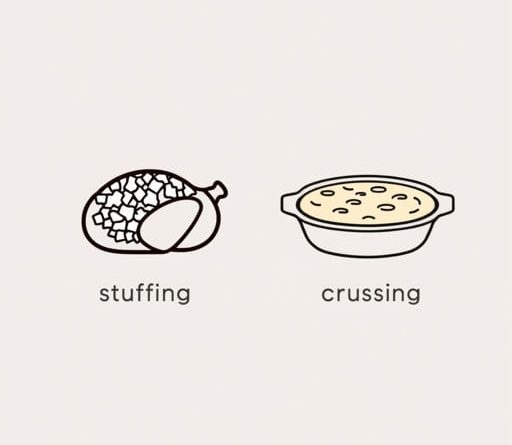
Stuffing refers to a seasoned mixture that is traditionally cooked inside a bird, like turkey or chicken. Because it’s actually stuffed into the cavity of the bird before roasting, the name makes perfect sense. This method allows the flavors of the bird to seep into the bread mixture, making it moist and flavorful.
What Is Dressing?
Dressing, on the other hand, is typically prepared separately in a baking dish. While it uses the same core ingredients bread, broth, herbs, and vegetables it is baked independently, resulting in a different texture, often with a crispy top and tender interior.
Regional Differences
Northern vs Southern Terminology
The use of stuffing or dressing can often be traced to where someone grew up:
- Northern U.S.: The term stuffing is more commonly used regardless of how the dish is prepared.
- Southern U.S.: Dressing is the preferred term, even if the dish is cooked inside the bird.
Influence of Cultural Traditions
Southern cooking, with its emphasis on cornbread and rich, comforting flavors, tends to favor dressing made with cornbread rather than white bread. In contrast, Northern versions often use white or wheat bread cubes and include ingredients like sausage, apples, or cranberries.
Common Ingredients
Shared Elements
Whether you call it stuffing or dressing, the base components tend to be the same:
- Bread (cubed, crumbled, or stale)
- Onion and celery
- Poultry seasoning or sage
- Chicken or turkey broth
- Butter or oil
- Salt and pepper
Regional Additions
Different regions and families add their own touches, such as:
- Cornbread (especially in Southern dressing)
- Sausage or bacon
- Nuts (like pecans or walnuts)
- Dried fruit (cranberries, raisins)
- Oysters (popular in coastal areas)
Texture and Flavor Differences
Moisture Content
Stuffing cooked inside a bird tends to be moister due to the juices released during roasting. However, this can sometimes result in a denser texture. Dressing baked in a casserole dish has a lighter, fluffier feel with a crusty top layer.
Flavor Infusion
Stuffing allows the flavors from the meat to soak into the bread and vegetables. Dressing, while not infused with meat juices, gives more control over texture and browning, which some people prefer.
Safety Considerations
Why Cooking Inside the Bird Can Be Risky
One of the most important distinctions between stuffing and dressing relates to food safety. Cooking stuffing inside a turkey or chicken can lead to undercooked stuffing if the bird’s internal temperature doesn’t reach a safe 165°F (74°C). This raises the risk of foodborne illnesses like salmonella.
Precautions for Stuffing
If you choose to stuff the bird, here are some safety tips:
- Use a food thermometer to check that the stuffing reaches 165°F.
- Do not overstuff the cavity leave room for heat circulation.
- Stuff the bird just before roasting, not in advance.
Advantages of Dressing
Since dressing is cooked separately, it’s easier to ensure it reaches a safe temperature without compromising the cooking of the bird. It also frees up space in the oven and allows you to prepare it ahead of time if needed.
Dietary and Lifestyle Adaptations
Gluten-Free or Vegan Options
Both stuffing and dressing can be easily adapted to meet various dietary needs:
- Use gluten-free bread or cornbread for a gluten-free version.
- Replace butter with plant-based margarine and broth with vegetable stock for a vegan dish.
Low-Carb Alternatives
For those avoiding carbs, stuffing and dressing can be made with riced cauliflower, mushrooms, or even shredded zucchini as a base.
Holiday Traditions
Thanksgiving and Beyond
Stuffing or dressing is most famously associated with Thanksgiving, but it’s also popular at Christmas, Easter, and Sunday roasts. For many families, the recipe passed down through generations is more about tradition than terminology. What you call it often depends on how your grandmother made it.
Ultimately, the difference between stuffing and dressing comes down to preparation method, regional terminology, and personal preference. Whether you bake it inside the bird or in a casserole dish, both versions offer comfort, nostalgia, and a rich blend of savory flavors. By understanding the subtle distinctions between stuffing and dressing, you can honor culinary traditions while making the dish your own. So the next time you’re setting the holiday table or whipping up a Sunday feast, you’ll know exactly what you’re serving and what to call it.