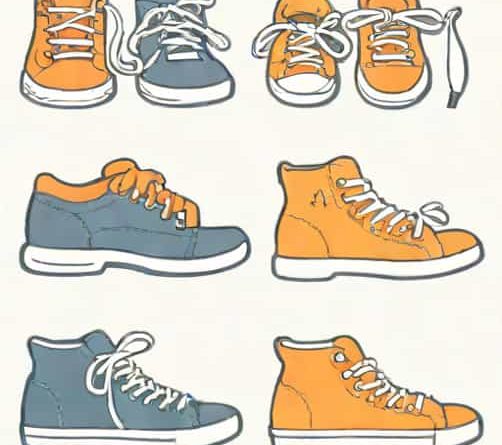
Different Ways To Tie Shoelace
Tying shoelaces may seem like a simple task, but there are actually many different ways to do it, each serving a unique purpose. From classic styles that prioritize ease and speed to specialized knots that enhance security or aesthetics, knowing the variety of methods can improve both comfort and style. Different ways to tie shoelaces can accommodate various activities such as running, hiking, or casual wear, and they can also add a personal touch to your footwear. Exploring these methods provides insight into practical benefits, historical origins, and even creative expression through footwear.
Classic Shoelace Knots
The Bunny Ears Method
The bunny ears method is one of the most popular techniques taught to children. It involves creating two loops, or bunny ears, and crossing them to form a secure bow. This method is intuitive and easy to learn, making it ideal for beginners or those who need a quick, reliable knot.
The Standard Criss-Cross
The criss-cross method is perhaps the most common way to tie shoelaces. By crossing the laces over each other and pulling them through the loops, you create a simple bow that works for most types of shoes. This method provides a balance between security and ease of untying, making it suitable for everyday wear.
Secure and Athletic Knots
The Runner’s Knot
The runner’s knot, also known as the heel lock, is commonly used in athletic shoes to prevent the heel from slipping. This method involves creating an extra loop near the top of the shoe eyelets and threading the lace through it before tying the bow. It enhances stability during running or hiking and reduces the risk of blisters.
The Double Knot
For those seeking added security, the double knot method is an excellent choice. After tying a standard bow, simply loop the bow a second time before tightening. This ensures that the laces stay tied for longer periods, making it ideal for sports, outdoor activities, or any situation where frequent untying is inconvenient.
Creative and Stylish Methods
Lattice Lacing
Lattice lacing is a visually striking method that creates a criss-cross pattern across the shoe. It involves weaving the laces diagonally and vertically through the eyelets, resulting in a decorative and eye-catching design. While it may require more time to master, lattice lacing offers a unique way to express personal style through footwear.
Ladder Lacing
Ladder lacing provides a symmetrical and structured appearance that resembles a ladder. This method is often used in boots and formal shoes for a neat and organized look. It involves threading the laces straight across the shoe and then vertically through the next eyelet, creating a series of horizontal bars that resemble ladder rungs.
Specialized Shoelace Techniques
Loop, Swoop, and Pull
The loop, swoop, and pull technique is another classic method that many people use intuitively. Start by forming a loop with one lace, then wrap the other lace around it before pulling it through. This creates a secure and easily adjustable bow suitable for casual shoes and sneakers.
Hidden Knot or Tucked Ends
For a cleaner look, some prefer to tuck the ends of their shoelaces under the laces themselves. This method minimizes loose ends and reduces the risk of tripping over untied laces. It is commonly used in formal shoes or by athletes who require a streamlined design.
Elastic No-Tie Laces
Elastic no-tie laces are an innovative alternative to traditional knots. These laces stretch and allow shoes to be slipped on and off without untying. They are ideal for children, elderly individuals, or anyone seeking convenience while maintaining a snug fit.
Functional Considerations
Choosing the Right Knot for Activity
The choice of shoelace knot often depends on the activity and type of shoe. For example, runners may prefer the runner’s knot for added stability, while children benefit from the bunny ears method for its simplicity. Lattice or ladder lacing may suit fashion-forward individuals seeking a unique appearance rather than functionality.
Preventing Wear and Tear
Using different tying techniques can also affect the longevity of your shoelaces and shoes. Tighter knots or knots that reduce friction at the eyelets can prevent premature fraying. On the other hand, complex decorative knots might increase wear if not properly maintained. Understanding the balance between aesthetics and function is essential for optimal shoe care.
Tips for Mastering Shoelace Techniques
- Practice each method on an old pair of shoes to build confidence before using it daily.
- Adjust tension appropriately to avoid discomfort or slippage.
- Experiment with lace lengths, materials, and colors to complement the chosen knot style.
- Use tutorials or visual guides for complex knots like lattice or ladder lacing to ensure accuracy.
Exploring the different ways to tie shoelaces reveals that this everyday task can be both practical and creative. From classic methods like the bunny ears and criss-cross to athletic knots such as the runner’s knot and double knot, each technique serves a specific purpose. Additionally, decorative methods like lattice and ladder lacing allow for personal expression through footwear. Specialized solutions like elastic no-tie laces or tucked ends cater to convenience and functionality. By understanding these different techniques, anyone can improve shoe comfort, security, and style while adding a touch of creativity to their everyday routine. Whether for practicality, fashion, or fun, mastering various shoelace methods enhances both the functionality and aesthetic appeal of shoes.