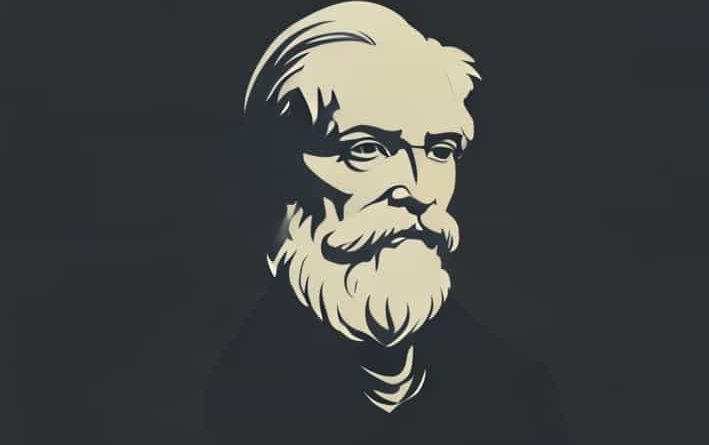
Discuss Thomas Gray As An Elegiac Poet
Thomas Gray, one of the most significant poets of the 18th century, is widely celebrated for his contribution to the genre of elegiac poetry. Elegiac poetry, by definition, focuses on themes of loss, mourning, and reflection, often exploring human mortality and the transient nature of life. Gray’s work resonates with readers because of its profound sensitivity, classical allusions, and contemplative tone. His poetry combines personal grief with universal themes, making it timeless and influential. By examining Gray’s life, his literary context, and his most notable works, particularly Elegy Written in a Country Churchyard, one can appreciate his mastery of the elegiac form and his enduring place in English literature.
Thomas Gray Life and Literary Context
Born in 1716 in Cornhill, London, Thomas Gray grew up in a period marked by the Enlightenment, which emphasized reason, science, and intellectual exploration. Despite this rationalist backdrop, Gray’s poetry often diverged from strict Enlightenment ideals, favoring emotional depth, reflection, and a pre-Romantic sensitivity. He received an excellent education at Eton College and later at Cambridge University, where he developed a keen interest in classical literature and the works of poets such as Milton and Horace. These influences are evident in the precision, musicality, and learned references within his elegiac poetry. Gray’s life was largely one of introspection; he led a quiet and somewhat reclusive existence, which allowed him to cultivate a reflective and melancholic poetic voice.
Elegiac Poetry Defined
Elegiac poetry traditionally serves to lament the loss of a person, place, or past time, often contemplating the inevitability of death and the fleeting nature of human life. While the form has classical roots, particularly in Greek and Latin literature, it was revived in England during Gray’s era with a focus on personal reflection and moral contemplation. Elegiac poets aim to move readers emotionally, drawing them into a meditation on mortality, memory, and human experience. Gray’s work exemplifies these qualities through his careful use of imagery, rhythm, and philosophical reflection, which elevate personal sorrow to a universal meditation on life and death.
The Influence of Classical Elegy
Gray’s elegiac poetry is deeply influenced by classical models, including the Latin elegiac poets like Propertius and Ovid, as well as the pastoral elegies of Milton and other English predecessors. Classical elegy provided him with a framework for combining formal structure, lyrical beauty, and meditative content. Gray adapted these classical techniques to English sensibilities, employing iambic pentameter, quatrains, and heroic couplets to create poetry that is both structured and emotionally resonant. This blending of classical form with English diction contributes to the lasting appeal and scholarly significance of his work.
Elegy Written in a Country Churchyard
Gray’s most famous work, Elegy Written in a Country Churchyard (published in 1751), exemplifies his status as an elegiac poet. The poem reflects on the lives of common villagers buried in a rural churchyard, contemplating themes of mortality, memory, and social equality. Gray’s meditation extends beyond the immediate grief for the deceased, exploring philosophical questions about fame, obscurity, and the inevitability of death for all human beings, regardless of status.
Thematic Exploration
The themes in the Elegy illustrate Gray’s mastery of the elegiac mode
- Mortality and TransienceGray emphasizes that death spares no one, reminding readers of life’s impermanence.
- Memory and LegacyThe poem reflects on how ordinary lives are remembered or forgotten, suggesting that modest virtues are as worthy of commemoration as public achievements.
- Equality in DeathBy focusing on common villagers rather than nobility, Gray presents a democratic view of mortality.
- Pastoral and Natural ImageryThe rural setting provides a tranquil backdrop that contrasts with the stark realities of death, offering both consolation and reflection.
Language and Style
Gray’s use of language in the Elegy enhances its elegiac quality. The poem’s diction is solemn yet accessible, blending elevated vocabulary with clear expression. His attention to rhythm and musicality, particularly through the use of iambic pentameter and careful rhyme schemes, creates a meditative and flowing cadence. Gray’s imagery, such as the depiction of the yew-tree’s shade and the paths of glory, evokes a serene, contemplative mood, inviting readers to pause and reflect on the transient nature of human existence.
Other Elegiac Works
Beyond the Elegy Written in a Country Churchyard, Gray composed several other elegiac pieces that reinforce his reputation as an elegiac poet. Notable examples include Ode on the Death of a Favourite Cat and Elegy Written in a Country Churchyard’s companion pieces. These poems often explore grief, personal reflection, and philosophical contemplation, employing both narrative and lyric techniques to evoke emotional resonance. In each, Gray blends personal sentiment with universal truths, a hallmark of his elegiac approach.
Philosophical and Moral Reflection
Gray’s elegiac poetry frequently incorporates moral and philosophical considerations, such as the fleeting nature of earthly fame and the ethical conduct of life. By weaving reflection into elegiac verse, Gray elevates personal lamentation into a broader meditation on human existence. His poetry encourages readers to consider their own mortality, moral responsibilities, and the legacies they leave behind, reinforcing the timeless appeal of his work.
Gray’s Elegiac Contribution to English Literature
Thomas Gray’s position as an elegiac poet marks a significant development in 18th-century English poetry. His work bridges the gap between classical poetic traditions and the emerging sensibilities of pre-Romanticism. By integrating reflective melancholy, musicality, and pastoral imagery into formal verse, Gray influenced subsequent poets such as William Wordsworth and Samuel Rogers. His focus on personal emotion, moral contemplation, and universal human concerns contributed to a broader appreciation of elegiac poetry as a serious and sophisticated literary form.
Legacy and Influence
Gray’s influence extends beyond his immediate literary circle. His contemplative style and ability to elevate everyday life into poetic meditation have made his elegiac works central to English literary study. Elegy Written in a Country Churchyard, in particular, is often cited as a model of reflective poetry, demonstrating how personal sentiment and universal philosophical concerns can coexist in harmony. Gray’s mastery of tone, diction, and structure ensures that his elegiac poetry continues to resonate with scholars, students, and general readers alike.
Thomas Gray’s contribution to English literature as an elegiac poet remains profound. Through works like Elegy Written in a Country Churchyard, he explored themes of mortality, memory, and moral reflection, blending classical influences with English poetic sensibilities. Gray’s careful attention to language, structure, and musicality, combined with his reflective and melancholic tone, defines his elegiac style. His poetry not only mourns loss but elevates personal grief into universal meditation, ensuring his place among the most celebrated poets of his era. For anyone studying the evolution of English poetry, Gray’s elegiac works provide a rich and enduring example of how poetry can engage the mind and touch the heart simultaneously.