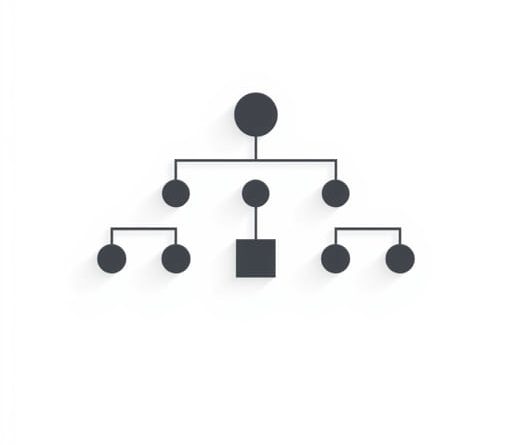
Example Of Organizational Structure
Every successful organization operates based on a clear and efficient structure that guides how tasks are divided, coordinated, and supervised. Whether a small startup or a large multinational corporation, understanding and implementing the right organizational structure can determine a company’s efficiency, communication flow, and ability to respond to change. An organizational structure outlines roles, responsibilities, and the chain of command within a company, ultimately impacting decision-making, strategy execution, and team dynamics.
Understanding Organizational Structure
What Is an Organizational Structure?
An organizational structure is a framework that defines how activities such as task allocation, coordination, and supervision are directed toward achieving organizational goals. It determines how information flows between levels of management and how decisions are made and implemented. An efficient structure aligns employees and departments with the organization’s mission and objectives.
Why Organizational Structure Matters
The structure of an organization influences everything from daily operations to long-term strategy. A well-defined structure helps:
- Improve communication across departments
- Clarify job roles and responsibilities
- Enhance operational efficiency
- Facilitate accountability and performance measurement
- Support growth and scalability
Types of Organizational Structures
1. Functional Structure
This is one of the most common types of organizational structures, especially in medium to large companies. In a functional structure, the organization is divided into departments based on specialized functions such as marketing, finance, human resources, and production.
Example: A manufacturing company might have separate departments for R&D, production, sales, and logistics. Each department is led by a manager who reports to top-level executives.
- Advantages: Clear lines of authority, specialization, efficiency in task execution
- Disadvantages: Limited communication between departments, potential for departmental silos
2. Divisional Structure
This structure organizes the company around products, services, markets, or geographic regions. Each division operates as a semi-autonomous unit with its own resources and functions.
Example: A global consumer goods company may have separate divisions for North America, Europe, and Asia-Pacific, each with its own marketing, HR, and finance teams.
- Advantages: Focus on specific markets or products, greater responsiveness
- Disadvantages: Duplication of resources, increased operational costs
3. Matrix Structure
The matrix structure combines elements of both functional and divisional structures. Employees report to both functional managers and project or product managers. It’s ideal for companies working on multiple complex projects.
Example: A tech company may have engineers reporting to the engineering department head while also working under a project manager on a client-specific product.
- Advantages: Flexibility, better resource utilization, enhanced communication
- Disadvantages: Dual reporting can lead to confusion and conflict, complex management
4. Flat Structure
In a flat organizational structure, there are few levels of management between staff and executives. This model is often used in startups or small organizations where collaboration and rapid decision-making are prioritized.
Example: A digital marketing agency with ten employees where everyone reports directly to the founder.
- Advantages: Faster decision-making, open communication, employee empowerment
- Disadvantages: Role ambiguity, limited scalability as the organization grows
5. Hierarchical Structure
This traditional model features a clear chain of command, from top-level executives to entry-level employees. Each employee reports to a supervisor, and authority flows downward.
Example: A government agency with multiple levels of leadership, such as directors, managers, team leaders, and staff members.
- Advantages: Defined leadership, clear responsibilities, stability
- Disadvantages: Inflexibility, slow communication, and innovation resistance
Choosing the Right Organizational Structure
Key Factors to Consider
Every business is unique, and the right structure depends on various internal and external factors. These include:
- Company size: Larger organizations may benefit from hierarchical or divisional structures, while smaller ones can thrive with flat or functional models.
- Nature of operations: A project-based firm may lean toward a matrix structure to accommodate flexible staffing and collaboration.
- Business strategy: Companies pursuing rapid innovation may require more adaptive structures that support fast decision-making.
- Geographic spread: International businesses often use divisional structures to cater to local markets effectively.
Steps to Develop an Effective Structure
Creating the right structure involves planning and foresight. Here’s a simplified process:
- Define organizational goals and strategies
- Assess current workflows and reporting lines
- Identify gaps or inefficiencies in the current structure
- Choose a model that supports your business objectives
- Communicate the new structure clearly to all stakeholders
- Review and adjust as needed based on performance feedback
Real-World Example: Functional Structure in a Software Company
Scenario
Let’s take an example of a mid-sized software development company with around 200 employees. The company is structured functionally, divided into the following departments:
- Development Team: Handles software design, coding, and testing
- Marketing Department: Promotes the company’s software products and manages online presence
- Sales Team: Works with clients, manages contracts, and drives revenue
- Customer Support: Assists users with issues, collects feedback, and improves satisfaction
- Human Resources: Oversees recruitment, onboarding, and employee engagement
- Finance and Administration: Manages budgets, payroll, and company expenses
Each department is led by a manager who reports to the CEO. This structure allows for specialization and efficient management of resources, but sometimes creates challenges when cross-departmental collaboration is needed, especially for product launches.
Benefits of a Clear Organizational Structure
Improved Communication
When roles and reporting lines are clearly defined, employees know whom to contact for specific tasks or decisions, reducing confusion and delays.
Enhanced Accountability
A structured approach helps establish accountability for individual and team performance. Managers can track progress, provide feedback, and implement improvements where necessary.
Scalability and Growth
As businesses expand, a well-designed organizational structure supports the integration of new teams, locations, and processes without losing operational efficiency.
Better Employee Satisfaction
Employees who understand their roles and how they contribute to broader goals are generally more engaged and productive. A logical structure supports professional growth and collaboration.
An organizational structure is more than just a chart—it’s the backbone of how a business functions. From flat startups to complex matrix organizations, the structure shapes internal culture, communication, and efficiency. By understanding the various types of organizational structures and selecting the one that fits your goals, your organization can operate more effectively, adapt to change, and achieve long-term success.
#kebawah#