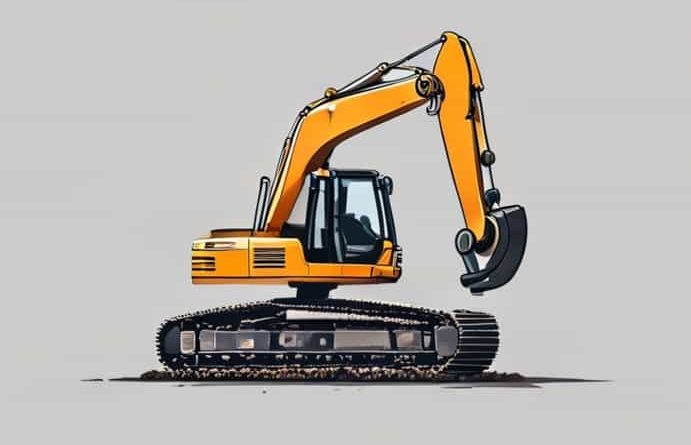
Excavator Slew Ring Replacement
Excavators are essential machines in construction, mining, and heavy-duty earthmoving projects, and their efficiency depends on the proper functioning of all components. One crucial part of an excavator is the slew ring, which allows the upper structure to rotate smoothly on the undercarriage. Over time, the slew ring can wear out, become damaged, or develop operational issues due to constant load, heavy rotation, and exposure to harsh environments. When this happens, replacing the excavator slew ring becomes necessary to maintain performance, ensure safety, and prevent further damage to the machine. Understanding the process of slew ring replacement, along with maintenance tips and operational considerations, is vital for operators, technicians, and fleet managers.
Understanding the Excavator Slew Ring
The slew ring, also known as a swing bearing or turntable bearing, is a critical component that connects the upper and lower structures of an excavator. It allows the upper cabin, boom, and attachment to rotate 360 degrees while the undercarriage remains stationary. Slew rings are typically designed with high-strength steel, incorporate ball or roller bearings, and can support significant axial, radial, and tilting loads. The reliability of the slew ring directly affects the excavator’s precision, maneuverability, and safety during operations.
Common Causes of Slew Ring Damage
Excavator slew rings are exposed to high mechanical stress and environmental factors, making them susceptible to wear and damage. Some common causes of slew ring failure include
- Lack of lubricationInsufficient grease can cause excessive friction and wear on the bearings.
- OverloadingExceeding the machine’s lifting capacity can damage the raceways and bearings.
- ContaminationDirt, debris, and moisture can penetrate seals and accelerate corrosion.
- Improper installationIncorrect torque or alignment can lead to uneven load distribution.
- Fatigue and wearProlonged usage naturally causes material fatigue over time.
Signs That a Slew Ring Needs Replacement
Recognizing the early signs of a failing slew ring can prevent costly downtime and additional damage. Operators should monitor for symptoms such as
- Excessive play or wobbling in the upper structure.
- Unusual noises like grinding, squeaking, or knocking during rotation.
- Hydraulic issues due to uneven load distribution.
- Visible cracks, wear marks, or corrosion on the slew ring or gear teeth.
- Difficulty rotating the excavator or inconsistent movement.
Prompt attention to these indicators ensures timely replacement and reduces the risk of further mechanical failure.
Steps in Excavator Slew Ring Replacement
Replacing a slew ring is a complex task that requires careful planning, specialized tools, and skilled technicians. The process generally involves several key steps to ensure proper installation and optimal performance.
1. Safety and Preparation
Before beginning the replacement, it is essential to ensure safety. This includes
- Parking the excavator on a flat, stable surface and securing it to prevent movement.
- Disconnecting power and hydraulic lines to avoid accidental operation.
- Gathering all necessary tools, such as torque wrenches, hydraulic jacks, and lifting equipment.
- Preparing the new slew ring and inspecting it for defects.
2. Removing the Old Slew Ring
Removal of the existing slew ring involves disassembling parts of the excavator upper structure. Key steps include
- Detaching the cabin, boom, and attachments if necessary for access.
- Loosening and removing the bolts that secure the slew ring to the undercarriage.
- Using lifting equipment or hydraulic jacks to carefully separate the upper structure from the slew ring.
- Cleaning the mounting surfaces and inspecting for any damage to adjacent components.
3. Installing the New Slew Ring
Proper installation is critical to ensure the longevity and performance of the new slew ring. Steps include
- Positioning the new slew ring accurately on the undercarriage, ensuring alignment with bolt holes.
- Gradually tightening bolts in a cross-pattern sequence to achieve even pressure distribution.
- Using a calibrated torque wrench to apply manufacturer-specified torque values.
- Verifying that the raceways and teeth align correctly with the pinion and upper structure.
4. Reassembling and Testing
Once the slew ring is installed, reassemble the upper structure and attachments. Key tasks include
- Reconnecting hydraulic lines and electrical components.
- Applying fresh lubrication to the slew ring bearings and gear teeth.
- Conducting a slow rotation test to ensure smooth movement and proper alignment.
- Checking for unusual noises, play, or misalignment before resuming full operations.
Maintenance Tips for Longevity
Regular maintenance is essential to extend the life of the excavator slew ring and prevent premature replacement. Effective practices include
- Lubricating the slew ring regularly according to the manufacturer’s guidelines.
- Inspecting the ring and seals periodically for wear, cracks, or contamination.
- Monitoring hydraulic and operational loads to avoid overloading.
- Keeping the machine and surrounding area clean to minimize dirt and debris entry.
- Scheduling professional inspections at recommended service intervals.
Benefits of Proper Maintenance
Adhering to maintenance schedules helps maintain smooth operation, reduces the risk of unexpected breakdowns, and minimizes repair costs. It also improves safety for operators and extends the overall lifespan of the excavator.
Common Challenges in Slew Ring Replacement
Replacing an excavator slew ring can be challenging due to the size, weight, and precision required. Common issues include
- Difficulty in lifting and aligning heavy components accurately.
- Corrosion or rusted bolts that complicate removal.
- Misalignment during installation, leading to operational issues.
- Need for specialized tools and technical expertise.
- Downtime affecting project schedules and costs.
Solutions and Best Practices
To overcome these challenges, operators and maintenance teams should
- Use certified technicians with experience in heavy machinery.
- Employ proper lifting and alignment tools for safety and precision.
- Plan replacements during off-peak periods to minimize operational disruption.
- Follow manufacturer manuals and torque specifications carefully.
- Inspect adjacent components for damage to avoid repeated replacements.
Excavator slew ring replacement is a critical maintenance task that ensures the efficiency, safety, and longevity of heavy machinery. Understanding the function of the slew ring, recognizing signs of wear, and following proper replacement procedures are essential for operators and technicians. With careful planning, skilled execution, and regular maintenance, excavators can continue to perform reliably in demanding work environments. Whether used in construction, mining, or earthmoving projects, the proper care and timely replacement of the slew ring help maximize productivity, minimize downtime, and protect the substantial investment in heavy equipment.