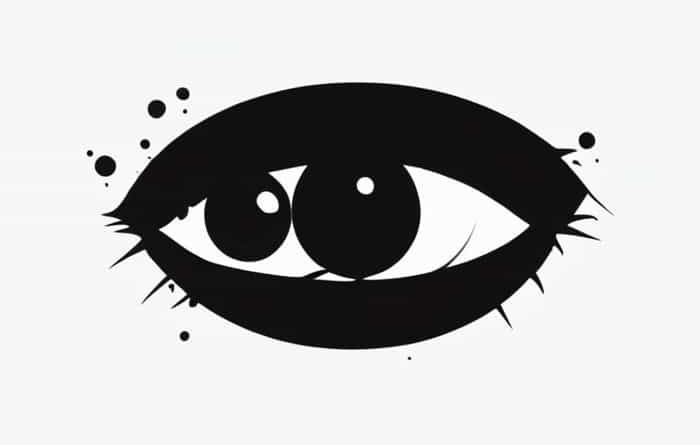
Eyes Of Lurid Mess
Eyes of Lurid Mess is a striking and evocative phrase that captures attention with its vivid imagery and emotional intensity. It evokes a sense of chaos, disarray, or unsettling beauty that can resonate in literature, art, and music. The phrase suggests a visual and emotional experience that is both captivating and disturbing, often used to describe situations, characters, or environments marked by complexity and turmoil. Exploring its interpretation, symbolism, and application can reveal deeper layers of meaning and provide insight into how language can convey both aesthetic and emotional impact. Understanding Eyes of Lurid Mess allows readers and creators to engage with abstract concepts while exploring themes of disorder, perception, and human emotion.
Interpreting the Phrase
The phrase Eyes of Lurid Mess can be interpreted in multiple ways, depending on context. At its core, it combines the sensory element of vision (eyes) with the intense, often unsettling quality implied by lurid mess. This combination suggests a perspective or viewpoint that perceives or embodies chaos, intensity, or moral ambiguity. In literary contexts, it might describe a character who sees the world in a distorted or heightened way, noticing both beauty and horror in their surroundings. In artistic contexts, it may refer to compositions or visuals that evoke discomfort or fascination through contrast, color, or thematic intensity.
Symbolism and Literary Use
In literature, Eyes of Lurid Mess often functions as a symbolic device. The eyes typically represent perception, awareness, or insight, while lurid mess conveys disarray, corruption, or intense emotion. Combined, the phrase might symbolize the act of witnessing or confronting chaos, internal conflict, or societal decay. Authors may use this imagery to illustrate a character’s inner turmoil, moral struggle, or heightened sensitivity to their environment. Its poetic and abstract nature allows writers to evoke complex emotions and provoke thought, making it a powerful tool for thematic exploration.
Artistic and Visual Representation
Artists can interpret Eyes of Lurid Mess through visual mediums such as painting, photography, or digital art. The concept lends itself to experimentation with color, texture, and composition to evoke emotional responses. For instance, contrasting vivid and dark colors, fragmented forms, or chaotic layouts can visually represent the idea of a lurid mess. Eyes, either literal or symbolic, can serve as focal points, guiding viewers to explore the tension, conflict, or intensity within the artwork. Such representations can leave lasting impressions, emphasizing the interplay between beauty, horror, and perception.
Examples in Art and Media
- Abstract paintings that use clashing colors and forms to convey emotional or psychological turmoil.
- Photography capturing chaotic urban scenes or natural disasters through a unique perspective.
- Film or animation using visual distortion, lighting, or surreal imagery to represent confusion or heightened emotional states.
- Music videos or stage performances that incorporate intense visuals to evoke the feeling of disarray and emotional intensity.
Psychological and Emotional Dimensions
From a psychological perspective, Eyes of Lurid Mess can be associated with heightened awareness, emotional intensity, or the perception of disorder. The phrase can describe individuals who are acutely sensitive to emotional or environmental chaos, often perceiving subtleties that others might overlook. In storytelling or creative contexts, such characters might serve as observers, narrators, or artists who interpret and navigate the complexity of human experience. The emotional dimension of the phrase highlights the tension between fascination and discomfort, suggesting that engaging with chaos can lead to insight, growth, or empathy.
Use in Character Development
Writers and creators can use Eyes of Lurid Mess to develop characters who are perceptive, introspective, or affected by disorder. Such characters may
- Notice details that others ignore, revealing hidden truths or complexities.
- Experience internal conflict, reflecting broader themes of chaos or moral ambiguity.
- Serve as narrators or guides through turbulent environments, offering unique perspectives.
- Exhibit sensitivity to beauty and horror simultaneously, providing a layered understanding of human experience.
Metaphorical Implications
Metaphorically, Eyes of Lurid Mess extends beyond literal vision, representing perception, judgment, or awareness. It can imply seeing beyond surface appearances, understanding complexity, or confronting uncomfortable realities. This metaphor can be applied in various contexts, including social commentary, personal reflection, or philosophical exploration. The phrase encourages engagement with ambiguity, prompting audiences to consider multiple interpretations, ethical dilemmas, or emotional landscapes that might otherwise remain unnoticed.
Application in Writing and Creative Expression
Writers and artists can use the phrase to enhance narrative depth and thematic richness. Practical applications include
- Opening lines or titles that immediately evoke intrigue and emotional resonance.
- Descriptive passages emphasizing perception and internal reflection.
- Character-driven stories where protagonists interpret chaotic environments or complex emotions.
- Poetry and prose exploring themes of disorder, perception, and human experience.
Influence on Modern Media and Culture
Eyes of Lurid Mess has influenced contemporary media, particularly in genres that explore psychological, emotional, or societal complexity. Its evocative nature suits experimental literature, surrealist art, and narrative-driven visual media. The phrase appeals to creators who aim to challenge audiences, provoke thought, or explore unconventional perspectives. In online communities, discussions of art, literature, and creative expression often reference the concept to describe works that balance beauty and chaos, intensity and nuance.
Engaging Audiences
Using the concept of Eyes of Lurid Mess allows creators to engage audiences through emotional intensity, visual intrigue, and intellectual challenge. By presenting chaos or complexity in a structured or meaningful way, creators invite viewers or readers to interpret, reflect, and connect with the material on a personal level. This engagement can foster deeper appreciation for narrative, aesthetic, and thematic elements, making the phrase a versatile and impactful tool in creative endeavors.
Eyes of Lurid Mess is a compelling phrase that encapsulates the interplay between perception, chaos, and emotional intensity. Its applications in literature, art, media, and creative expression allow for exploration of complex themes, character development, and aesthetic experimentation. By highlighting the tension between fascination and discomfort, beauty and disorder, the phrase resonates across multiple artistic and intellectual contexts. Whether used metaphorically, symbolically, or literally, Eyes of Lurid Mess provides a rich framework for understanding human perception, emotional depth, and the capacity to find meaning amidst turmoil, offering creators and audiences alike an opportunity to engage with the profound complexity of the world.