Facts About Sub-Saharan Africa
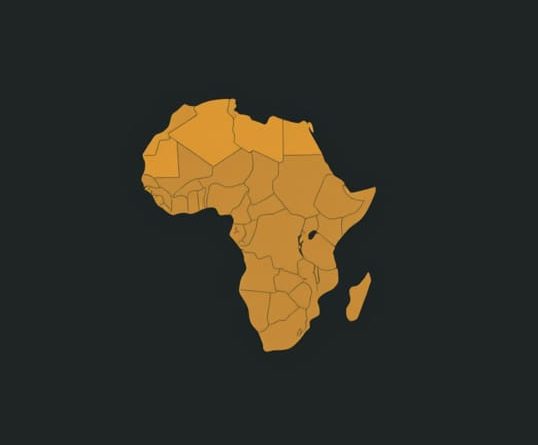
Sub-Saharan Africa is a vast and diverse region that stretches from the southern edge of the Sahara Desert to the southernmost tip of the African continent. It encompasses a wide range of countries, cultures, languages, and ecosystems, making it one of the most dynamic regions in the world. Understanding facts about Sub-Saharan Africa provides insight into its rich history, complex societies, economic development, and environmental significance. This topic explores various aspects of Sub-Saharan Africa, including its geography, demographics, economy, culture, and challenges.
Geography of Sub-Saharan Africa
Sub-Saharan Africa is composed of 46 countries, excluding the North African nations that border the Mediterranean Sea. The region features a diverse landscape that includes savannas, tropical rainforests, deserts, and mountain ranges. Major rivers such as the Nile, Congo, and Niger flow through the area, providing vital water resources for agriculture and transportation. Lake Victoria, the largest lake in Africa, lies within this region and supports a wide variety of biodiversity and human activities.
Climate and Environment
The climate of Sub-Saharan Africa varies significantly, from arid and semi-arid conditions in the Sahel region to humid tropical climates in Central Africa. The region experiences distinct wet and dry seasons, which are critical for agriculture and natural ecosystems. Sub-Saharan Africa is home to unique wildlife, including elephants, lions, giraffes, and numerous bird species, making it an important area for biodiversity conservation.
Population and Demographics
Sub-Saharan Africa is home to over one billion people, representing a wide array of ethnic groups, languages, and cultures. The population is young, with a median age of around 19 years, making it one of the youngest regions in the world. Urbanization is increasing rapidly, with major cities such as Lagos, Nairobi, Johannesburg, and Accra serving as economic and cultural hubs. The region’s linguistic diversity is immense, with thousands of languages spoken, including widely used ones such as Swahili, Hausa, Yoruba, and Zulu.
Culture and Traditions
The cultural heritage of Sub-Saharan Africa is rich and varied, encompassing music, dance, art, and oral traditions that have been passed down through generations. Traditional practices coexist with modern influences, creating a dynamic cultural landscape. Festivals, ceremonies, and communal activities play an essential role in daily life, reflecting the region’s social cohesion and community values.
Economy of Sub-Saharan Africa
Sub-Saharan Africa has a diverse economy, with agriculture, mining, manufacturing, and services forming key sectors. Agriculture remains a major source of employment, with crops such as maize, sorghum, coffee, cocoa, and cotton being widely cultivated. The region is also rich in natural resources, including gold, diamonds, oil, and rare minerals, which contribute to both national and global economies.
Economic Growth and Development
Despite its resource wealth, Sub-Saharan Africa faces challenges such as poverty, income inequality, and limited infrastructure. However, several countries have experienced significant economic growth in recent years, driven by investment in technology, renewable energy, and infrastructure development. Organizations such as the African Union and regional economic communities work to promote trade, cooperation, and sustainable development across the region.
Education and Health
Education and healthcare are critical factors for the development of Sub-Saharan Africa. Access to quality education has improved, with more children attending primary and secondary schools, though challenges remain in rural areas. Health systems are also evolving, with efforts to combat infectious diseases such as malaria, HIV/AIDS, and tuberculosis. Public health initiatives and international partnerships have contributed to improved life expectancy and maternal and child health outcomes.
Challenges and Opportunities
Sub-Saharan Africa faces a variety of challenges, including political instability, climate change, and limited access to clean water and sanitation. Environmental issues, such as deforestation and desertification, also impact agriculture and livelihoods. Despite these challenges, the region holds significant opportunities for growth, innovation, and sustainable development. Investments in technology, renewable energy, and infrastructure are helping to address these issues and unlock the potential of the region’s youthful population.
Political and Social Landscape
The political landscape of Sub-Saharan Africa is diverse, ranging from stable democracies to countries experiencing political unrest. Governance, rule of law, and human rights are ongoing areas of focus, with efforts to strengthen institutions and promote transparency. Civil society organizations, media, and community groups play a key role in advocating for social justice, accountability, and inclusive development.
Global Influence and Trade
Sub-Saharan Africa plays a significant role in global trade, particularly in the export of natural resources, agricultural products, and textiles. Countries such as Nigeria, South Africa, and Kenya serve as economic leaders and regional hubs, facilitating trade within Africa and internationally. Foreign investment and partnerships with other continents contribute to economic growth and development, while also presenting challenges related to resource management and environmental sustainability.
Sub-Saharan Africa is a region of remarkable diversity, resilience, and potential. Its geography, population, culture, and economy contribute to a complex and dynamic environment. While challenges such as poverty, political instability, and environmental pressures persist, the region also offers significant opportunities for development, innovation, and global engagement. Understanding facts about Sub-Saharan Africa provides valuable insight into its historical significance, current trends, and future potential. By addressing key issues and leveraging its human and natural resources, Sub-Saharan Africa can continue to grow and play an increasingly influential role in the global community.