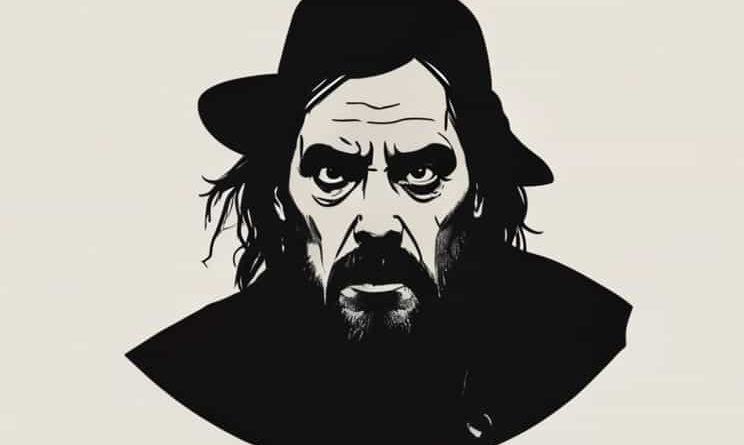
Fear And Loathing Johnny Depp
Johnny Depp’s portrayal in Fear and Loathing in Las Vegas remains one of the most iconic performances of his career, capturing the chaotic energy and surreal atmosphere of Hunter S. Thompson’s famous novel. Released in 1998 and directed by Terry Gilliam, the film explores the wild adventures of Raoul Duke, a journalist, and his attorney Dr. Gonzo as they navigate a hallucinatory journey through Las Vegas. Depp’s interpretation of Duke was both intense and unpredictable, reflecting the drug-fueled, absurd, and often darkly comedic world Thompson envisioned. His performance required a unique blend of physicality, timing, and an understanding of the novel’s satirical tone, making it a defining role in Depp’s expansive career.
The Role of Johnny Depp as Raoul Duke
Johnny Depp brought Raoul Duke to life with a mix of eccentricity, intensity, and vulnerability. As the protagonist, Duke is a thinly veiled version of Hunter S. Thompson himself, a journalist obsessed with exposing the darker undercurrents of American culture. Depp’s performance captured the manic energy of the character, often teetering between humor and chaos. From his exaggerated mannerisms to his erratic speech patterns, Depp fully embodied the persona of a man overwhelmed by the excesses of the world around him. His meticulous attention to detail, including adopting Duke’s unique appearance and behavioral quirks, made the character unforgettable.
Preparation for the Role
To prepare for the role of Raoul Duke, Johnny Depp immersed himself in Hunter S. Thompson’s world. Depp spent time with Thompson, absorbing his mannerisms, voice, and worldview, which allowed him to portray Duke authentically. He studied the book carefully to understand the nuances of the character and the story’s chaotic rhythm. Depp’s preparation extended beyond reading; he worked on capturing the physicality of a drug-addled, disoriented journalist, ensuring that his movements, gestures, and expressions reflected the surreal tone of the narrative.
The Film’s Surreal Aesthetic
Terry Gilliam’s direction amplified the surreal and nightmarish qualities of Thompson’s novel. The visual style of Fear and Loathing in Las Vegas combined vibrant colors, distorted perspectives, and hallucinatory sequences to reflect the characters’ altered states of mind. Johnny Depp’s performance was central to this aesthetic, as he reacted to the bizarre environments and interactions with an intensity that made the audience feel as disoriented as the characters themselves. His expressions and timing were critical in balancing the film’s dark humor with its more unsettling moments, creating a performance that was both captivating and disconcerting.
Interaction with Dr. Gonzo
The dynamic between Raoul Duke and Dr. Gonzo, played by Benicio del Toro, was a key element of the film’s impact. Depp’s chemistry with del Toro brought the chaotic friendship to life, illustrating the extremes of loyalty, fear, and absurdity. The interplay between Duke’s meticulous but unhinged personality and Gonzo’s raw, unpredictable energy created a compelling narrative that mirrored the excesses of the late 20th-century American experience. Depp’s ability to respond organically to del Toro’s improvisations added authenticity and spontaneity to the story, making their interactions some of the most memorable scenes in the film.
Critical Reception of Depp’s Performance
Johnny Depp’s portrayal of Raoul Duke received mixed but largely positive reactions from critics and audiences. While the film itself divided viewers due to its unconventional narrative and surreal imagery, Depp’s performance was frequently praised for its dedication and intensity. Critics noted that he successfully captured the manic energy and absurdity of Thompson’s writing, translating it into a visual and emotional experience. His commitment to the role, from physical transformations to vocal inflections, demonstrated a deep understanding of both the character and the source material.
Challenges of the Role
Playing Raoul Duke posed significant challenges for Depp. The role required embodying a character under constant influence of drugs, navigating highly exaggerated and surreal situations while maintaining believability. Balancing humor, chaos, and moments of genuine reflection demanded precise timing and nuanced performance. Additionally, the physical demands of the role, including erratic movement and expressive facial reactions, tested Depp’s stamina and skill. Despite these challenges, Depp’s dedication ensured a performance that is still celebrated decades later.
Legacy of Fear and Loathing in Las Vegas
The film has since become a cult classic, largely due to Johnny Depp’s unforgettable performance. His portrayal of Raoul Duke set a standard for capturing literary characters on screen, combining physical comedy, dramatic intensity, and surreal exaggeration. The film continues to influence filmmakers, actors, and audiences interested in dark comedy, countercultural critique, and experimental storytelling. Depp’s performance is often cited as a defining example of his versatility and willingness to take on challenging, unconventional roles.
Impact on Popular Culture
Johnny Depp’s Raoul Duke has permeated popular culture in various ways. From references in music and television to Halloween costumes and memes, the character is recognized for his distinctive look, eccentric behavior, and fearless exploration of excess. Depp’s performance has also inspired discussions about the adaptation of literary works to film, demonstrating the potential to faithfully translate complex characters while embracing cinematic creativity. The impact of his role extends beyond the film itself, contributing to ongoing appreciation for Hunter S. Thompson’s work and the countercultural ethos it represents.
Depp’s Career and the Role’s Significance
Fear and Loathing in Las Vegas represents a pivotal moment in Johnny Depp’s career. Known for his collaborations with Tim Burton and roles in mainstream films, this performance highlighted his willingness to embrace challenging and unconventional projects. Depp’s Raoul Duke exemplified his commitment to character immersion, experimentation, and the pursuit of roles that push boundaries. This film, along with others in his repertoire, cemented his reputation as one of the most versatile and daring actors of his generation.
Lessons from Depp’s Performance
Actors and film enthusiasts can learn several lessons from Johnny Depp’s work in Fear and Loathing in Las Vegas. His preparation underscores the importance of understanding the source material and collaborating with real-life inspirations. His ability to balance chaos with clarity demonstrates the value of timing and responsiveness in performance. Moreover, his dedication to physical and emotional authenticity illustrates how actors can create memorable, enduring characters that resonate with audiences across time.
Johnny Depp’s portrayal in Fear and Loathing in Las Vegas remains a testament to his talent, dedication, and creativity. Through his embodiment of Raoul Duke, he brought Hunter S. Thompson’s vivid, chaotic world to life, offering audiences a performance that is both disturbing and hilarious, absurd and deeply human. The film’s surreal aesthetic, Depp’s chemistry with co-stars, and his fearless commitment to the role solidify this performance as a cornerstone of his career. For fans of cinema, literature adaptations, and experimental storytelling, Depp’s Raoul Duke continues to captivate, entertain, and inspire, showcasing the enduring power of fearless and immersive acting.