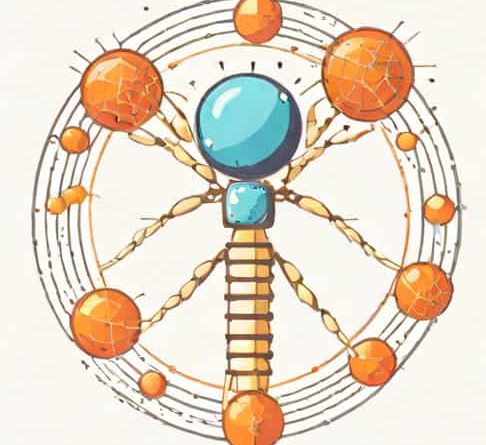
Genetic Recombination In Phage In Hindi
Genetic recombination in phages is an important concept in molecular biology that helps explain how viruses that infect bacteria evolve and adapt. Phages, or bacteriophages, are viruses that specifically infect bacterial cells, and genetic recombination allows them to exchange genetic material to produce new viral strains. This process is crucial for understanding phage diversity, evolution, and applications in biotechnology. In Hindi, genetic recombination can be referred to as à¤à¤¨à¥à¤µà¤à¤¶à¤¿à¤ पà¥à¤¨à¤°à¥à¤¸à¤à¤ à¥à¤à¤¨, and studying this process provides insights into how phages develop new traits, resist bacterial defenses, and contribute to horizontal gene transfer in microbial communities. Understanding recombination mechanisms in phages has practical implications for phage therapy, genetic engineering, and bacterial genetics research.
Phages and Their Genetic Structure
Phages consist of genetic material, which can be either DNA or RNA, enclosed in a protein coat called a capsid. Some phages also have tail structures that help them attach to and inject their genetic material into bacterial hosts. The genetic material of phages contains genes that encode proteins necessary for replication, assembly, and infection. Genetic recombination in phages occurs when two or more phages infect the same bacterial cell, allowing their genomes to interact and exchange segments. This interaction can produce progeny phages with new combinations of genes, enhancing diversity and adaptability.
Types of Genetic Recombination in Phages
Phages undergo several types of genetic recombination, each with distinct mechanisms and outcomes. These types include
- Homologous RecombinationThis occurs when similar or identical DNA sequences from different phages align and exchange segments. It usually requires the presence of bacterial enzymes that facilitate DNA strand invasion and exchange.
- Illegitimate RecombinationAlso called non-homologous recombination, this happens between DNA sequences that are not similar. It is less frequent but can result in significant genetic changes.
- Site-Specific RecombinationIn this type, recombination occurs at specific DNA sequences recognized by recombinase enzymes. This mechanism is used by some temperate phages during integration into the host genome.
Mechanism of Genetic Recombination in Phages
The process of genetic recombination in phages begins when multiple phages infect the same bacterial host, creating an environment where their genomes can interact. During homologous recombination, DNA strands from different phages align, break, and exchange segments with the help of enzymes such as RecA in bacteria. Site-specific recombination involves recognition of particular DNA sequences, leading to precise insertion or exchange of genetic material. Illegitimate recombination can occur randomly and may result in insertions, deletions, or rearrangements. These mechanisms contribute to the generation of genetic diversity and the evolution of new phage strains.
Role of Host Bacteria
Host bacteria play a significant role in facilitating genetic recombination in phages. Enzymes produced by bacteria, such as DNA ligases, exonucleases, and recombinases, assist in breaking and joining DNA strands. Additionally, bacterial defense systems, like restriction-modification systems, can influence which recombination events are successful. By providing the cellular machinery for recombination, bacteria indirectly drive phage evolution and diversity. This interaction between phages and their bacterial hosts is an essential aspect of microbial ecology and evolutionary biology.
Importance of Genetic Recombination in Phages
Genetic recombination in phages is critical for several reasons
- Generation of Genetic DiversityRecombination produces new gene combinations, allowing phages to adapt to changing bacterial populations.
- Evolutionary AdaptationBy acquiring new traits, phages can overcome bacterial defense mechanisms and survive environmental challenges.
- Horizontal Gene TransferPhages can transfer genes between bacteria, facilitating the spread of genetic material and influencing bacterial evolution.
- Applications in BiotechnologyUnderstanding recombination enables scientists to engineer phages for therapy, bacterial detection, and genetic studies.
Implications for Phage Therapy
Phage therapy, which uses bacteriophages to treat bacterial infections, benefits from the study of genetic recombination. Recombination can create phages with enhanced infectivity, broader host range, or resistance to bacterial defenses. By understanding and harnessing recombination mechanisms, scientists can design phages that are more effective against antibiotic-resistant bacteria. Additionally, recombination studies help predict potential evolutionary changes in therapeutic phages, ensuring safety and efficacy in clinical applications.
Research Methods for Studying Phage Recombination
Several experimental techniques are used to study genetic recombination in phages. Classical methods include co-infection experiments, where two different phage strains infect the same bacterial culture, and progeny phages are analyzed for new genetic combinations. Molecular biology techniques, such as DNA sequencing, polymerase chain reaction (PCR), and restriction mapping, are also employed to detect recombination events. These methods allow researchers to track specific gene exchanges, study the frequency of recombination, and understand the factors that influence it.
Experimental Considerations
- Choice of phage strains with distinguishable genetic markers.
- Use of bacterial hosts with functional recombination enzymes.
- Controlled environmental conditions to maximize co-infection and recombination rates.
- Molecular analysis of progeny phages to identify recombination events accurately.
Challenges and Future Directions
While genetic recombination in phages is well-documented, several challenges remain. Predicting recombination outcomes is difficult due to the random nature of some recombination events. Additionally, recombination can lead to unexpected changes in phage behavior, including the emergence of virulent strains. Future research aims to better understand the molecular mechanisms, develop computational models to predict recombination, and apply this knowledge in biotechnology and medicine. Advances in genome sequencing and CRISPR technology are expected to enhance our ability to study and manipulate phage recombination for practical applications.
Genetic recombination in phages is a fundamental process that drives phage diversity, evolution, and adaptation. Through homologous, site-specific, and illegitimate recombination, phages exchange genetic material to produce new strains capable of surviving in dynamic bacterial environments. Host bacteria play a crucial role by providing enzymes and cellular machinery necessary for recombination. Understanding these mechanisms has important implications for phage therapy, bacterial genetics, and biotechnology. Research in this field continues to expand our knowledge of viral evolution and opens new possibilities for using phages in medicine and industry. Studying genetic recombination in phages in Hindi, or फà¥à¤à¤¼ मà¥à¤ à¤à¤¨à¥à¤µà¤à¤¶à¤¿à¤ पà¥à¤¨à¤°à¥à¤¸à¤à¤ à¥à¤à¤¨, bridges molecular biology concepts with practical applications, making it an essential topic for scientists and students alike.