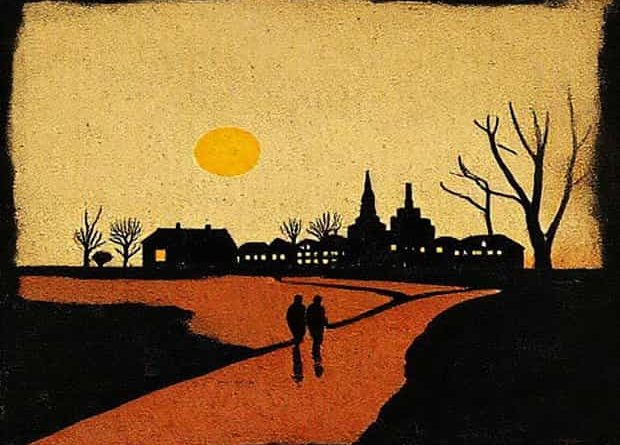
Geo De Vlaminck Peintre
Geo de Vlaminck was a prominent painter whose work left a lasting mark on early 20th-century art. Known for his expressive style and vibrant use of color, de Vlaminck became one of the leading figures in the Fauvist movement, which emphasized bold, non-naturalistic colors and dynamic brushwork. His paintings often capture emotional intensity, blending raw energy with meticulous composition. Through his dedication to color, form, and expressive power, de Vlaminck developed a distinctive artistic voice that continues to influence art enthusiasts and collectors today.
Early Life and Artistic Beginnings
Geo de Vlaminck was born in Paris, a city that served as the center of artistic innovation during the late 19th and early 20th centuries. Growing up amidst this vibrant cultural environment, he developed a keen interest in painting and the visual arts from a young age. De Vlaminck studied at various art institutions, where he was exposed to classical techniques as well as emerging modernist movements. His early work reflected both academic training and a growing fascination with bold experimentation, which later became a hallmark of his artistic career.
Influences and Fauvism
De Vlaminck became closely associated with Fauvism, a revolutionary art movement led by painters such as Henri Matisse and André Derain. Fauvism rejected traditional representation in favor of expressive color and simplified forms. Inspired by these principles, de Vlaminck began exploring the use of vivid, often contrasting colors to convey emotion and intensity. Unlike more restrained approaches to painting, Fauvist works sought to evoke a direct emotional response from viewers. De Vlaminck embraced this philosophy, using color as a primary tool for expression rather than mere depiction.
Artistic Style and Techniques
Geo de Vlaminck’s style is characterized by its bold, vibrant palette and energetic brushwork. He often painted landscapes, portraits, and scenes of everyday life, but his approach transformed ordinary subjects into visually striking compositions. The use of intense, non-naturalistic colors is a defining feature of his work, creating a sense of vitality and immediacy. De Vlaminck’s technique combined broad, expressive strokes with careful attention to composition, resulting in paintings that feel both spontaneous and structured.
Color and Emotion
For de Vlaminck, color was not just a decorative element but a means of expressing emotional depth. He often employed complementary colors in high contrast to create tension, energy, and visual impact. Whether depicting a serene landscape or a bustling urban scene, his palette communicates mood and feeling, drawing viewers into the world he created on canvas. This mastery of color allowed him to convey complex emotional states, ranging from joy and vitality to melancholy and introspection.
Brushwork and Composition
De Vlaminck’s brushwork is another key aspect of his artistry. Bold, confident strokes convey movement and energy, while areas of careful layering demonstrate his technical skill. He often used thick paint to create texture and depth, enhancing the tactile quality of his work. In terms of composition, de Vlaminck balanced dynamic movement with thoughtful arrangement, ensuring that each element contributed to the overall visual impact. This combination of expressive technique and compositional precision distinguishes his paintings and solidifies his reputation as a master Fauvist painter.
Notable Works
Geo de Vlaminck created a wide range of paintings throughout his career, many of which remain highly regarded and sought after by collectors. Some of his notable works include landscapes depicting the French countryside, intimate portraits, and vibrant city scenes. These paintings showcase his signature style vivid colors, expressive brushwork, and an ability to convey both mood and atmosphere. His landscapes, in particular, reveal a deep appreciation for natural light and color, transforming ordinary scenes into radiant visual experiences.
Landscapes and Nature
In his landscape paintings, de Vlaminck often focused on rural French settings, capturing the essence of the environment through color and form. Fields, rivers, and village streets appear alive with movement and energy, emphasizing the artist’s ability to translate sensory experience into visual art. The Fauvist influence is evident in the unconventional color choices, where skies may be painted in deep blues or rich purples, and trees in striking oranges and greens. These choices create a heightened sense of reality that resonates emotionally with viewers.
Portraits and Human Expression
De Vlaminck’s portraits reveal his fascination with human character and emotion. He often used color and brushstroke to convey personality traits, mood, and vitality. Subjects are depicted with bold outlines and intense colors, reflecting the inner life of the individual. By emphasizing emotional resonance over photographic realism, de Vlaminck created portraits that are both compelling and psychologically insightful, bridging the gap between visual representation and expressive interpretation.
Legacy and Influence
Geo de Vlaminck’s contribution to Fauvism and modern art is significant. His exploration of color, emotion, and form influenced subsequent generations of artists and continues to inspire contemporary painters. Museums and galleries around the world feature his work, highlighting his role as a key figure in early 20th-century art. Collectors value his paintings not only for their aesthetic appeal but also for their historical importance in the development of modernist movements.
Art Market and Collectibility
De Vlaminck’s works are highly collectible and often appear in auctions and exhibitions. His paintings are appreciated for their vibrant color schemes, expressive technique, and historical significance. Collectors and art enthusiasts recognize the importance of his contribution to Fauvism and the broader narrative of modern art. The market for his work continues to demonstrate strong interest, reflecting the enduring appeal of his bold and expressive style.
Recognition and Exhibitions
Throughout his career, Geo de Vlaminck exhibited widely, gaining recognition among peers and critics alike. Major exhibitions featured his landscapes, portraits, and urban scenes, establishing him as a prominent figure within the Fauvist movement. Today, his works are studied in art history programs, displayed in major art institutions, and admired for their innovation, color mastery, and expressive power.
Geo de Vlaminck remains an important figure in the history of modern art, known for his vibrant Fauvist style, expressive brushwork, and bold use of color. His landscapes, portraits, and city scenes demonstrate a mastery of emotional expression and visual composition, capturing the essence of his subjects in a unique and compelling way. De Vlaminck’s work continues to inspire artists, collectors, and art enthusiasts, highlighting the enduring influence of Fauvism and the transformative power of color in painting.
Through his dedication to expressive technique and artistic exploration, Geo de Vlaminck left a lasting legacy that bridges the past and present. His paintings are not only visual masterpieces but also historical documents that reflect the creativity, experimentation, and passion of early 20th-century French art. For those interested in color, emotion, and the evolution of modern painting, de Vlaminck’s work offers endless insight and inspiration.