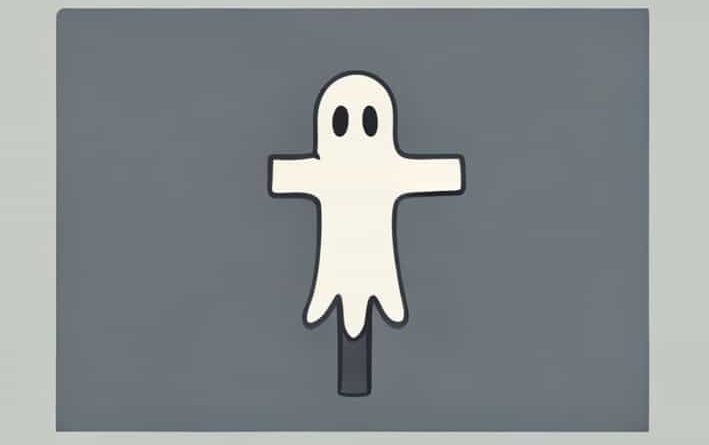
Ghost Mary On A Cross
The image of a ghostly Mary on a cross is one of the most haunting and evocative visions in religious folklore and modern spiritual narratives. It combines elements of Christian iconography with supernatural intrigue, evoking a sense of reverence and unease simultaneously. Many people report seeing visions of Mary, the mother of Jesus, in unexpected places, but the depiction of her as a ghostly figure on a cross adds an eerie layer of mysticism. This phenomenon has inspired discussions about faith, the afterlife, and the ways in which spiritual figures can manifest beyond traditional representations. Whether seen in dreams, paintings, or claimed apparitions, the ghostly Mary on a cross symbolizes both suffering and transcendence, offering a unique perspective on the intersection of human emotion and divine presence.
The Origins of the Ghostly Mary Iconography
The concept of Mary appearing in ghostly forms is not entirely new. Throughout history, Christian mystics and visionaries have reported apparitions of Mary, often described as ethereal and luminous. These sightings have been associated with moments of great spiritual significance or crisis, conveying messages of hope, warning, or consolation. The specific imagery of Mary on a cross, however, is a more modern interpretation, blending the traditional crucifixion motif with supernatural and ghostly qualities. This unique representation suggests a fusion of grief, sacrifice, and spiritual guidance, making it a compelling subject for both religious scholars and paranormal enthusiasts.
Religious Symbolism Behind Mary on a Cross
The symbolism of Mary on a cross can be interpreted in multiple layers. In Christian tradition, the cross represents the ultimate sacrifice, the suffering of Jesus, and redemption for humanity. Mary, as his mother, embodies compassion, sorrow, and unwavering faith. When depicted as a ghostly figure on a cross, she represents a spiritual bridge between the mortal and the divine, between human suffering and transcendence. Her ghostly appearance emphasizes the ethereal nature of her intercessory power, suggesting that her presence is not bound by physical reality but exists in the spiritual realm.
Accounts and Sightings
Various accounts of ghostly Mary sightings exist, ranging from personal experiences in private homes to reports near churches and historical sites. Witnesses often describe a translucent figure, glowing faintly, sometimes appearing in moments of deep prayer or emotional distress. These experiences are often accompanied by a sense of calm, a feeling of being watched over, or even messages that are interpreted as guidance or warning. Some paranormal researchers suggest that these sightings may be manifestations of collective spiritual energy, while others believe they are divine interventions meant to strengthen faith and awareness.
Locations Associated with Apparitions
- Old churches and cathedrals where Mary has traditionally been venerated.
- Private homes where sudden unexplained phenomena occur.
- Historical sites connected to Marian apparitions, such as Lourdes and Fatima.
- Places with deep personal significance to the witnesses, often tied to moments of grief or crisis.
Interpretations and Meanings
The ghostly Mary on a cross can be interpreted through spiritual, psychological, and cultural lenses. Spiritually, she represents comfort and guidance during times of suffering, serving as a reminder of divine presence and maternal care. Psychologically, the image may emerge from the subconscious, reflecting personal grief, longing, or the need for reassurance. Culturally, this imagery resonates with the ongoing human fascination with ghosts, the afterlife, and sacred apparitions. The combination of Mary’s traditional symbolism with ghostly traits amplifies emotional impact, making her appearance deeply memorable to those who witness or imagine it.
Artistic Representations
Artists have explored the theme of ghostly Mary on a cross in paintings, digital art, and sculptures. The ghostly effect is often achieved through translucent materials, soft lighting, and a muted color palette, creating an ethereal and almost otherworldly presence. These works aim to evoke reflection on sacrifice, compassion, and spiritual mystery. By blending religious symbolism with elements of the supernatural, artists encourage viewers to consider the unseen dimensions of faith and the enduring power of maternal love beyond life and death.
Contemporary Influence
In contemporary culture, the ghostly Mary on a cross has influenced not only art but also literature, film, and popular discussions about spirituality. Authors and filmmakers often use this imagery to explore themes of redemption, grief, and the boundary between life and death. Social media platforms have further spread stories and artistic depictions, giving rise to communities interested in supernatural phenomena and religious visions. The enduring fascination suggests that this figure resonates deeply with human experiences of loss, hope, and the search for divine presence.
Psychological and Spiritual Impact
For believers, encountering the image of a ghostly Mary on a cross can reinforce faith, provide emotional solace, and inspire reflection on personal trials. For non-religious observers, the imagery can evoke curiosity about the unknown, provoke contemplation about mortality, and spark interest in paranormal studies. Whether interpreted as a genuine spiritual encounter or a powerful symbol, the ghostly Mary on a cross represents a blend of fear, wonder, and profound reverence.
The ghostly Mary on a cross remains a powerful and mysterious symbol that captures human imagination. Combining elements of Christian iconography with supernatural qualities, she embodies sacrifice, maternal care, and divine guidance. Sightings and artistic depictions continue to inspire reflection, offering both emotional comfort and spiritual insight. Whether considered a divine apparition, a psychological manifestation, or an artistic concept, the ghostly Mary on a cross illustrates the enduring human fascination with the sacred and the mysterious, reminding us of the deep emotional and spiritual currents that shape our understanding of life, death, and the beyond.