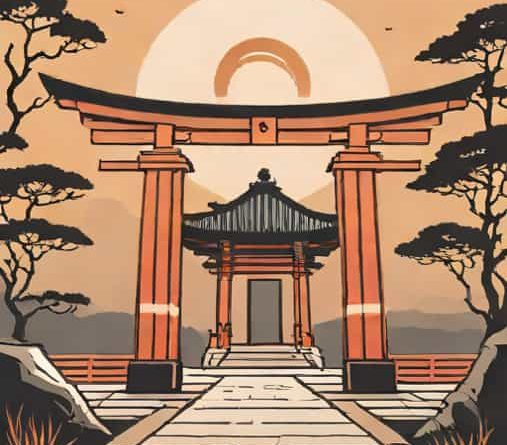
Ghost Of Tsushima Shinto Shrines 16 17
In the critically acclaimed video gameGhost of Tsushima, players explore the beautiful and historically inspired island of Tsushima, where they encounter a rich landscape filled with cultural landmarks, natural beauty, and hidden secrets. Among the game’s many collectibles, Shinto Shrines stand out as significant points of interest that reward players with charms and upgrades for Jin Sakai, the protagonist. Specifically, Shinto Shrines 16 and 17 provide unique experiences and challenges, combining exploration, puzzle-solving, and the serene beauty of the island’s landscapes. These shrines not only contribute to the gameplay mechanics but also enhance the immersive cultural atmosphere, allowing players to engage deeply with the spiritual and historical elements of feudal Japan.
Understanding Shinto Shrines in Ghost of Tsushima
Shinto Shrines inGhost of Tsushimaserve both narrative and gameplay purposes. They are scattered across the island and require players to carefully explore the terrain to locate them. Each shrine offers a charm upgrade, enhancing Jin’s abilities in combat and stealth. Players often must solve environmental puzzles or follow subtle visual cues to reach these sacred sites, making the journey itself a rewarding adventure.
Shinto Shrine 16 Location and Guide
Shinto Shrine 16 is nestled in the northern region of Izuhara, surrounded by dense forests and rolling hills. To find this shrine, players must pay attention to visual indicators, such as torii gates and subtle lighting patterns that guide the way. Once located, the shrine typically presents a small puzzle that involves interacting with environmental elements, such as lanterns, stone paths, or nearby shrines, in a specific sequence.
- Visual CuesFollow the torii gates and glowing markers to locate the entrance.
- Puzzle MechanicsOften requires arranging stones or activating symbols in the correct order.
- RewardPlayers receive a charm that increases health or stamina, providing a tangible gameplay benefit.
Completing Shrine 16 not only enhances Jin’s abilities but also encourages players to slow down and appreciate the scenic vistas of Tsushima, reinforcing the game’s emphasis on exploration and mindfulness. The combination of visual storytelling, environmental puzzles, and spiritual symbolism makes this shrine a memorable point of interest.
Shinto Shrine 17 Location and Challenges
Shinto Shrine 17 is located further east in the Toyotama region, characterized by bamboo forests and coastal landscapes. Unlike Shrine 16, reaching this shrine often requires navigating narrow cliffside paths and crossing small rivers. The challenge lies not just in finding the shrine but also in overcoming environmental obstacles that test the player’s platforming and observation skills.
- Navigation TipsUse the Guiding Wind mechanic to follow subtle directional cues.
- Environmental PuzzleInvolves lighting multiple lanterns in a specific sequence or interacting with nearby statues.
- RewardUnlocks a charm that boosts Jin’s stealth or combat efficiency, giving players more strategic options.
Shrine 17 also provides an opportunity to witness the dynamic weather and lighting effects of the game, enhancing the aesthetic and immersive qualities. Players are encouraged to explore side paths and hidden areas along the way, often uncovering additional collectibles or scenic viewpoints.
Tips for Locating and Completing Shinto Shrines
Finding Shinto Shrines 16 and 17 requires careful attention to detail and an understanding of the game’s exploration mechanics. The following tips can help players efficiently locate and complete these shrines
- Pay attention to torii gates and subtle markers that indicate shrine locations.
- Use the Guiding Wind feature to highlight potential paths to shrines.
- Observe environmental cues such as glowing symbols, flowing water, or distinctive trees.
- Interact with objects in the surrounding environment to solve shrine puzzles.
- Take your time to explore off the main path, as hidden routes often lead to these sacred sites.
These strategies ensure that players not only find the shrines but also fully engage with the puzzle-solving aspects, enhancing both gameplay satisfaction and immersion.
The Cultural Significance of Shinto Shrines in the Game
Shinto Shrines inGhost of Tsushimaare inspired by real-world Shinto practices and sacred sites. The game developers meticulously designed each shrine to reflect the spiritual and aesthetic qualities of Japanese Shinto architecture, including torii gates, stone lanterns, and carefully placed natural elements. Visiting these shrines in the game provides players with a sense of reverence and tranquility, echoing the contemplative nature of Shinto worship in real life.
Symbolism and Spiritual Rewards
Beyond tangible gameplay benefits, the shrines symbolize reflection, gratitude, and respect for nature. Each shrine encourages players to pause, reflect on Jin Sakai’s journey, and engage with the environment mindfully. The act of completing a shrine, therefore, is both a practical enhancement and a thematic reinforcement of the game’s narrative, highlighting the connection between the warrior’s path and spiritual awareness.
Exploration and Environmental Storytelling
Shinto Shrines 16 and 17 are also exemplary of the game’s approach to environmental storytelling. As players traverse forests, hills, rivers, and coastal paths, the surrounding scenery tells a story about the land, history, and people of Tsushima. Encountering these shrines provides context to the larger narrative, offering glimpses into the culture and traditions that Jin seeks to protect.
- Forests and hills illustrate the natural beauty and strategic importance of Tsushima.
- Cliffside paths and river crossings demonstrate the challenges of the terrain.
- Shrines serve as cultural touchstones, connecting the protagonist to the island’s spiritual heritage.
Shinto Shrines 16 and 17 inGhost of Tsushimaoffer players more than just collectible charms; they provide immersive experiences that blend exploration, puzzle-solving, and cultural appreciation. By navigating the lush landscapes, solving environmental puzzles, and engaging with these sacred sites, players gain tangible gameplay benefits while also deepening their connection to the game’s rich narrative and spiritual themes. The shrines exemplify the game’s attention to detail, aesthetic beauty, and commitment to creating an authentic and engaging representation of Tsushima. For players seeking to fully experience the game, visiting and completing these shrines is an essential part of the journey, offering moments of reflection, challenge, and reward that enhance the overall gaming experience.