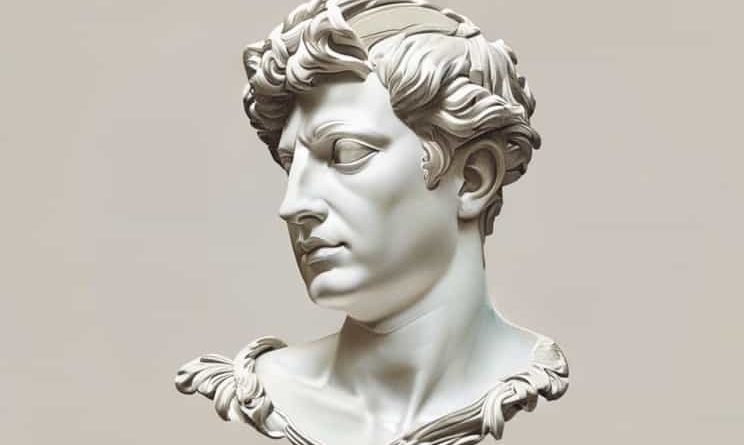
Gian Lorenzo Bernini Louis Xiv
Gian Lorenzo Bernini, one of the most influential artists of the Baroque era, left an indelible mark on European art, architecture, and sculpture, and his connections to royalty extended across borders, including notable influence on the court of Louis XIV of France. Bernini, born in Naples in 1598, became a master of dynamic sculpture and grand architectural projects in Rome, captivating patrons with his ability to combine emotional intensity, technical brilliance, and theatrical design. While Bernini never directly worked extensively for Louis XIV, his ideas, style, and innovations profoundly influenced French art and the Sun King’s vision for Versailles and the projection of monarchical power through grandeur and spectacle.
The Life and Artistic Legacy of Gian Lorenzo Bernini
Bernini’s early life in Naples was shaped by his father, Pietro Bernini, a sculptor who introduced him to the art world. By the time he moved to Rome, Gian Lorenzo had developed a remarkable skill in sculpture, quickly earning recognition for his ability to infuse marble with life and movement. His work is characterized by dramatic compositions, expressive gestures, and a sense of movement that transcends the static nature of stone. Among his most famous works are Apollo and Daphne, The Ecstasy of Saint Teresa, and his monumental contributions to St. Peter’s Basilica, including the piazza and the Baldachin. Bernini’s influence on European aesthetics, particularly in the way art could serve political and religious propaganda, was profound and far-reaching.
Bernini and the French Court
During the 17th century, Louis XIV sought to establish France as a cultural and political powerhouse, and he admired the splendor of Italian art. Bernini was invited to Paris in 1665 to provide designs and guidance for the expansion of the Louvre. Although Bernini’s ambitious plans were ultimately modified and partially rejected by French architects, the encounter left a significant mark on French artistic culture. The Sun King and his court were inspired by Bernini’s theatricality and his vision of blending architecture, sculpture, and urban space to demonstrate power and authority. Bernini’s approach to monumental scale, emotional expression, and integration of sculpture into architectural spaces resonated with Louis XIV’s desire to centralize power and create awe-inspiring spaces that projected royal magnificence.
Architectural Influence on Versailles
While Bernini did not directly design Versailles, his influence can be traced in the Baroque principles that informed its construction. Louis XIV’s architects, including Louis Le Vau and Jules Hardouin-Mansart, drew inspiration from Italian Baroque ideas championed by Bernini, such as dramatic axial perspectives, theatrical staircases, and sculptural decoration that conveyed movement and vitality. The Hall of Mirrors, the expansive gardens, and the integration of fountains and statuary echo the grandiose spirit that Bernini embodied in Rome. The emphasis on creating a visually cohesive and emotionally powerful environment, a hallmark of Bernini’s work, became central to the expression of Louis XIV’s absolute monarchy.
Sculpture and Royal Imagery
Bernini’s mastery in portraying dynamic, lifelike figures influenced how royal portraiture and statuary were conceived in France. Louis XIV commissioned sculptures and paintings that celebrated his power, often depicting him in poses reminiscent of Roman emperors and heroic figures. This approach mirrors Bernini’s technique of blending realism with idealization, capturing both physical presence and symbolic authority. Sculptors at the French court adopted his methods of conveying movement and emotion, using gestures, drapery, and carefully composed facial expressions to communicate strength, grace, and divine sanction. Bernini’s emphasis on theatricality and symbolism helped shape the visual language through which Louis XIV projected his rule to both domestic and international audiences.
The Cultural Exchange Between Italy and France
The interaction between Bernini and Louis XIV highlights the broader cultural exchange between Italy and France during the 17th century. Italian artists, architects, and sculptors were admired and often employed across European courts, bringing the Baroque style to new contexts. Bernini’s visit to France exemplified the circulation of ideas, where French artists adapted Italian techniques while infusing them with local tastes and preferences. This fusion created a distinct French Baroque identity, characterized by grandeur, formal symmetry, and an emphasis on spectacle, which became a defining feature of Louis XIV’s reign and the architectural legacy of Versailles.
Bernini’s Enduring Impact on French Art
Although Bernini’s direct contributions to France were limited, his influence persisted through the work of French artists who studied his techniques, both in sculpture and architectural design. Artists such as François Girardon and Antoine Coysevox embraced Bernini’s dynamic forms and dramatic presentation, integrating them into public monuments, garden statuary, and palace decorations. The emphasis on theatricality, emotional intensity, and narrative clarity in art became central to French Baroque aesthetics, shaping the artistic environment during Louis XIV’s rule and for generations that followed. Bernini’s philosophy that art should evoke both admiration and emotional engagement resonated deeply with the Sun King’s objectives.
The Intersection of Art, Politics, and Power
The relationship between Bernini’s artistic vision and Louis XIV’s political ambitions underscores how art served as a tool of statecraft. Bernini demonstrated that architecture and sculpture could communicate authority, inspire awe, and legitimize power. Louis XIV adopted these principles, ensuring that the design of Versailles, the presentation of court ceremonies, and the commissioning of public monuments all reflected his absolute power. Bernini’s work provided a model for integrating artistic innovation with political messaging, emphasizing that beauty, drama, and precision could reinforce the image of a ruler as divinely sanctioned and culturally superior.
Legacy and Historical Significance
Bernini’s impact on Louis XIV and the French Baroque tradition is a testament to the cross-cultural dialogue between Italy and France. Even without extensive commissions in France, Bernini’s ideas shaped the evolution of French art and architecture, influencing how monarchy, culture, and aesthetics intertwined. His legacy is evident in the grandeur of Versailles, the dynamism of French sculpture, and the integration of art into the representation of political authority. Bernini remains celebrated not only for his technical brilliance but also for his ability to transform spaces into immersive experiences that communicate power, spirituality, and human emotion.
Gian Lorenzo Bernini’s relationship with Louis XIV reflects the profound ways in which art can transcend borders and inspire generations. While his direct involvement in France was limited, his stylistic innovations, dramatic sculptural forms, and architectural concepts left an enduring imprint on the French Baroque tradition. Louis XIV, seeking to consolidate power and project magnificence, drew inspiration from Bernini’s mastery of drama, movement, and symbolism. The resulting French Baroque culture, exemplified in Versailles and royal imagery, stands as a testament to Bernini’s influence and the enduring dialogue between Italian and French artistic excellence. Through this intersection of genius and ambition, Bernini and Louis XIV together shaped a vision of art as a powerful instrument of cultural and political expression, leaving a legacy that continues to captivate historians, artists, and admirers around the world.