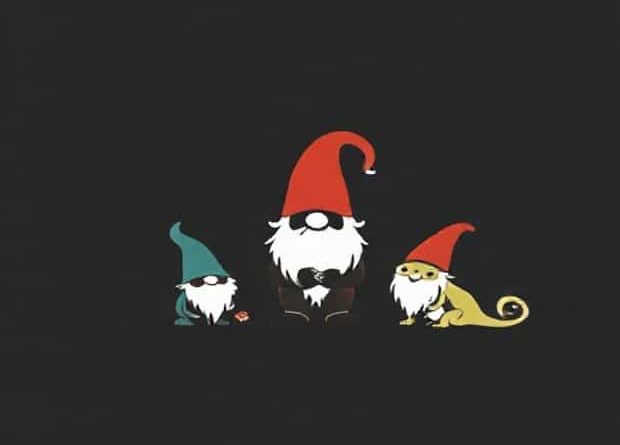
Gnomes, Undines, Sylphs, And Salamanders
Across different cultures and centuries, people have been fascinated by mystical beings that embody the forces of nature. Among the most enduring of these are gnomes, undines, sylphs, and salamanders. These elemental spirits represent earth, water, air, and fire, and their symbolism continues to spark interest in folklore, literature, and even modern spiritual practices. Exploring their characteristics and significance reveals how deeply humans have connected the natural world with mythical guardians and unseen energies.
The Elemental Connection
The idea of elemental beings dates back to ancient philosophies, particularly those that viewed the universe as composed of four primary elements earth, water, air, and fire. Each element was believed to have invisible intelligences or spirits associated with it. Gnomes, undines, sylphs, and salamanders became the symbolic personifications of these forces. While they are not universally present in every mythological system, they appear frequently in European lore and gained popularity through Renaissance occultism and later spiritual writings.
Gnomes Guardians of the Earth
Gnomes are most often depicted as small, sturdy beings that live underground, tending to minerals, gems, and the hidden riches of the earth. They are associated with stability, resilience, and the grounding qualities of the soil. In folklore, gnomes are sometimes portrayed as protectors of buried treasures, punishing those who dig too greedily.
Traits of Gnomes
- Connection to caves, mountains, and forests.
- Symbol of practicality, patience, and endurance.
- Often imagined as short, elderly figures with long beards.
In modern symbolism, gnomes are thought to represent a respect for nature and the wisdom found in stillness and observation. Their earthy qualities make them important figures in stories that highlight humility and resourcefulness.
Undines Spirits of Water
Undines are linked to rivers, lakes, oceans, and all forms of flowing water. They are often portrayed as graceful, feminine beings who embody emotional depth and intuition. In legends, undines could bless humans with beauty or inspiration, but they could also be unpredictable, reflecting the ever-changing nature of water.
Traits of Undines
- Associated with emotion, love, and the subconscious mind.
- Commonly depicted as mermaid-like figures or water nymphs.
- Represent adaptability and cleansing energy.
Undines highlight the importance of emotional intelligence and connection to one’s inner self. Just as water sustains life, these elemental beings symbolize renewal, healing, and the cycles of flow and change.
Sylphs Spirits of the Air
Sylphs are airy beings linked to the winds, clouds, and atmosphere. They are often imagined as invisible or barely perceptible, representing intellect, imagination, and communication. Renaissance writings described sylphs as tall, graceful, and elusive, floating among the skies like currents of air.
Traits of Sylphs
- Represent clarity of thought and inspiration.
- Associated with dreams, creativity, and higher knowledge.
- Seen as guides of communication and breath of life.
The air element carries ideas and inspiration across distances, and sylphs symbolize this invisible exchange. Their ethereal qualities make them powerful symbols in poetry and spirituality, where they often represent freedom and enlightenment.
Salamanders Spirits of Fire
Salamanders are perhaps the most misunderstood of the elemental beings. Unlike the modern association with amphibians, in folklore they were seen as mystical creatures embodying the force of fire. They were believed to dwell within flames and represent transformation, energy, and passion.
Traits of Salamanders
- Connected with courage, willpower, and vitality.
- Symbolize destruction and creation, as fire has the power to burn but also to renew.
- Often depicted as lizard-like beings glowing within flames.
Salamanders embody the unpredictable and intense nature of fire. They serve as reminders of the necessity of passion, the dangers of uncontrolled anger, and the creative power of transformation.
Comparing the Four Elementals
Though each elemental spirit embodies a different force, together they represent balance in the natural world. Gnomes anchor us to the earth, undines connect us to our emotions, sylphs inspire our thoughts, and salamanders ignite our passions. These beings create a framework for understanding how humans experience the physical and spiritual realms.
- Earth (Gnomes)Practicality and grounding.
- Water (Undines)Emotion and intuition.
- Air (Sylphs)Thought and communication.
- Fire (Salamanders)Passion and transformation.
The harmony of these elements reflects a holistic way of viewing life, reminding us that every aspect of existence is interconnected. When one element dominates or is neglected, imbalance follows.
Influence on Literature and Spirituality
The fascination with gnomes, undines, sylphs, and salamanders can be seen in folklore, fairy tales, and even modern fantasy novels. Writers use these beings to illustrate the unseen forces guiding human life. In spiritual practices, some traditions call upon elemental beings during rituals to invoke balance and connection with nature.
From medieval alchemy to contemporary mindfulness practices, these elementals are not simply creatures of imagination. They serve as metaphors for human qualities and natural cycles, bridging the gap between myth and daily life.
Modern Interpretations
Today, gnomes often appear in gardens as whimsical guardians, while mermaid-inspired imagery of undines is popular in art and fashion. Sylphs are associated with dreams and creativity, inspiring writers and artists. Salamanders continue to symbolize transformation and fiery energy, especially in personal development discussions.
Even if one does not believe in their literal existence, these elemental spirits remain useful symbols for reflection. They encourage mindfulness of how the natural elements influence mood, behavior, and creativity. Many modern thinkers view them as archetypes timeless patterns of human experience woven into stories across cultures.
Gnomes, undines, sylphs, and salamanders continue to enchant imaginations because they reflect something fundamental about the human relationship with nature. They embody earth, water, air, and fire in ways that are both mystical and relatable. By exploring their qualities, we not only learn about folklore but also gain insight into our own inner balance and connection to the world around us. Their enduring presence in mythology and symbolism proves that humans will always seek to explain the mysteries of life through stories of elemental guardians.