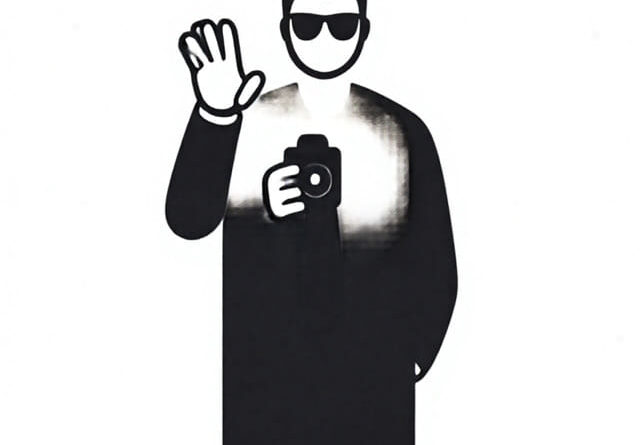
Guy Flipping Off Camera
In the age of social media and viral content, images and videos of a guy flipping off the camera have become both controversial and oddly iconic. Whether it appears in memes, music videos, protest footage, or candid photos, this particular gesture carries a layered meaning that depends heavily on context, tone, and cultural interpretation. While it might seem like a simple act of rebellion or disrespect, its deeper implications reflect attitudes of defiance, humor, nonconformity, or emotional expression. Understanding this image requires a look into gesture symbolism, modern media trends, and human behavior.
The Gesture and Its Cultural Meaning
The act of flipping off the camera typically refers to a person raising their middle finger in the direction of a lens. This hand sign, known globally as ‘the middle finger,’ has historically symbolized offense, insult, or anger. In many Western cultures, it is used to express strong disapproval or rebellion, but it can also serve as a joke or playful jab depending on the tone.
The guy flipping off the camera may be doing so for many reasons as a form of protest, frustration, mockery, or comedic effect. The meaning shifts significantly based on the subject’s facial expression, the setting, and the intended audience. In casual or humorous contexts, it may appear more mischievous than aggressive.
Rebellion and Anti-Establishment Expression
One of the most common interpretations of this image is rebellion. From punk rockers in the 1980s to underground rappers and street photographers today, the middle finger has long symbolized resistance to norms and authority. When a guy flips off the camera, especially in urban or subcultural imagery, he might be sending a message against systems of control political, social, or even artistic.
This form of nonverbal resistance communicates attitude without words. It’s raw, direct, and often captures attention faster than written protest. Especially in protest photography or music-related visuals, this gesture communicates a sense of not caring about societal expectations.
Humor and Satire in Visual Culture
Not every image of a guy flipping off the camera is fueled by anger or hostility. In many cases, it’s meant to be funny, ironic, or satirical. Internet memes, comedy skits, and personal photos often use the middle finger ironically exaggerating its meaning to poke fun at its overuse or perceived seriousness.
In these cases, the individual might be using the gesture to mock the very idea of being offensive, highlighting how desensitized audiences have become to such visual expressions. It can even serve as a parody of rebellion, poking fun at those who try too hard to appear edgy or aggressive.
Common Settings Where the Gesture Appears
- Music Videos: Especially in rap and rock genres, this image is associated with defiance, independence, and bold attitude.
- Street Photography: Capturing raw, candid emotions where subjects may react spontaneously to the presence of a camera.
- Protest Footage: A powerful visual tool to express opposition or dissatisfaction with political institutions.
- Social Media Posts: Used by influencers or average users to appear humorous, rebellious, or just to make a statement.
- Pop Culture Memes: Often used for comedic effect, sometimes disconnected from any real anger or meaning.
The Psychology Behind the Gesture
Why do people use such a direct and potentially offensive gesture? Psychology suggests that it serves as an emotional release or a way to assert dominance or autonomy. When directed at a camera, it can signal that the person does not care about judgment or rules. It becomes a tool of empowerment or control in a situation where one might otherwise feel vulnerable such as being photographed or scrutinized.
Flipping off the camera also provides anonymity. Unlike shouting or arguing, it can deliver a strong message silently, sometimes with a smirk or a smile that makes the intent ambiguous. This ambiguity makes the image more interesting and shareable, especially online.
Public Perception and Changing Norms
What once may have been seen as purely offensive is now more normalized in many circles. With the rise of internet culture, people are more exposed to casual forms of swearing, rudeness, and satire. As a result, images of someone flipping off the camera might not shock as much as they did in previous decades.
Still, cultural background and setting matter greatly. In some places or among certain audiences, this gesture remains deeply disrespectful and inappropriate. In more liberal or art-forward spaces, it may be celebrated as bold or even iconic.
Media Virality and the Power of Controversy
The reason this image frequently goes viral is because of its emotional immediacy. It’s confrontational yet relatable. It invites discussion is this person angry, joking, mocking, or being edgy for no reason? This uncertainty, combined with the intensity of the gesture, makes it an effective form of visual communication in the digital age.
Controversy, after all, drives engagement. When people react strongly to content, they share it. That’s why this simple yet loaded gesture often performs well on platforms like Twitter, Instagram, Reddit, and TikTok. It sparks opinion, debate, and sometimes imitation.
Artistic Interpretation and Self-Expression
Some artists and photographers intentionally include the guy flipping off the camera in their work as a commentary on society, control, or freedom of expression. This act, captured in a still frame, becomes a statement piece raw, unfiltered, and unapologetic. It can provoke thought or represent the frustrations of a generation or movement.
In self-portraits, the gesture may reflect confidence or indifference, serving as a shield from judgment. It’s a way of saying, This is me, and I don’t care what you think. In this sense, it empowers the subject rather than simply alienating the viewer.
More Than Just a Gesture
The image of a guy flipping off the camera is packed with nuance. It can be interpreted as rebellious, humorous, artistic, or even vulnerable. While it remains a controversial and polarizing act, it has also grown to symbolize something much broader in visual culture the freedom to express, challenge, or subvert expectations without the need for words.
Whether viewed as a sign of anger or humor, this visual has firmly secured its place in modern media. It reminds us how a single gesture, when captured at the right moment, can provoke thought, emotion, and conversation across cultural boundaries.