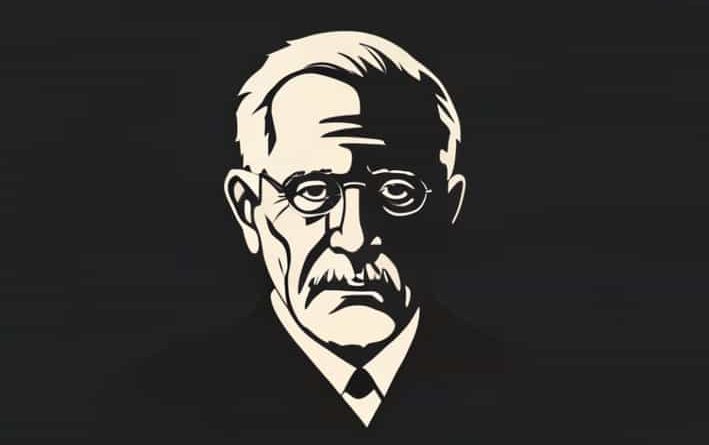
How Did Albert Schweitzer Die
Albert Schweitzer was a renowned theologian, musician, philosopher, and physician whose life and work left a profound impact on the world. Known for his humanitarian efforts and deep commitment to serving others, Schweitzer dedicated much of his life to the people of Africa, where he established a hospital in Lambaréné, Gabon. His legacy encompasses not only his medical contributions but also his writings on ethics, theology, and philosophy. Schweitzer’s life was marked by tireless work, intellectual achievement, and an unwavering dedication to improving the lives of those around him. Understanding the circumstances of his death provides insight into the final chapter of a life characterized by extraordinary commitment to humanity.
Early Life and Career
Albert Schweitzer was born on January 14, 1875, in Kaysersberg, Alsace, then part of Germany. From a young age, he showed remarkable talent in multiple disciplines, excelling in music, theology, and philosophy. He studied theology at the University of Strasbourg and became a respected theologian and organist, gaining international recognition for his scholarship on Johann Sebastian Bach. Schweitzer’s early career was marked by intellectual pursuits, but he felt a growing desire to combine his scholarly work with practical service to humanity.
Transition to Medicine and Humanitarian Work
In his thirties, Schweitzer made a dramatic career shift. He studied medicine at the University of Strasbourg, motivated by a desire to serve underserved communities. In 1913, he traveled to Lambaréné, Gabon, where he founded a hospital that would become the center of his humanitarian work. Schweitzer dedicated decades of his life to providing medical care in Africa, treating thousands of patients, combating tropical diseases, and training local medical staff. His philosophy of Reverence for Life guided his approach, emphasizing the moral responsibility to alleviate suffering whenever possible.
Later Years and Continuing Contributions
Even as Schweitzer aged, he remained active in both medical and intellectual pursuits. He published numerous works on theology, ethics, and philosophy, including his influential book The Quest of the Historical Jesus. He continued to perform as an organist, contributing to cultural life while maintaining his medical responsibilities in Gabon. Despite his fame and recognition, Schweitzer lived a relatively modest life, focusing on the needs of others rather than personal comfort. His later years were marked by international acclaim, including the awarding of the Nobel Peace Prize in 1952 for his philosophy of peace and humanitarian efforts.
Health and Final Years
By the late 1950s, Schweitzer was in his eighties and experiencing declining health. Years of strenuous work in challenging conditions had taken a toll on his body. Despite these challenges, he continued to oversee the hospital in Lambaréné, attend to patients, and write about ethics and humanitarian concerns. His resilience and dedication remained a defining aspect of his character, inspiring countless individuals around the world.
The Circumstances of Albert Schweitzer’s Death
Albert Schweitzer passed away on September 4, 1965, at the age of 90. He died in Lambaréné, Gabon, where he had spent the majority of his later life working tirelessly for the well-being of others. His death marked the end of a life devoted to service, scholarship, and moral philosophy. Schweitzer’s passing was due to natural causes associated with his advanced age, compounded by years of intense labor and exposure to the challenging tropical environment in which he worked. He remained at the hospital until the very end, symbolizing his lifelong commitment to the community he served.
Impact of His Death
The death of Albert Schweitzer was mourned worldwide, as he had become a symbol of selfless humanitarian service. His passing prompted reflections on his philosophy of Reverence for Life, which continues to influence ethical thought and humanitarian efforts. Tributes poured in from leaders, scholars, and organizations, acknowledging both his practical contributions to medicine and his profound ethical insights. Schweitzer’s work laid the foundation for modern approaches to global health and ethical responsibility, demonstrating that one individual’s dedication can have a far-reaching impact.
Legacy of Albert Schweitzer
Albert Schweitzer’s death did not diminish the influence of his life. The hospital in Lambaréné continues to operate, serving the local population and standing as a testament to his enduring vision. Schweitzer’s writings remain studied in the fields of theology, philosophy, and ethics, highlighting the importance of moral responsibility and the intrinsic value of life. His life story serves as an inspiration to those pursuing careers in medicine, humanitarian work, or social justice, showing that compassion, knowledge, and dedication can profoundly change the world.
Philosophy of Reverence for Life
One of Schweitzer’s most significant contributions is his philosophy of Reverence for Life, which emphasizes that all living beings have intrinsic value and deserve respect and care. This ethical framework guided his work in Lambaréné and continues to influence medical ethics, environmental thought, and human rights discussions. Schweitzer’s death highlighted the importance of living a life guided by principles that extend beyond personal gain, encouraging future generations to adopt similar approaches in their professional and personal lives.
Albert Schweitzer’s death on September 4, 1965, marked the conclusion of a remarkable life characterized by intellectual brilliance, humanitarian dedication, and ethical commitment. He passed away in the community he served for decades, leaving behind a hospital, a philosophy, and a global legacy of compassion. Schweitzer’s life and death continue to inspire people worldwide to pursue knowledge, serve others, and uphold the principle of Reverence for Life. Understanding how Albert Schweitzer died allows us to appreciate the extraordinary circumstances under which he lived and worked, and the enduring impact of his ethical and humanitarian contributions.