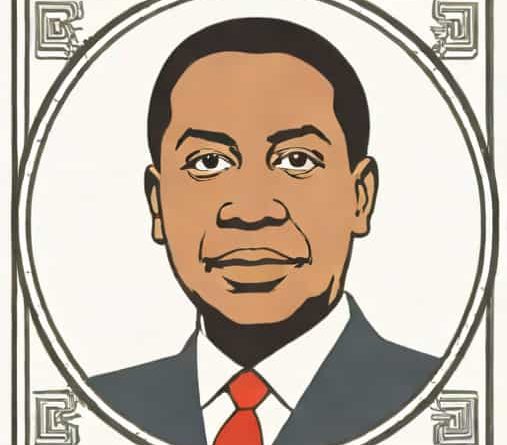
How Did Francois Duvalier Rise To Power
Understanding how François Duvalier rose to power in Haiti requires looking closely at politics, society, and identity in the mid-twentieth century. His political journey did not happen overnight. It developed through years of social influence, strategic alliances, and calculated messaging that appealed to ordinary citizens who felt excluded. By examining his background, his career, and the political climate of the time, it becomes easier to see how a rural doctor transformed into one of the most powerful and controversial leaders in Haitian history.
Early Life, Education, and Social Influence
The rise of François Duvalier began long before he entered politics. He trained as a physician and developed a strong reputation for serving rural and working-class communities. His medical work allowed him to build trust with people who often felt ignored by urban elites. This connection to everyday citizens later became a powerful political foundation.
Building Identity as Doctor of the People
During his early career, Duvalier focused on public health campaigns targeting diseases that affected impoverished regions. His presence in villages and small towns helped him gain respect among farmers, laborers, and families struggling with limited resources. This image of compassion and service created a personal brand that appeared humble, authentic, and relatable.
- He worked in underserved communities
- He earned a reputation for commitment to public health
- He cultivated loyalty among rural citizens
This foundation was essential to understanding how François Duvalier rose to power, because it later allowed him to present himself as a leader who represented the majority rather than the elite minority.
The Political Climate Before His Rise
Haiti in the years before Duvalier’s ascent was defined by instability, shifting governments, and deep social divisions. The political system favored wealthy elites and urban leadership, while large rural populations felt excluded from decision-making. Economic inequality and mistrust of traditional politicians created fertile ground for new voices.
Nationalism and Cultural Identity
Another key factor was the growing emphasis on Black identity and cultural nationalism. Intellectuals and activists promoted the idea that political leadership should reflect the majority population rather than elite circles. Duvalier aligned himself with these ideas, strengthening his connection to social movements that valued cultural pride and independence.
As political tensions increased, many Haitians began searching for leaders who understood their struggles and shared their identity. This climate gave Duvalier an opportunity to enter the political arena with strong symbolic appeal.
Transition from Physician to Political Figure
After gaining recognition through his medical and public-health work, Duvalier moved more directly into political life. He joined government programs and advisory roles where he worked alongside other influential figures. This period allowed him to study political structures, form alliances, and understand how power operated within the state.
Strategic Alliances and Positioning
Duvalier carefully navigated relationships with political leaders and military figures, strengthening his network while maintaining a reputation as a public servant. He avoided appearing radical or confrontational, instead presenting himself as calm, disciplined, and dependable.
- He positioned himself as a moderate leader
- He gained trust from government partners
- He continued reinforcing his public-health legacy
These strategic steps helped him blend social credibility with political experience, a combination that would later support his electoral campaign.
The Road to the Presidency
The question of how François Duvalier rose to power becomes particularly clear when examining the election process that thrust him into national leadership. A period of political unrest created a power vacuum, and Duvalier emerged as a strong candidate who promised stability, unity, and social change.
Campaign Messaging and Public Support
His campaign emphasized national identity, dignity, and protection of rural citizens. Many voters saw him as the first leader who truly represented their interests. His messaging appealed not only to emotion but also to frustration with previous governments.
During this period, he successfully framed himself as a defender of the people, someone capable of bringing balance between city and countryside. This messaging strategy strengthened his popularity and helped secure broad support across social classes.
Consolidating Authority After Election
Once in office, Duvalier moved quickly to strengthen and centralize his authority. His rise to power did not end with the election; instead, it transformed into a process of control and consolidation. Understanding this phase is essential to fully explaining how François Duvalier rose to power and maintained it.
Restructuring Political Institutions
He introduced policies and organizational changes that increased executive control over government institutions. Over time, power became concentrated in his hands, limiting the influence of political opponents and reducing the role of competing factions.
- He reshaped administrative structures
- He weakened potential rivals
- He promoted loyal supporters into key positions
These actions reinforced his leadership and signaled a shift from democratic leadership toward a more centralized system of authority.
Use of Symbolism, Identity, and Messaging
Another important element of Duvalier’s rise was his effective use of symbolism and cultural identity. He presented himself as a guardian of national heritage and a protector of the majority population. This symbolic approach strengthened emotional loyalty and helped him maintain influence even as his political power expanded.
Crafting a Persona of Leadership
By shaping his public image carefully, he positioned himself as a figure of strength, tradition, and resilience. This persona helped unify supporters and encouraged loyalty beyond strictly political motivations. His leadership became connected to identity and national pride, rather than simply policy or governance.
Public Perception and Legacy of His Rise
When examining how François Duvalier rose to power, it becomes clear that his ascent was shaped by social trust, political opportunity, and strategic image-building. Supporters viewed him as a representative of ordinary citizens, while critics later emphasized the authoritarian direction his leadership eventually took.
Long-Term Impact on Haitian Politics
His rise changed the structure of Haitian political life and influenced leadership patterns for decades. The combination of grassroots connection, cultural messaging, and power consolidation left a complex legacy that historians continue to study and debate.
Understanding this historical process offers insight into how leadership can emerge from social influence, national identity, and political transformation. The story of François Duvalier’s rise to power remains a significant chapter in Haitian history and an important lesson about the relationship between public trust, opportunity, and authority.