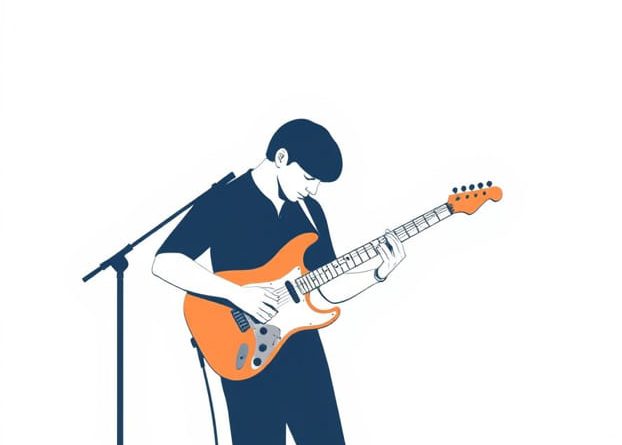
How To Be A Multi-Instrumentalist
Learning to play multiple instruments can be an incredibly rewarding journey. Becoming a multi-instrumentalist allows you to express yourself in different musical styles, collaborate with other musicians more effectively, and expand your understanding of music theory. Whether you dream of playing guitar, piano, drums, or even wind instruments, this skill opens creative opportunities and gives you the freedom to write, perform, and arrange music with versatility. The process takes time, dedication, and patience, but with the right approach, anyone can develop this ability.
Start with a Primary Instrument
The first step to becoming a multi-instrumentalist is to master at least one instrument well. Your primary instrument will serve as your foundation for understanding rhythm, melody, and harmony. Most musicians start with guitar, piano, or drums because they provide a strong base for learning other instruments later on. By becoming proficient with one instrument, you will develop skills like ear training, timing, and muscle memory that can transfer to others.
Building Strong Fundamentals
Spend time learning music theory, scales, and basic chord progressions on your first instrument. This knowledge will make learning new instruments much easier because the underlying principles remain the same. For example, if you understand major and minor scales on the piano, you will quickly recognize them on a guitar or saxophone.
Choose Your Next Instrument Wisely
Once you feel comfortable with your first instrument, decide which one to learn next. Pick something that complements what you already know. If you play guitar, learning bass can help you understand the rhythm section better. If you play piano, learning a melodic instrument like violin can deepen your appreciation for phrasing and dynamics.
- String instruments like guitar, bass, and violin improve finger dexterity and coordination.
- Keyboard instruments like piano help with harmony and music composition.
- Percussion instruments like drums teach rhythm, timing, and groove.
- Wind instruments like saxophone or trumpet develop breath control and tone.
Develop a Practice Schedule
Managing practice time is one of the biggest challenges of being a multi-instrumentalist. Create a schedule that allows you to maintain your skills on your first instrument while dedicating time to new ones. It is better to practice consistently for shorter sessions than to cram long hours once in a while.
Balancing Practice Time
A good approach is to divide your daily practice into segments. Spend 30 minutes on your main instrument to keep your skills sharp, then dedicate another 30 minutes to your secondary instrument. As you improve, you can add more instruments into your routine by rotating them on different days of the week.
Learn Songs, Not Just Exercises
Technical exercises are important, but playing real songs will help you stay motivated and apply what you learn. Choose simple songs that can be played on multiple instruments. For example, learning the same tune on guitar, piano, and drums will teach you how each instrument contributes to the overall arrangement.
Train Your Ear
Ear training is essential for multi-instrumentalists because it allows you to recognize notes, intervals, and chords by listening. This skill will help you pick up new instruments faster and even play by ear without relying on sheet music.
- Practice identifying intervals like major thirds, perfect fifths, and octaves.
- Listen to songs and try to play them without looking at tabs or notation.
- Sing along with scales and melodies to internalize pitch relationships.
Experiment with Different Genres
Exploring different styles of music is a great way to grow as a multi-instrumentalist. Rock, jazz, classical, and funk each have unique rhythms and harmonies that will challenge you to think differently about your instruments. This diversity not only makes you more versatile but also keeps your practice sessions exciting.
Record Yourself
Recording your practice sessions is a powerful tool for improvement. By listening back, you can catch mistakes, notice timing issues, and hear how each instrument fits together. Many multi-instrumentalists record themselves playing different parts of a song and layer them to create a full arrangement. This also helps you understand music production and arrangement techniques.
Play with Other Musicians
Collaboration is one of the best ways to accelerate your learning. Jamming with other musicians forces you to adapt quickly and apply your skills in real situations. It also allows you to switch instruments during practice sessions, giving you a fresh perspective on how each one contributes to the group’s sound.
Invest in Quality Instruments
While it is not necessary to buy the most expensive gear, having reliable instruments will make your learning experience smoother. Poorly made instruments can hold back your progress and frustrate you. Start with affordable but good-quality instruments and upgrade as your skills improve.
Be Patient and Consistent
Becoming a multi-instrumentalist is a long-term goal. Progress might feel slow at first, especially when switching between instruments with different techniques. Stay consistent and celebrate small milestones, like learning your first song on a new instrument or playing along with a recording.
Benefits of Being a Multi-Instrumentalist
Mastering multiple instruments has many advantages beyond just personal enjoyment. It can lead to more opportunities in music, whether performing live, teaching, or producing. You can write complete songs on your own, arrange music for bands, or even work as a session musician.
- Greater creative control when composing or recording music.
- Ability to fill in for missing musicians in a band setting.
- Improved understanding of musical theory and arrangement.
- More career options in the music industry.
Learning how to be a multi-instrumentalist takes time, discipline, and passion, but it is a rewarding journey. By mastering one instrument first, gradually adding others, and maintaining a consistent practice routine, you can build a diverse set of musical skills. The process will not only improve your musicianship but also expand your creative potential, making you a more versatile and confident artist.