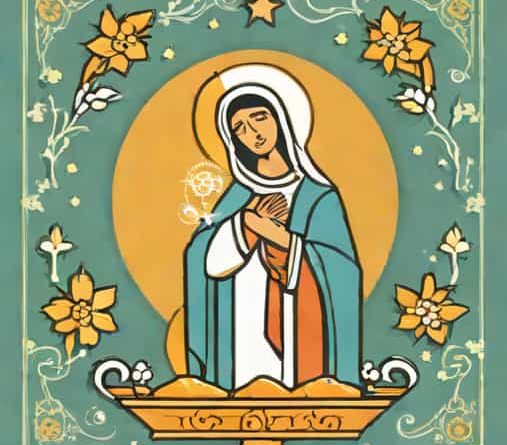
How To Celebrate The Solemnity Of Mary
The Solemnity of Mary, also known as the Solemnity of Mary, Mother of God, is a significant feast in the Catholic Church celebrated on January 1st each year. This solemnity honors Mary’s unique role as the Mother of Jesus Christ and her place in salvation history. Celebrating this day allows the faithful to reflect on Mary’s virtues, her obedience to God, and her example of faith. Observing the Solemnity of Mary can take many forms, including attending Mass, praying the rosary, engaging in family traditions, and participating in parish events. By understanding the meaning of this feast and incorporating thoughtful practices, believers can deepen their devotion and celebrate Mary’s profound impact on Christian life.
Understanding the Solemnity of Mary
The Solemnity of Mary, Mother of God, was established to recognize Mary’s role in the mystery of the Incarnation. By giving birth to Jesus Christ, she became intimately involved in God’s plan of salvation. This solemnity emphasizes Mary’s unique holiness, her cooperation with God’s will, and her example of faith, humility, and obedience. Celebrating this feast encourages Catholics to reflect on their own spiritual journey and seek Mary’s intercession.
Historical and Spiritual Significance
- Commemorates Mary’s role as the Mother of Jesus, highlighting her divine motherhood.
- Encourages devotion to Mary as a model of holiness and obedience to God.
- Promotes reflection on the mystery of the Incarnation and God’s plan for humanity.
- Serves as a reminder of the importance of family and prayer in the Christian life.
- Provides an opportunity for communal celebration and spiritual renewal in the parish.
Attending Mass and Participating in Liturgy
Attending Mass is central to celebrating the Solemnity of Mary. The liturgy includes special prayers, readings, and hymns that focus on Mary’s role as the Mother of God. Participating in the Eucharist allows the faithful to honor Mary and reflect on the life of Christ.
Ways to Participate in Mass
- Attend a solemn Mass at your parish or a nearby church.
- Reflect on the scripture readings that focus on Mary and the Incarnation.
- Sing hymns or chants dedicated to Mary, such as Hail Mary, Gentle Woman or Immaculate Mary.
- Engage in the communal prayers and intercessions for the Church, families, and the world.
- Receive the Eucharist with mindfulness of Mary’s role in bringing Christ into the world.
Praying the Rosary and Marian Devotions
Praying the rosary is a meaningful way to celebrate the Solemnity of Mary. The rosary invites the faithful to meditate on the life of Christ through Mary’s perspective, focusing on the Joyful, Sorrowful, Glorious, or Luminous Mysteries. Other Marian devotions, such as the Angelus or the Litany of Loreto, can also enhance spiritual reflection.
Practical Tips for Marian Prayer
- Set aside time to pray the full rosary individually or with family and friends.
- Reflect on Mary’s virtues, such as humility, faith, and obedience, during the prayer.
- Include intentions for loved ones, the Church, and the world in your prayers.
- Participate in parish-led rosary events or Marian prayer groups.
- Consider lighting a candle near a statue or image of Mary as a symbolic gesture of devotion.
Engaging in Family Traditions
The Solemnity of Mary can also be celebrated at home through meaningful family traditions. These practices strengthen faith, foster togetherness, and create lasting spiritual memories. Families can use this day to teach children about Mary’s significance and encourage their participation in Catholic life.
Ideas for Home Celebrations
- Set up a small Marian altar with a statue or image, flowers, and candles.
- Read Bible passages related to Mary, such as Luke 126-38 or Luke 216-20.
- Sing hymns or play recordings of Marian songs together as a family.
- Prepare a family meal and bless it, giving thanks for Mary’s guidance and protection.
- Engage children in crafts, such as coloring pages of Mary or creating prayer cards.
Participating in Parish and Community Events
Many parishes organize special events to honor the Solemnity of Mary. These can include processions, communal rosaries, lectures about Mary’s role in salvation, or charitable activities inspired by her example. Participating in these events fosters a sense of community and shared faith.
Ways to Get Involved
- Attend parish-organized Marian processions or prayer services.
- Volunteer for church activities that celebrate Mary, such as decorating the church or preparing for Mass.
- Join a parish study group to learn more about Mary’s life and significance.
- Engage in acts of charity in honor of Mary, such as helping those in need.
- Share the meaning of the solemnity with friends or neighbors to promote awareness and devotion.
Reflecting on Mary’s Example
Celebrating the Solemnity of Mary is not only about rituals and prayers but also about internalizing her virtues and applying them to daily life. Reflecting on Mary’s obedience, faith, and humility inspires personal growth and deeper spiritual connection.
Ways to Reflect on Mary’s Life
- Journal about what Mary’s example means to you and how it can guide your decisions.
- Practice humility, service, and obedience in your interactions with family, friends, and community.
- Spend quiet time in meditation, focusing on Mary’s acceptance of God’s will.
- Pray for the grace to emulate her virtues in daily life.
- Encourage others to reflect on Mary’s role in the Church and in personal faith journeys.
Celebrating the Solemnity of Mary, Mother of God, is a meaningful way to honor her unique role in salvation history and deepen one’s faith. By attending Mass, praying the rosary, engaging in family traditions, and participating in parish events, the faithful can experience spiritual renewal and grow in devotion to Mary. Reflecting on her virtues, sharing the celebration with others, and incorporating personal prayer and service further enhance the observance. Through these practices, the Solemnity of Mary becomes an opportunity to connect with God, emulate Mary’s example, and strengthen both personal and communal faith.