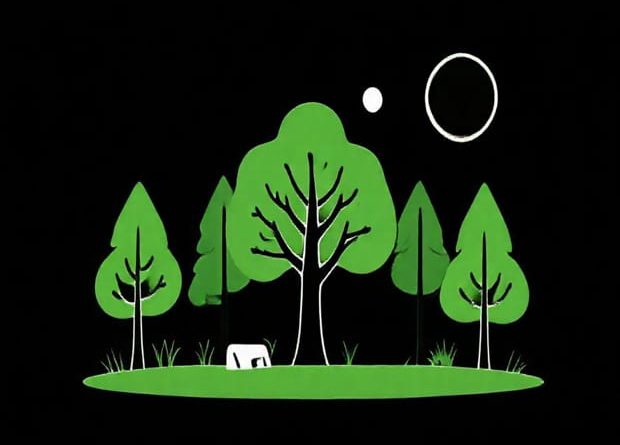
How To Draw An Afforestation
Drawing an afforestation scene can be a rewarding and educational experience for artists and nature enthusiasts alike. Afforestation, the process of planting trees in barren or deforested areas, provides a rich subject for artistic expression, allowing you to explore landscapes, textures, and the beauty of growing forests. Creating an artwork that captures the density, diversity, and natural flow of a forested area requires careful planning and observation. Understanding perspective, tree anatomy, and environmental details will help you produce a realistic and visually engaging depiction of afforestation.
Understanding Afforestation
Before starting your drawing, it is important to understand what afforestation entails. Unlike a natural forest, afforestation often involves organized tree planting in areas that previously had little to no tree cover. This means that trees might appear in rows or clusters and the landscape may include a mix of saplings and mature trees. Observing photos of afforestation projects or visiting a tree plantation can help you visualize the composition, density, and variety of trees in a newly forested area.
Materials Needed
Gathering the right materials makes the drawing process smoother and more enjoyable. You will need
- Pencils of varying hardness, such as HB for outlines and 2B or 4B for shading
- An eraser for corrections and highlights
- Sketching paper suitable for pencil or colored work
- Optional colored pencils, watercolors, or markers for adding color
- A ruler for establishing horizon lines and perspective
Using multiple pencil types allows for layering, shading, and creating texture, which are essential for representing the complexity of an afforested landscape.
Step-by-Step Guide to Drawing an Afforestation Scene
Step 1 Plan the Composition
Start by lightly sketching the basic layout of your afforestation scene. Decide on the perspective whether it is a view from above, at eye level, or looking across a tree plantation. Lightly draw the horizon line and indicate areas where trees will be planted. Planning the composition helps maintain balance and ensures that your drawing captures depth and scale effectively.
Step 2 Sketch the Trees
Begin with the basic shapes of the trees. Trees in afforestation projects vary in size, so start with simple ovals or circles for the tree canopies and vertical lines for the trunks. Place larger trees in the foreground and smaller trees in the background to create a sense of depth. Overlapping tree shapes adds realism and conveys the density of the forested area.
Step 3 Add Details to the Trunks and Branches
Once the basic shapes are in place, refine the trunks and branches. Use gentle, slightly irregular lines to depict natural growth patterns. For saplings, keep the trunks thinner and straighter, while mature trees can have thicker, textured trunks. Adding minor branches emerging from the main trunk helps create a more detailed and believable structure. Observe real trees for reference to capture natural variations.
Step 4 Draw the Leaves and Foliage
Leaves and foliage are key to giving life to your afforestation scene. Use clustered shapes to suggest leaf density, varying the sizes and angles to reflect different species of trees. For trees in the background, keep the details simpler and lighter, while foreground trees can have more intricate foliage. Layering leaves and branches creates a sense of depth and volume. Experiment with different strokes small dashes, dots, or curved lines to mimic the texture of leaves.
Step 5 Include Ground Details
The forest floor in an afforestation scene can include grass, soil, small plants, and saplings. Draw gentle undulations in the terrain to avoid flatness. Add small rocks, fallen leaves, or tiny shrubs to make the landscape more engaging. Including these details enhances realism and provides context for the trees, showing how they interact with the environment.
Adding Texture and Depth
Texture and depth are essential for creating a convincing afforestation drawing. Use shading to suggest light and shadow, emphasizing the three-dimensional form of trees and terrain. Darker shading can indicate areas under dense foliage or behind trees, while lighter areas represent sunlight hitting the leaves and ground. Layering pencil strokes and varying pressure can simulate different textures, from rough bark to soft grass. Creating depth also involves perspective techniques, such as reducing the size and intensity of trees as they recede into the background.
- Foreground trees detailed textures and darker tones
- Background trees lighter shading and simpler shapes
- Ground combination of shading, small lines, and patterns for soil and grass
Incorporating Additional Elements
To make your afforestation scene more dynamic, you can include additional natural elements. Birds, insects, or small animals can add life to the scene. Water sources such as streams or ponds, if present, can reflect the surrounding trees, enhancing realism. Clouds, sky, and sunlight filtering through the canopy can further create atmosphere and mood. Adding these elements thoughtfully ensures that your drawing communicates the ecological richness of afforestation.
Coloring the Afforestation Scene
While a pencil sketch can be effective, adding color can enhance the visual impact. Use various shades of green for foliage, browns for trunks and soil, and hints of yellow or orange for sunlight. Gradual blending and layering help achieve a natural look. Coloring can highlight different tree species and create contrast between foreground and background, emphasizing depth. Watercolors or colored pencils are ideal for soft transitions, while markers can provide bold and vibrant effects.
Tips for Realistic Afforestation Drawings
Creating a realistic afforestation scene requires patience and careful observation. Some helpful tips include
- Study real afforestation areas or reference images to understand tree placement and density
- Start with light sketches and gradually build details
- Use overlapping shapes to create a sense of depth and realism
- Vary tree size and foliage density to avoid uniformity
- Pay attention to perspective, shading, and lighting for a three-dimensional effect
Practice and Patience
Drawing an afforestation scene may seem complex, but regular practice and observation improve skill over time. Begin with smaller sketches and gradually tackle larger, more detailed compositions. Experiment with different tree types, terrains, and lighting conditions. Each attempt helps refine your understanding of perspective, texture, and natural patterns. Patience and dedication allow your drawings to evolve from simple outlines to rich, immersive forest landscapes.
Learning how to draw an afforestation scene involves planning the composition, sketching the trees, refining trunks and branches, adding foliage, and incorporating ground details. Texture, shading, and optional color enhance realism, while attention to perspective and layering conveys depth. By following a step-by-step approach and practicing regularly, anyone can create an afforestation drawing that captures the beauty and complexity of newly planted forests. Drawing afforestation not only develops artistic skills but also fosters an appreciation for nature and environmental conservation, making the process both creative and meaningful.