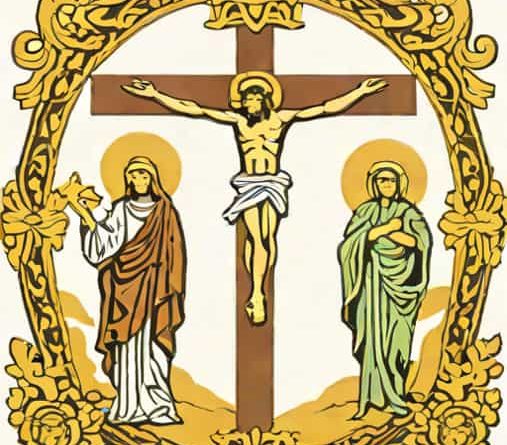
Images Of Exaltation Of The Holy Cross
The Exaltation of the Holy Cross is a significant Christian feast that commemorates the discovery of the True Cross by Saint Helena and celebrates the triumph of Christ’s crucifixion over sin and death. Throughout history, artists have created images and artworks that depict this event, capturing the spiritual, emotional, and theological significance of the Cross. These images serve as powerful reminders of faith, sacrifice, and redemption, inspiring devotion and contemplation among believers. Understanding the imagery associated with the Exaltation of the Holy Cross allows us to appreciate the rich symbolism and artistic interpretation that have developed over centuries.
Historical Background of the Exaltation of the Holy Cross
The Exaltation of the Holy Cross is celebrated on September 14 in many Christian traditions. This feast has its roots in the 4th century when Saint Helena, the mother of Emperor Constantine, is said to have discovered the True Cross in Jerusalem. The event was marked by placing the Cross in a prominent church, and the feast commemorates both the discovery and the dedication of the Church of the Holy Sepulchre. Artists over the centuries have depicted the moment of elevation, the triumphal display of the Cross, and its veneration by the faithful, creating a visual narrative that communicates its sacred importance.
Artistic Depictions of the Cross
Images of the Exaltation of the Holy Cross often focus on the moment the Cross is lifted and displayed to the faithful. In many paintings and mosaics, the Cross is elevated on a platform or held aloft by figures of clergy and saints. Surrounding the Cross, worshippers, angels, and sometimes the Virgin Mary and Saint John are depicted in gestures of reverence. These images emphasize the spiritual power of the Cross and its central role in Christian salvation. The use of light, color, and composition in these artworks highlights the triumph and glory associated with Christ’s sacrifice.
Symbolism in Images of the Exaltation
The images of the Exaltation of the Holy Cross are rich in symbolism. The Cross itself represents salvation, victory over sin, and eternal life. Often, it is adorned with a halo or radiant light to indicate its divine nature. Surrounding elements, such as angels, symbolize heavenly approval, while figures of saints and worshippers represent the devotion and faith of humanity. In some artworks, the Cross is shown with inscriptions or relics, emphasizing the historical and sacred context of the feast.
Common Themes in Artistic Representations
- Triumph over SinThe elevation of the Cross signifies Christ’s victory over sin and death.
- VenerationWorshippers are often shown kneeling or bowing, highlighting the reverence due to the Cross.
- Heavenly PresenceAngels and divine light underscore the sacred nature of the event.
- Historical ContextThe discovery by Saint Helena and the dedication of the Church of the Holy Sepulchre are frequently depicted.
- Unity of FaithDiverse figures, including clergy and laypeople, symbolize the collective veneration across the Christian community.
Famous Examples in Art History
Over centuries, numerous artists have depicted the Exaltation of the Holy Cross, each bringing unique styles and interpretations. Byzantine icons often portray the Cross with a gold background, emphasizing its heavenly significance. Renaissance artists, such as Raphael, included realistic human expressions and dramatic compositions to evoke emotional engagement. Baroque paintings might use strong contrasts of light and shadow to highlight the centrality of the Cross and create a sense of awe. Each artistic period brings new techniques and perspectives while maintaining the symbolic essence of the feast.
Byzantine and Eastern Orthodox Icons
In Eastern Orthodox tradition, icons of the Exaltation of the Holy Cross are highly stylized. The Cross is often depicted in the center, with Saint Helena and Emperor Constantine shown in adoration. Angels may be positioned above, and the faithful below, creating a vertical hierarchy that emphasizes divine authority. The use of gold leaf and vivid colors enhances the spiritual impact, making the image both a visual and devotional tool.
Renaissance and Baroque Interpretations
During the Renaissance, artists focused on realism and human emotion. Paintings might depict the moment the Cross is lifted with dramatic gestures, expressive faces, and detailed surroundings. In the Baroque era, artists emphasized movement, contrast, and theatricality, creating dynamic images where the Cross radiates light and energy. These depictions invite viewers to feel the spiritual significance and emotional weight of the event, bridging the historical narrative with personal devotion.
Devotional and Liturgical Use of Images
Images of the Exaltation of the Holy Cross are not only artistic expressions but also tools for devotion and worship. They are used in churches, processions, and feast day celebrations to remind the faithful of Christ’s sacrifice and the power of the Cross. Such images help believers focus on prayer, reflection, and veneration, reinforcing the spiritual and communal aspects of the feast. Many icons and paintings are also used in personal devotion, allowing individuals to meditate on the significance of the Cross in their own lives.
Impact on Faith and Spiritual Life
The visual representation of the Exaltation of the Holy Cross enhances the believer’s connection to the sacred story. By seeing the Cross elevated, surrounded by reverent figures and divine symbols, worshippers are reminded of the triumph of Christ’s sacrifice, the hope of salvation, and the call to live in faith. These images serve as spiritual anchors, inspiring devotion, reflection, and moral guidance.
Images of the Exaltation of the Holy Cross carry deep theological, historical, and artistic significance. From Byzantine icons to Renaissance and Baroque masterpieces, these depictions celebrate the discovery of the True Cross and Christ’s victory over sin. They employ rich symbolism, dramatic compositions, and devotional intent to engage the viewer’s mind, heart, and spirit. Whether used in liturgical settings, private devotion, or art appreciation, the images of the Exaltation of the Holy Cross continue to inspire reverence, reflection, and faith across generations, serving as enduring reminders of the central place of the Cross in Christian belief.