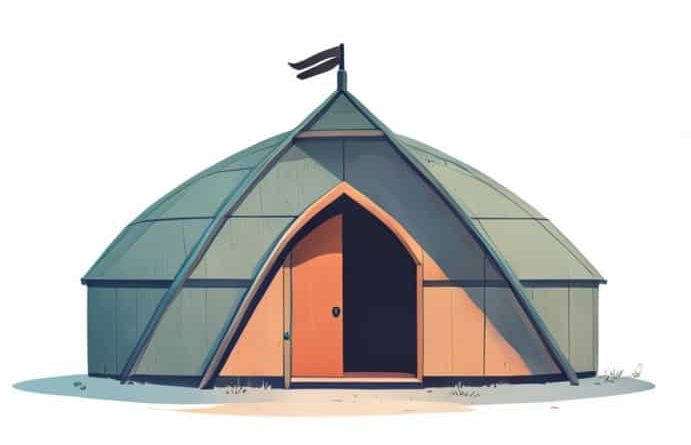
Inside A Quonset Hut
Inside a Quonset hut, one experiences a unique blend of practicality and history, as these semi-cylindrical steel structures have been used for decades in military, industrial, and civilian applications. Originally designed during World War II for quick assembly and versatile use, Quonset huts are characterized by their distinctive curved shape, corrugated steel construction, and spacious interiors. Walking inside a Quonset hut, you are immediately struck by the wide open space, which can be adapted for storage, living quarters, workshops, or community spaces. The simplicity of the design allows for efficient use of space, while the durability of the materials ensures longevity. From the exposed steel ribs to the practical floor layouts, the interior of a Quonset hut reflects a blend of utilitarian design and adaptive potential.
Structural Layout and Design Features
The interior of a Quonset hut is defined by its semi-circular shape and ribbed steel framework. The curvature of the roof extends from the ground to the apex, creating a wide, unobstructed open floor plan. This allows for versatile arrangements, whether the space is being used for storage, industrial work, or even living quarters. The steel ribs, often visible from the inside, not only support the structure but also contribute to its distinctive aesthetic. The corrugated steel walls provide both strength and insulation potential, making Quonset huts suitable for a range of climates. Interior lighting and ventilation are typically minimal but can be adapted according to usage, adding to the customizable nature of these structures.
Key Interior Features
- Exposed steel ribs and arches supporting the semi-cylindrical structure
- Corrugated steel walls offering durability and some insulation
- Wide open floor space for flexible layout and multiple uses
- Minimal partitions to maximize usable interior space
- Simple doors and windows allowing natural light and ventilation
Uses and Functional Spaces Inside a Quonset Hut
The interior of a Quonset hut can be adapted for a variety of functions. Historically, they were used for barracks, storage facilities, and workshops during wartime. Today, they serve a multitude of purposes including garages, offices, event spaces, and even homes. The open floor plan makes it easy to configure the interior for different needs, while the robust steel construction ensures that heavy equipment, furniture, or other items can be accommodated without compromising structural integrity. The flexibility of the interior allows for the installation of shelving, partitions, and even lofts for additional storage or living space.
Common Interior Configurations
- Military and historical setups with bunks and storage areas
- Industrial layouts with machinery, workstations, and tool racks
- Residential adaptations with partitioned rooms, kitchens, and living spaces
- Community or event setups with open seating and stages
- Garages and storage areas with shelving and equipment organization
Lighting and Ventilation Considerations
Lighting and ventilation inside a Quonset hut are important for comfort and functionality. Traditionally, Quonset huts had minimal openings, relying on small windows and doors for natural light. Modern adaptations often incorporate skylights, larger windows, and artificial lighting to create a more inviting interior. Ventilation can be enhanced with vents at the ends of the hut or through the installation of HVAC systems. Proper lighting and airflow are essential when using the hut for living spaces or workplaces, ensuring that the interior remains comfortable and practical regardless of weather conditions outside.
Tips for Interior Comfort
- Install skylights or larger windows to maximize natural light
- Use vents or HVAC systems to maintain proper airflow
- Incorporate insulation to control temperature and reduce condensation
- Choose lighting that complements the open, curved interior space
- Consider portable or modular partitions for flexibility
Decor and Aesthetic Inside a Quonset Hut
While the interior of a Quonset hut is inherently utilitarian, many modern adaptations focus on aesthetic appeal as well as functionality. Exposed steel beams can be left bare for an industrial look or painted to match a desired color scheme. Flooring can range from simple concrete to hardwood or tile depending on usage. The curved walls offer unique opportunities for creative interior design, including curved shelving, artistic displays, and innovative furniture arrangements. Whether for industrial, residential, or commercial purposes, the interior can be customized to balance practical needs with visual appeal.
Decorative Possibilities
- Industrial style with exposed steel and minimal furnishings
- Residential adaptation with painted walls, rugs, and furniture
- Commercial or event spaces with creative layouts and installations
- Use of modular furniture to adapt to the curved interior shape
- Accent lighting and wall treatments to enhance the visual appeal
Maintenance and Longevity
Inside a Quonset hut, maintenance is relatively straightforward due to the simple materials and construction. Steel walls and arches require occasional inspection for rust or corrosion, especially in humid or coastal environments. Floors should be maintained according to the usage, whether concrete, wood, or other materials. Regular cleaning and minor repairs keep the interior functional and visually appealing. The durable construction and low-maintenance requirements are part of why Quonset huts remain a popular choice for both temporary and permanent structures, offering long-lasting versatility and practicality.
Maintenance Tips
- Inspect steel ribs and walls periodically for corrosion or damage
- Maintain flooring based on its material and level of use
- Ensure windows and doors remain sealed and functional
- Clean regularly to prevent dust accumulation and maintain hygiene
- Consider repainting steel surfaces to prevent rust and improve appearance
Inside a Quonset hut, the combination of open floor space, durable construction, and flexible design creates a practical and versatile environment. From historical military use to modern residential and commercial applications, the interior can be adapted to meet a wide range of needs. The exposed steel arches, corrugated walls, and simple layout provide both structural strength and opportunities for creative customization. Lighting, ventilation, and decor can be modified to enhance comfort and aesthetics, making the interior of a Quonset hut not only functional but also visually appealing. Whether used as a workshop, living space, or community area, a Quonset hut offers unique possibilities that combine efficiency, durability, and adaptability.