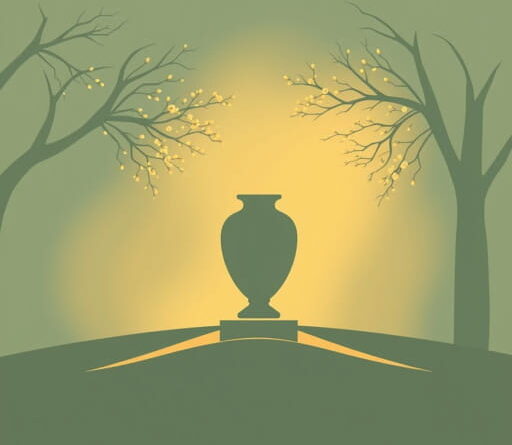
Interring Ashes In A Cemetery
Interring ashes in a cemetery is a deeply personal and often emotional process that allows families and loved ones to honor someone’s memory in a dignified and lasting way. For many, the choice to bury cremated remains brings a sense of closure and creates a permanent place to visit, reflect, and pay tribute. Cemeteries offer structured and sacred environments for remembrance, with various options tailored to personal, religious, or cultural preferences. As cremation becomes more common worldwide, interring ashes has evolved to include traditional burials, niche spaces, memorial gardens, and more, each offering unique ways to commemorate a loved one’s life.
Understanding the Interment of Ashes
What Does It Mean to Inter Ashes?
To inter ashes means to bury or place cremated remains in a final resting place, typically within a cemetery or a designated memorial space. The process involves choosing a suitable container (urn), selecting a plot or niche, and conducting a ceremony if desired. Interment differs from scattering in that it creates a fixed location for remembrance.
Why Choose to Inter Ashes?
There are several reasons families opt for interring ashes rather than scattering them:
- Provides a permanent site for loved ones to visit
- Aligns with religious or cultural traditions
- Allows family members to be interred together
- Offers peace of mind knowing the ashes are respectfully handled
Options for Interring Ashes in a Cemetery
Burial in a Traditional Cemetery Plot
One common method is burying the urn in a standard cemetery plot. Some families choose to place the ashes in a family grave, while others purchase a new plot specifically for cremated remains. Often, a headstone or marker is installed to identify the location and honor the deceased.
Placement in a Columbarium
A columbarium is a structure with small compartments called niches, each designed to hold an urn. These buildings can be found within cemeteries or near chapels. The niche may feature a plaque or engraved front panel displaying the name, birth and death dates, and a short message.
Scattering Gardens with Memorials
Some cemeteries offer scattering gardens where ashes can be spread in a designated area. While not technically interred, these gardens often include the option to place a memorial plaque or name marker nearby, preserving a sense of permanence for future generations.
Urn Burial in Cremation Gardens
Cremation gardens are beautifully landscaped sections of cemeteries specifically designed for the burial of ashes. These areas may include walking paths, seating areas, and flowerbeds. Families can purchase small plots for urn burial, sometimes alongside decorative memorial stones or benches.
The Process of Interring Ashes
1. Choosing a Final Resting Place
The first step involves selecting where the ashes will be interred. This could be a traditional grave, a cremation garden, a niche in a columbarium, or a family plot. Considerations often include location, cost, religious views, and how accessible it will be for future visits.
2. Selecting an Urn
The urn should be appropriate for burial, meaning it must be durable and cemetery-approved. Some cemeteries require the urn to be placed inside an urn vault a protective container that helps prevent ground shifting and preserves the urn’s integrity over time.
3. Arranging the Ceremony
Many families choose to hold a short interment service. This may involve religious readings, eulogies, prayers, or moments of silence. The service offers loved ones a chance to gather, reflect, and say goodbye in a peaceful, meaningful setting.
4. Placement and Commemoration
Once the urn is placed in the ground or niche, the area is usually sealed and marked with a nameplate, stone, or plaque. Families often personalize the memorial with inscriptions, flowers, or small decorative elements that reflect the deceased’s personality or beliefs.
Religious and Cultural Considerations
Christian Practices
In many Christian traditions, cremation and the interment of ashes are accepted. Some prefer burial in consecrated ground, with a religious ceremony led by a priest or minister. A marker or headstone typically includes a cross or faith-based inscription.
Jewish and Muslim Views
Traditional Jewish and Islamic customs usually discourage cremation. However, some modern branches may be more accepting, and where cremation is permitted, interment in a cemetery with appropriate rites is essential.
Buddhist and Hindu Traditions
In Hinduism, ashes are often scattered in rivers, especially the Ganges, though interring is sometimes chosen when living abroad. Buddhism varies by region, with some sects favoring urn burial in peaceful gardens or temple areas to honor the deceased’s spirit.
Legal and Practical Aspects
Cemetery Regulations
Every cemetery has its own policies regarding cremated remains. These may include rules about urn materials, memorial designs, or ceremonies. It’s important to check with the cemetery office in advance to ensure compliance with their guidelines.
Costs Involved
The cost of interring ashes varies depending on the method and location. Key expenses may include:
- Plot or niche purchase
- Opening and closing the grave or niche
- Urn or urn vault
- Memorial marker or plaque
- Ceremony and officiant fees
While often less expensive than full-body burial, interment of ashes still requires thoughtful budgeting and planning.
Documentation and Permits
In many regions, you may need to provide a death certificate and cremation certificate before interment. The cemetery typically handles necessary paperwork, but it’s wise to double-check documentation requirements in advance.
Emotional and Symbolic Significance
A Place to Remember
Interring ashes in a cemetery creates a physical space where loved ones can return, reflect, and connect. The gravesite or niche becomes a focal point for anniversaries, birthdays, holidays, and moments of grief or remembrance.
Legacy and Family Connection
Having a marked resting place helps future generations honor family history and preserve connections with ancestors. This continuity is deeply meaningful, especially when interment takes place in a family plot or shared cemetery section.
Personalizing the Memorial
There are countless ways to personalize a cremation interment site, making it a unique tribute. Ideas include:
- Engraving favorite quotes, poems, or religious verses
- Planting flowers or small trees nearby
- Adding photos, ceramic portraits, or etched designs on headstones
- Choosing urns shaped like hearts, books, or meaningful symbols
These touches ensure that the resting place tells a story about the person’s life, values, and character.
Interring ashes in a cemetery is a respectful, lasting way to honor a loved one’s memory. It creates a sacred space where family and friends can gather, reflect, and find peace. Whether in a traditional grave, a columbarium, or a cremation garden, the decision to inter cremated remains offers both emotional and cultural significance. With thoughtful planning and personal touches, the final resting place becomes a meaningful legacy one that celebrates life, love, and remembrance in a beautiful and enduring way.