Is It Metacarpal Or Metacarpus
Understanding human anatomy often involves learning precise terms that describe bones, muscles, and other body structures. Among these terms, metacarpal and metacarpus are commonly discussed in anatomy, medicine, and physiology. While they may sound similar, these words have distinct meanings and applications. Knowing the difference between them is essential for students, healthcare professionals, and anyone interested in anatomy. This distinction becomes particularly important in medical documentation, surgical procedures, and educational contexts where accuracy is key.
Defining the Metacarpus
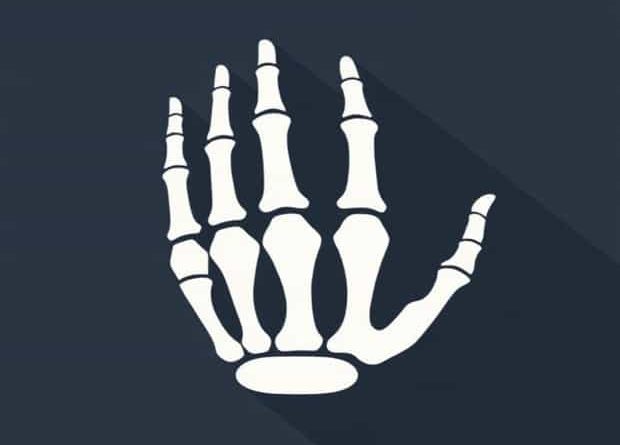
The term metacarpus refers to the group of five bones located in the human hand, situated between the wrist bones (carpals) and the finger bones (phalanges). These bones form the skeletal framework of the palm, supporting both movement and structural integrity. Each metacarpal bone connects proximally with the carpal bones and distally with the phalanges. Collectively, the metacarpus allows for the dexterity and flexibility necessary for gripping, holding, and manipulating objects.
Anatomical Structure of the Metacarpus
- The metacarpus consists of five bones numbered one through five, starting with the thumb (first metacarpal) and ending with the little finger (fifth metacarpal).
- Each bone has a base (proximal end), a shaft (body), and a head (distal end) that articulates with the corresponding phalanx.
- The arrangement of the metacarpus facilitates the arches of the hand, which are crucial for grip strength and precision.
- Ligaments and tendons attached to the metacarpus stabilize the bones while allowing for a range of movements.
Understanding the metacarpus as a collective term is vital when discussing conditions, injuries, or surgeries that involve multiple bones of the palm.
Defining the Metacarpal
While metacarpus refers to the group of bones in the hand, metacarpal describes an individual bone within that group. For example, the first metacarpal is associated with the thumb, and the third metacarpal is associated with the middle finger. Using the correct terminology helps specify which bone is affected in medical reports, X-rays, or surgical procedures.
Characteristics of Individual Metacarpals
- Each metacarpal has a similar structure, with a base, shaft, and head, but differs slightly in length and orientation based on its position in the hand.
- The first metacarpal (thumb) is shorter and more mobile, allowing for opposition, which is the thumb’s ability to touch other fingers.
- The second and third metacarpals are more rigid, providing stability for the hand during gripping actions.
- The fourth and fifth metacarpals are slightly curved, enabling a wider range of motion for the ring and little fingers.
In clinical practice, specifying the metacarpal involved in a fracture or injury is crucial for appropriate treatment. For instance, a fracture of the fifth metacarpal, often called a boxer’s fracture, requires different care than a fracture of the second metacarpal.
Common Confusions Between Metacarpus and Metacarpal
Many people confuse metacarpus and metacarpal because they sound similar and relate to the same anatomical region. The key distinction is that metacarpus refers to the collective group of five bones in the palm, while metacarpal refers to an individual bone within that group. Misusing these terms can lead to misunderstandings in medical documentation, anatomy classes, or research papers. Accurate usage ensures clarity when describing hand structure, injuries, or surgical procedures.
Examples of Correct Usage
- The metacarpus is essential for maintaining the arches of the hand.
- The third metacarpal shows signs of a hairline fracture.
- Injuries to the metacarpus may affect multiple fingers due to the interconnected bones.
- Surgical repair of a metacarpal fracture requires careful alignment to preserve hand function.li>
Incorrect Usage Examples
- The metacarpal is essential for the palm (incorrect, should be metacarpus).
- Fracture of the metacarpus finger (incorrect, should specify metacarpal).
Using these terms correctly enhances communication between healthcare providers and ensures that patients receive accurate diagnoses and treatment plans.
Medical Importance of Distinguishing Metacarpus and Metacarpal
In orthopedics, surgery, and physical therapy, distinguishing between the metacarpus and metacarpal is vital. Injuries to the hand are common, whether from sports, accidents, or repetitive stress. Identifying the precise bone affected determines the type of intervention needed, whether it is casting, surgical fixation, or rehabilitation.
- Fractures A fracture of the fifth metacarpal requires different stabilization techniques than fractures of other metacarpals.
- Arthritis Arthritis affecting the metacarpus may involve multiple joints, while localized pain in a single metacarpal could indicate a stress injury.
- Surgical Planning Surgeons need to know whether they are repairing the metacarpus (multiple bones) or a single metacarpal to plan the procedure accurately.
- Rehabilitation Physical therapists use the distinction to target specific bones and joints during recovery exercises.
Educational Perspective
For students of anatomy, physiology, and medicine, understanding these terms is part of foundational knowledge. Textbooks, lectures, and dissections often emphasize the distinction to prevent confusion. Using precise terminology aids in examinations, practical assessments, and future professional communication.
Learning Tips
- Remember that metacarpus is the group; metacarpal is one bone.
- Visual aids, such as diagrams and 3D models of the hand, help illustrate the position and relation of each metacarpal within the metacarpus.
- Practice labeling exercises to reinforce correct usage of terms in anatomical contexts.
- Consult reputable anatomy references for examples of common injuries or conditions affecting the metacarpus and metacarpals.
the terms metacarpus and metacarpal are closely related but distinctly different. The metacarpus refers to the collective set of five bones forming the palm, while a metacarpal is a single bone within that set. Correctly distinguishing between them is essential for medical practice, education, and accurate communication. Misusing these terms can lead to confusion in medical records, treatment plans, and anatomy discussions.
By understanding the anatomical structure, function, and common usage of these terms, students and professionals can enhance clarity and precision in their work. Remembering that metacarpus is the group and metacarpal is an individual bone simplifies learning and prevents common errors. Accurate terminology supports effective healthcare, proper diagnosis, and successful rehabilitation, highlighting the importance of precision in the study and practice of human anatomy.